Water Damage In Apartments: Who Is Responsible?
Trusted by 155+ Homeowners
Water damage in apartments can be a confusing issue regarding responsibility. Generally, tenants are responsible for damage caused by their negligence or misuse. Landlords are typically responsible for damage stemming from building maintenance, structural issues, or appliance failures they should have addressed.
Determining who pays for water damage in an apartment involves looking at the cause and the lease agreement. Understanding these factors helps resolve the situation fairly and efficiently.
TL;DR:
- Tenant responsibility usually arises from their actions or negligence.
- Landlord responsibility often stems from property maintenance and structural issues.
- Lease agreements are key documents outlining responsibilities.
- Prompt reporting of leaks is vital for both parties.
- Professional restoration is often needed for thorough drying and repair.
Water Damage in Apartments: Who Is Responsible?
When water invades your apartment, it’s more than just an inconvenience. It can lead to costly repairs and potential health hazards. Figuring out who foot the bill is often the first big question. The answer usually depends on where the water came from and your lease terms. We found that a clear understanding can prevent disputes.
Understanding Tenant vs. Landlord Responsibility
As a tenant, you are generally responsible for damage you cause directly. This could be from overflowing a bathtub or a blocked toilet due to improper use. If you accidentally damage a pipe or appliance, that responsibility likely falls on you. It’s about preventing avoidable damage through common sense and care.
Landlords, on the other hand, are responsible for the overall upkeep and structural integrity of the building. This includes maintaining the plumbing system, roof, and common areas. If a leak originates from a faulty pipe within the walls or a failing roof, it’s often the landlord’s duty to fix it. They must ensure the property is safe and habitable.
When a Tenant’s Actions Cause Damage
Let’s say you leave a faucet running, and it causes a flood. Or perhaps you tried to fix a leaky pipe yourself and made it worse. In these scenarios, you’ve directly caused the water damage. Your renter’s insurance would typically cover the costs. You might also be liable for damage to other units or common areas. This highlights the importance of reporting issues immediately.
Another common tenant-caused issue is related to appliance misuse. For instance, not cleaning a washing machine hose could lead to a burst. These are situations where tenant negligence is a primary factor. Many experts agree that careful use of property is key.
When a Landlord’s Neglect Causes Damage
Conversely, imagine a pipe bursts behind a wall because it was old and corroded. The landlord is responsible for maintaining the building’s infrastructure. They should have had a regular inspection schedule. This is a classic example of building system failure being the landlord’s problem.
Similarly, if a storm causes a roof leak that damages your apartment, the landlord is typically responsible. They must maintain the roof to prevent such issues. Ignoring maintenance can lead to significant water intrusion. We found that many such cases involve deferred maintenance.
The Role of Your Lease Agreement
Your lease is the most important document here. It will often detail specific responsibilities for both tenants and landlords regarding repairs and damages. Some leases might have clauses about reporting leaks promptly. Others may outline who pays for what in different scenarios. It’s wise to read your lease carefully before any issues arise.
If your lease states the landlord is responsible for all structural repairs and appliance maintenance, that clarifies many situations. However, it can’t override basic legal responsibilities. Always refer to your lease and local housing laws. Understanding your contract is crucial for avoiding disputes.
Common Causes of Water Damage in Apartments
Water damage can come from many sources, both obvious and hidden. Understanding these can help you identify the cause and who might be responsible. We found that some causes are more surprising than others.
Appliance Malfunctions and Leaks
Washing machines, dishwashers, and refrigerators with ice makers are common culprits. A hose can split, a seal can fail, or an internal component can break. If the appliance is old or poorly maintained, the landlord is usually on the hook. If it’s a newer appliance that failed unexpectedly, it might still be a landlord responsibility.
Leaky toilets and sinks are another frequent issue. If the leak is from a worn-out seal or fixture, it’s often a landlord’s maintenance duty. However, if you’ve tried to fix it yourself and caused more damage, that changes things. It’s always best to report leaks to management.
Plumbing Failures and Pipe Leaks
Hidden plumbing leaks are a major concern in apartment buildings. Pipes within walls or under floors can corrode, freeze, or burst. These issues are almost always the landlord’s responsibility. They are responsible for the building’s plumbing infrastructure. You can learn more about pipe leak causes and how they happen.
These types of failures can cause extensive damage before they are even noticed. The resulting water damage can be severe. This is why it’s important to be aware of any unusual sounds or smells. These could be early signs of plumbing failures.
Roof and Exterior Water Intrusion
A leaking roof is a serious issue that landlords must address promptly. Damaged shingles, faulty flashing, or clogged gutters can all lead to water seeping into the top floors. This is a direct roof leak connection. The damage can spread quickly through ceilings and walls.
Even issues with exterior walls, windows, or doors can allow water to enter. If these are not properly sealed or maintained, water damage can occur. This falls under the landlord’s duty to maintain the building’s envelope. The roof water damage is often extensive.
Other Causes of Water Damage
Sometimes, water damage can stem from external factors like heavy rain or flooding. If the building’s drainage system is inadequate, this is a landlord issue. Acts of God are complex, but landlords must maintain the property to withstand normal environmental conditions. You can read more about this and other surprising causes.
Sprinkler system failures, either from malfunction or accidental activation, also cause significant water damage. These systems are part of the building’s infrastructure. Their upkeep is typically the landlord’s responsibility. We found that these can be very sudden and widespread.
What to Do When Water Damage Occurs in Your Apartment
Discovering water damage can be alarming. Your first step is to act quickly. The longer water sits, the more damage it causes. It also increases the mold growth risk.
Immediate Steps for Tenants
- Notify Management Immediately: Report the leak or flood to your landlord or property manager as soon as possible. Document your report in writing.
- Safety First: If there’s standing water, avoid touching electrical outlets or appliances. If you suspect an electrical hazard, shut off the power if it’s safe to do so.
- Mitigate Further Damage (if possible): If it’s a minor leak you can safely control (like a sink overflow), try to stop it. Move furniture and belongings away from the wet areas.
- Document Everything: Take photos and videos of the damage from multiple angles. Note the time and date the damage occurred or was discovered.
Landlord’s Responsibilities in Restoration
Once notified, the landlord should arrange for professional water damage restoration. This involves safely removing water, drying out the affected areas, and repairing any damage. They should also address the source of the leak to prevent recurrence. This ensures the property is safe and habitable again.
They are responsible for coordinating repairs to structural elements, plumbing, and electrical systems. This is to prevent further issues and ensure compliance with building codes. It’s about restoring the property to its pre-loss condition. This process is vital to avoid long-term problems like mold.
The Dangers of Unaddressed Water Damage
Ignoring water damage is a bad idea. It can lead to more than just cosmetic issues. The long-term effects can be serious for your health and the building’s structure. It’s important to understand the potential health dangers involved.
Mold and Mildew Growth
Moisture creates a perfect breeding ground for mold and mildew. These fungi can appear within 24-48 hours of water exposure. Mold spores can spread throughout the apartment, affecting air quality. This is a major concern, as even small amounts of moisture can lead to mold after moisture.
Exposure to mold can cause allergic reactions, asthma attacks, and other respiratory problems. It can also damage building materials over time. Addressing the moisture source and thoroughly drying is essential to prevent this.
Structural Damage and Deterioration
Water can weaken building materials like wood, drywall, and insulation. Over time, this can compromise the structural integrity of the apartment and the building. Rotting wood and decaying materials can lead to costly repairs.
Hidden moisture can also lead to issues like pest infestations. Insects and rodents are attracted to damp, damaged areas. This adds another layer of problems that need addressing. Preventing structural decay is a key landlord responsibility.
Health Risks Associated with Water Damage
Beyond mold, standing water can harbor bacteria and other pathogens. This can lead to various illnesses if not cleaned up properly. The health risks present are varied and can affect anyone.
Anyone with allergies, asthma, or a compromised immune system is particularly vulnerable. It’s vital to ensure the environment is safe and dry. Don’t underestimate the health dangers involved.
When to Call a Professional Restoration Service
For anything beyond a minor spill, professional help is usually necessary. Restoration companies have the equipment and expertise to handle water damage effectively. They can ensure thorough drying and prevent long-term problems. It’s always best to get expert advice today.
Benefits of Professional Restoration
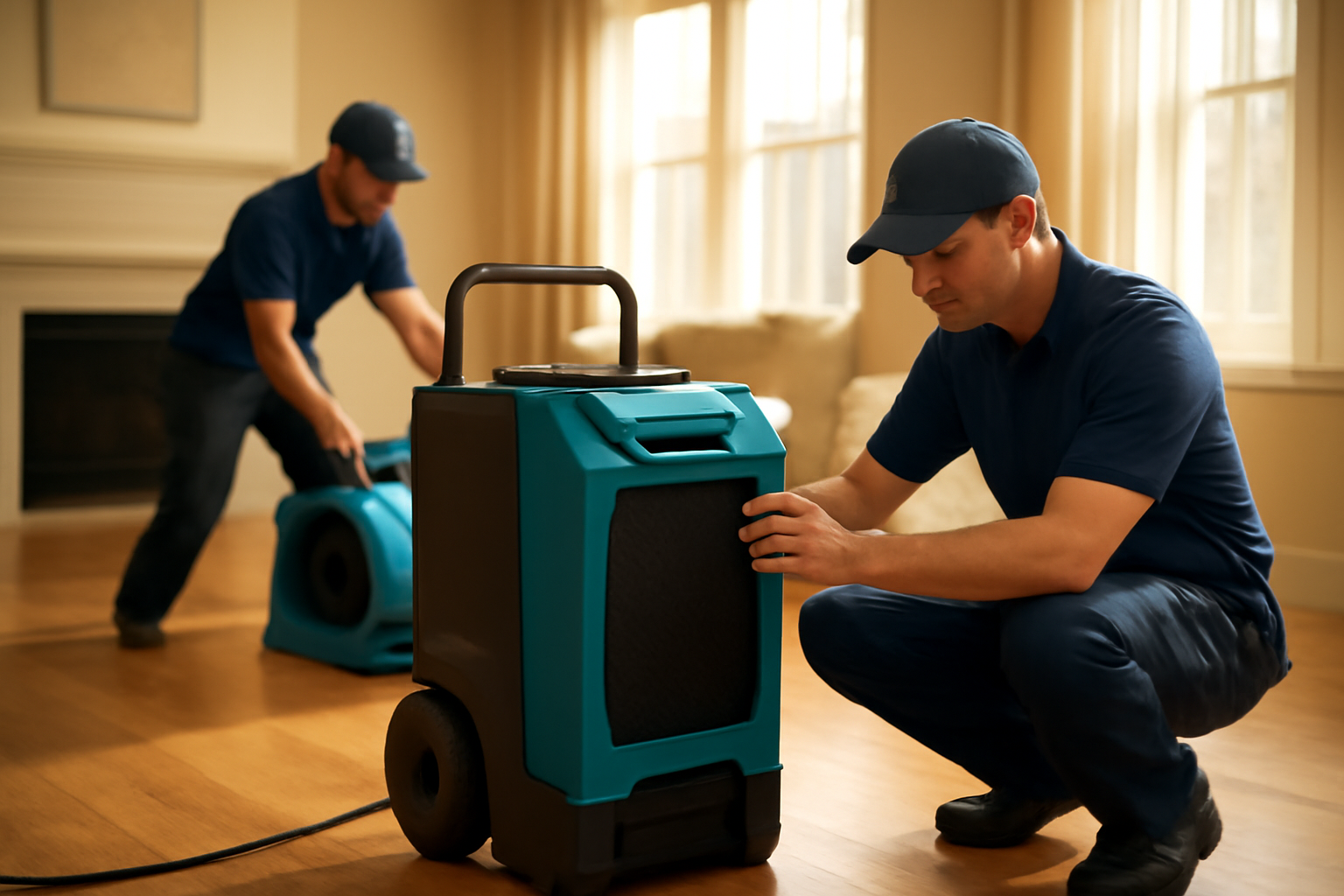
Professionals can quickly extract water and dry out your apartment. They use specialized equipment like industrial fans and dehumidifiers. This speeds up the drying process significantly. They can also identify hidden moisture that you might miss.
They are trained to handle mold remediation and structural repairs. This ensures the damage is addressed completely. Choosing professionals means you are taking steps to ensure a safe living environment.
Conclusion
Water damage in apartments can be a tricky situation, but understanding the cause and your lease is key to determining responsibility. Generally, tenants are responsible for damage due to their negligence, while landlords handle issues stemming from building maintenance and structural problems. Prompt communication and documentation are vital for both parties. For thorough and safe restoration, especially when mold or structural issues arise, calling a professional restoration service like Eden Prairie Restoration Pros is the most effective way to get your apartment back to normal. We are a trusted resource for dealing with the aftermath of water damage.
What if the water damage is minor, like a small leak?
Even minor leaks should be reported to your landlord immediately. Small issues can quickly escalate into bigger problems if not addressed. Your lease agreement might also require you to report all leaks, regardless of size. Prompt reporting helps prevent more serious damage and potential disputes.
Does my renter’s insurance cover water damage?
Renter’s insurance typically covers damage to your personal belongings caused by water. It may also cover additional living expenses if you have to move out due to damage. However, it usually doesn’t cover the cost of repairing the building itself. That responsibility typically falls to the landlord or their insurance. It is wise to review your policy details.
What if the landlord refuses to fix the water damage?
If your landlord is unresponsive or refuses to make necessary repairs, you may have legal recourse. This can include withholding rent (in some states, with proper procedures), breaking the lease, or taking legal action. It’s advisable to consult with a local tenant’s rights organization or an attorney. This ensures you follow the correct legal steps to protect your rights as a tenant.
Can I make repairs myself to speed things up?
While you can take minor steps to mitigate damage, like moving furniture, it’s generally not recommended to make significant repairs yourself. Unauthorized repairs could be costly if done incorrectly. They might also void your landlord’s insurance or create liability issues. Always get permission from your landlord before attempting any repairs. It is best to let professionals handle repairs.
How long does water damage restoration typically take?
The timeline for water damage restoration varies greatly. It depends on the extent of the damage, the type of materials affected, and the drying process. Minor damage might take a few days, while severe flooding could take weeks. A professional restoration company can provide a more accurate estimate after an initial assessment. Prompt action is key to minimizing restoration time.