
Trusted by 155+ Homeowners
Using A Home Inspection To Catch Hidden Water Damage
- Over 157 5-Star Reviews
- Free Estimates and Quotes
- 100% Satisfaction Guaranteed
- Child, Family & Pet Safe Steps
- 24-Hour Emergency Service
- Fully Licensed & Insured
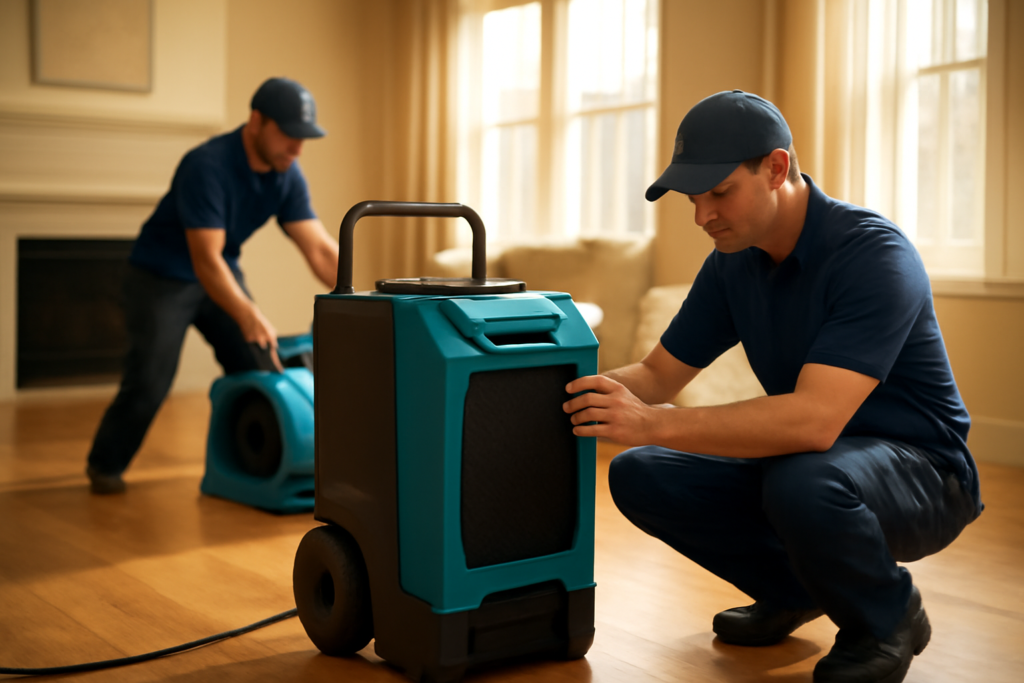
A home inspection is a smart way to catch hidden water damage before it becomes a major problem.
Using a home inspection can reveal signs of water damage you might otherwise miss, saving you from costly repairs and health issues.
TL;DR:
- Home inspections are key to finding hidden water damage.
- Look for water stains, peeling paint, and musty odors.
- Check basements, attics, and around windows and doors.
- Plumbing issues and roof leaks are common culprits.
- Address water damage quickly to prevent mold and structural problems.
Using a Home Inspection to Catch Hidden Water Damage
Water damage can sneak into your home without you even knowing it. It often starts small. A tiny leak can go unnoticed for months. Eventually, it can cause big problems for your house. A thorough home inspection is your best defense. It helps you find these hidden issues early. This can save you a lot of money and headaches down the line. Let’s explore how an inspection can help.
Why Inspect for Water Damage?
You might wonder why you need a specific inspection for water. Water is a relentless force. Even small amounts can cause significant harm. It can weaken structures. It can lead to mold growth. It can create serious health risks for your family. Catching it early is absolutely critical. An inspection helps identify the signs before they become obvious disasters.
What Inspectors Look For
Professional inspectors are trained to spot subtle clues. They know where water likes to hide. They check common problem areas. They also look for less obvious indicators. This includes things like unusual smells or high humidity levels. They use their experience and tools to find potential issues.
Signs of Water Damage During an Inspection
During a home inspection, several visual cues point to water damage. You should be aware of these too. Look for water stains on ceilings and walls. These often appear as discolored patches. They can be yellow, brown, or even black. Also, check for peeling or bubbling paint. This is a common sign of moisture behind the surface. Warped or sagging drywall is another red flag. It indicates that the material has absorbed water.
Checking Common Water Intrusion Points
Inspectors pay close attention to areas where water can enter. This includes the roof and foundation. They examine windows and doors for signs of leaks. The areas around plumbing fixtures are also checked. Leaky pipes are a frequent source of trouble. Even small drips can cause damage over time. Understanding these common entry points helps you know what to look for.
The Role of Odors and Humidity
Sometimes, the first sign of water damage isn’t visual. A persistent musty or earthy smell is a strong indicator. This smell often means mold is growing. Mold thrives in damp environments. High humidity levels in certain rooms can also be a problem. An inspector might use a hygrometer to measure humidity. Consistently high readings suggest an underlying moisture issue.
Investigating the Attic and Basement
The attic and basement are prime spots for water problems. In the attic, inspectors look for leaks from the roof. They check insulation for signs of dampness. In the basement, they look for water intrusion through the foundation. They also inspect the area around the water heater and any plumbing. These spaces are often dark and damp, making them ideal for hidden issues.
Hidden Plumbing Leaks: A Major Concern
One of the most common and damaging issues is hidden plumbing leaks. These occur inside walls or under floors. They can go undetected for extended periods. The constant slow leak can saturate building materials. This leads to rot and structural weakening. It also creates a perfect breeding ground for mold. Understanding pipe leak causes is important for prevention.
How Inspections Uncover Plumbing Failures
While inspectors can’t see inside walls, they look for indirect signs. They check water pressure. They look for unexplained increases in water bills. They also examine visible pipes for corrosion or leaks. Water stains on ceilings below bathrooms or kitchens are a big clue. These findings prompt further investigation into potential plumbing failures.
Roof Leaks: The #1 Source of Water Damage?
Your roof is your home’s first line of defense against the elements. When it fails, water can enter quickly. A damaged roof is a major culprit for water damage. Missing shingles, cracked flashing, or clogged gutters can all lead to leaks. These can manifest as attic dampness or ceiling stains.
Connecting Roof Issues to Interior Damage
An inspector will assess the condition of your roof. They look for areas that could allow water entry. If they find potential problems, they’ll note the roof water damage risk. This might include checking the attic for dampness or stains originating from the roofline. Addressing a roof leak promptly prevents more extensive damage.
The Link Between Moisture and Mold
Water damage and mold growth go hand in hand. Mold needs moisture to survive and spread. A home inspection can reveal conditions that encourage mold. This includes damp basements, leaks, and poor ventilation. Finding these conditions early is key. It helps prevent the mold growth risk.
Why Mold is a Serious Problem
Mold isn’t just unsightly; it can be harmful. Some molds produce allergens and irritants. Others can produce mycotoxins. Exposure can lead to respiratory problems and allergic reactions. Identifying the source of moisture is the first step. Then, the mold must be remediated properly. Ignoring the smell of mold after moisture can be dangerous.
Health Risks of Living with Water Damage
Living in a home with undetected water damage can have serious health consequences. Beyond mold, damp conditions can attract pests. They can also degrade indoor air quality. This can affect anyone, but children and the elderly are particularly vulnerable.
Understanding the Health Dangers Involved
The health dangers involved with water damage are often underestimated. Respiratory issues are common. Allergic reactions can flare up. Some people may experience headaches or fatigue. It is important to address water damage to ensure a safe living environment. The health risks present can impact your quality of life.
What to Do if Water Damage is Found
If your home inspection reveals signs of water damage, don’t panic. The key is to act quickly. Get a professional assessment from a restoration company. They can identify the source of the water. They can also assess the extent of the damage. Prompt action can prevent further issues.
Steps for Addressing Water Damage
Here are the essential steps to take:
- Identify the source of the water intrusion.
- Document the damage with photos and notes.
- Contact a qualified water damage restoration professional.
- Begin the drying and repair process immediately.
- Address any mold issues that have developed.
- Ensure proper ventilation to prevent future problems.
Prevention is Key
Regular maintenance can prevent many water damage issues. Keep your gutters clean. Inspect your roof periodically. Check for leaks under sinks and around toilets. Ensure your sump pump is working. Being vigilant can save you from costly repairs. A home inspection is a great way to assess current conditions.
Proactive Measures for Homeowners
Consider these simple checks:
- Walk around your home after heavy rain. Look for pooling water.
- Check your basement or crawl space for dampness regularly.
- Test your sump pump every few months.
- Inspect visible pipes for any signs of leaks or corrosion.
- Ensure proper drainage away from your foundation.
Conclusion
A home inspection is an incredibly useful tool for uncovering hidden water damage. By understanding the signs and common problem areas, you can protect your home and your family’s health. From subtle stains to musty odors, these indicators should not be ignored. If an inspection reveals issues, or if you suspect water damage, it’s important to seek professional help. For expert advice and prompt remediation in Eden Prairie, Eden Prairie Restoration Pros are a trusted resource dedicated to restoring your home safely and effectively.
What are the most common places for hidden water damage?
Hidden water damage often occurs in less visible areas. These include behind walls, under floors, and in attics or basements. Leaks from plumbing, roofs, or even appliance hoses can go unnoticed for a long time in these spots.
Can a home inspection guarantee finding all water damage?
While a home inspection is thorough, it cannot guarantee finding every single instance of hidden water damage. Inspectors are limited by what is visible and accessible. Some damage may be deeply concealed. However, they are skilled at identifying potential issues and recommending further investigation.
How quickly should I address water damage found during an inspection?
You should address water damage as soon as possible after it’s found. Even small leaks can lead to significant problems like mold and structural decay if left untreated. Prompt action is key to minimizing damage and repair costs.
What are the long-term effects of ignoring water damage?
Ignoring water damage can lead to severe structural issues, including wood rot and foundation problems. It significantly increases the risk of mold growth, impacting indoor air quality and causing health problems. The cost of repairs will also likely increase over time.
Is a standard home inspection enough to detect water damage?
A standard home inspection includes looking for signs of water damage. However, if you have specific concerns or a history of leaks, you might consider a more specialized inspection. This could involve a plumber or a restoration specialist to investigate further.

Levi Lemieux is a licensed Damage Restoration Expert with more than 20 years of hands-on experience in disaster recovery and structural mitigation. As a seasoned industry authority, Levi has dedicated two decades to mastering the technical complexities of environmental safety, providing property owners with the reliable expertise and steady leadership required to navigate high-stress property losses with absolute confidence.
𝗖𝗲𝗿𝘁𝗶𝗳𝗶𝗰𝗮𝘁𝗶𝗼𝗻𝘀: Levi holds elite IICRC credentials, including Water Damage Restoration (WRT), Applied Structural Drying (ASD), Mold Remediation (AMRT), Fire and Smoke Restoration (FSRT), and Odor Control (OCT).
𝗙𝗮𝘃𝗼𝗿𝗶𝘁𝗲 𝗣𝗮𝘀𝘁𝗶𝗺𝗲: When off-site, Levi is a passionate mountain biker and an amateur astronomer, hobbies that reflect the endurance and precision he brings to every restoration project.
𝗕𝗲𝘀𝘁 𝗣𝗮𝗿𝘁 𝗼𝗳 𝘁𝗵𝗲 𝗷𝗼𝗯: He finds the most fulfillment in providing a clear path forward for families, turning a site of devastation back into a safe, comfortable home.