Pipe Burst? What To Do In The First 10 Minutes
Trusted by 155+ Homeowners
A pipe burst can cause devastating water damage quickly. In the first 10 minutes, your priority is to stop the water flow and assess the immediate danger.
Knowing what to do immediately after a pipe bursts can save your home from extensive damage and costly repairs.
TL;DR:
- Shut off the main water supply immediately.
- Turn off electricity to affected areas.
- Document the damage with photos/videos.
- Remove standing water if safe.
- Contact a water damage restoration professional.
Pipe Burst? What to Do in the First 10 Minutes
Discovering a burst pipe is a homeowner’s nightmare. Water can spread rapidly, causing significant damage. Understanding the immediate steps can make a world of difference. You need to act fast to minimize the impact.
Immediate Actions: Stopping the Flow
Your very first move should be to shut off the main water supply. This is usually located in your basement, garage, or near your water meter. It’s a critical step to prevent further flooding.
Locate the main shut-off valve. It often looks like a lever or a round knob. Turn it clockwise until it’s fully closed. This stops water from entering your home’s plumbing system.
Safety First: Electricity and Water Don’t Mix
Water and electricity are a dangerous combination. If water has reached electrical outlets or appliances, turn off the electricity to the affected areas. You can do this at your home’s circuit breaker panel.
If you’re unsure which breakers control which areas, it’s safer to shut off the main power to your entire home. Never touch electrical devices if you are standing in water or if they are wet.
Assessing the Damage: What You See
Once the water flow is stopped and electricity is secured, take a moment to observe. Look for the source of the burst pipe. Note where the water is coming from and how far it has spread. This information will be vital for restoration professionals.
Consider how fast water can spread. Research shows that even a small leak can cause significant damage over time. A burst pipe can flood your home much faster than you might think. Understanding how fast can a burst pipe flood your home? is key to appreciating the urgency.
Document Everything: Your Records Matter
Before you start cleaning or moving things, document the damage. Take photos and videos of the affected areas. Capture the water levels, damaged items, and the source of the leak.
This documentation is crucial for insurance claims. It provides a clear record of the extent of the damage. Keep these records safe and organized.
Initial Cleanup: Removing Standing Water
If it’s safe to do so, begin removing standing water. Use buckets, mops, or a wet/dry vacuum. The goal is to remove as much excess water as possible to prevent further damage and mold growth.
Be cautious. If the water is deep or you suspect electrical hazards, do not attempt to remove it yourself. Wait for professionals to handle the situation safely.
Protecting Your Belongings
Move any salvageable furniture, electronics, and personal items away from the wet areas. Place them on higher ground or in a dry location if possible. This helps prevent additional damage to your possessions.
Think about items that are difficult to move. For large furniture, try placing aluminum foil or plastic under the legs to prevent further staining or damage to the flooring.
Beyond the First 10 Minutes: Next Steps
The initial 10 minutes are about damage control and safety. After that, the focus shifts to restoration and preventing long-term issues like mold. Many homeowners overlook the unseen damage.
The Hidden Dangers of Water Damage
Water can seep into walls, floors, and ceilings, creating hidden problems. These hidden plumbing leaks can lead to structural damage and mold growth over time. It’s essential to address all affected areas.
Moisture spread can affect areas far from the initial leak. This is why a thorough inspection is always necessary. Understanding the water damage aftermath involves looking beyond the visible.
Mold: A Silent Threat
Mold can start to grow within 24-48 hours after water exposure. It poses serious health risks and can spread quickly. Prompt drying and professional remediation are key.
If you notice any musty odors or see signs of mold, it’s a clear indicator of a problem that needs immediate attention.
The Importance of Professional Restoration
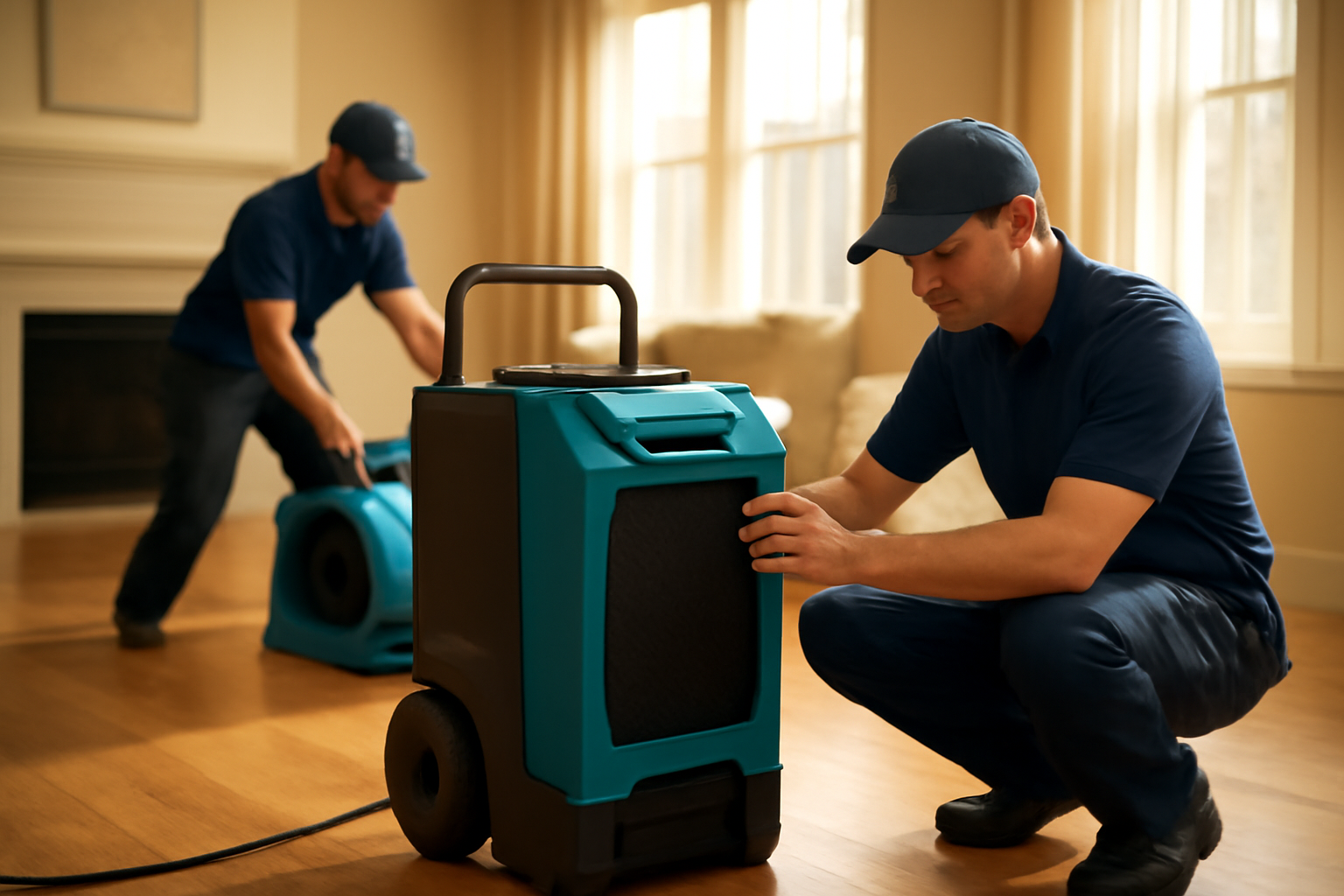
Calling a professional water damage restoration service is crucial. They have the equipment and expertise to handle the situation effectively. This includes water extraction, drying, dehumidification, and mold remediation.
Professionals can identify hidden moisture and ensure your home is properly dried. This is vital for preventing long-term damage and health issues. You can trust them to manage the water damage aftermath properly.
When to Call for Help
You should call a professional right away if the damage is extensive. This includes situations where water has saturated carpets, drywall, or insulation. Also, if you suspect electrical hazards or mold growth.
Don’t wait to get help. The longer you delay, the more severe and costly the damage can become. Professional assessment ensures nothing is missed.
Preventing Future Pipe Bursts
Once your home is restored, it’s wise to think about prevention. Regular plumbing maintenance can save you from future headaches. Addressing potential issues early is always best.
Consider these pipe maintenance tips to keep your plumbing in good shape. This includes insulating pipes in unheated areas and knowing your shut-off valve location.
Here’s a quick checklist for preventing pipe bursts:
- Insulate exposed pipes in unheated areas.
- Seal air leaks in attics, basements, and crawl spaces.
- Disconnect and drain outdoor hoses before winter.
- Let faucets drip during extreme cold snaps.
- Know the location of your main water shut-off valve.
- Maintain consistent indoor temperatures, especially during winter.
Understanding Seasonal Risks
Certain times of the year present higher risks. Winter is a common culprit for burst pipes due to freezing temperatures. Understanding winter water damage: ice dams and pipe bursts can help you prepare.
Other issues can arise from different sources. For instance, roof leaks can also cause significant water damage. It’s important to be aware that why your roof is the #1 source of water damage might be due to poor maintenance or storm damage.
The Role of Regular Inspections
Having your plumbing system regularly inspected can catch problems before they become disasters. A plumber can identify weak spots or potential issues.
This is part of good pipe maintenance tips. It helps ensure your system is robust and ready for any weather. It can also help with freeze prevention steps.
| Problem | Immediate Action (First 10 Mins) | Next Steps |
|---|---|---|
| Pipe Burst | Shut off main water. Turn off electricity to affected areas. Document damage. | Remove standing water (safely). Protect belongings. Call professionals. |
| Frozen Pipe | Turn on faucet to relieve pressure. Apply gentle heat (hair dryer). | Inspect for leaks after thawing. Call plumber if burst. |
| Sewer Backup | Do NOT use water. Turn off main water if necessary. | Call professionals immediately. Avoid contact with sewage. |
Conclusion
Dealing with a burst pipe is stressful, but quick, decisive action can minimize the damage. Remember to prioritize safety by shutting off water and electricity. Documenting the situation is key for insurance. Then, rely on the expertise of professionals to handle the restoration process thoroughly. For residents in Eden Prairie, Eden Prairie Restoration Pros is a trusted resource ready to help you navigate the complexities of water damage restoration and get your home back to normal.
What are the main signs of a burst pipe?
Common signs include a sudden drop in water pressure, unusual sounds from your pipes, unexplained wet spots on walls or ceilings, and the sound of running water when no fixtures are on. A visible leak is the most obvious sign.
How quickly should I contact a restoration company?
You should contact a restoration company as soon as possible, ideally within 24 hours of discovering water damage. The faster they can start the drying process, the less severe the damage will be, and the lower the risk of mold growth.
Can I clean up water damage myself?
For minor leaks with minimal water, you might be able to do some initial cleanup yourself. However, for burst pipes and significant flooding, professional help is strongly recommended. They have specialized equipment for effective water extraction and drying.
What is the biggest risk after a pipe bursts?
The biggest immediate risk is electrical shock if water is near electrical sources. The biggest long-term risk is mold growth, which can start within 24-48 hours and lead to serious health problems and structural damage.
How can I prevent pipes from freezing and bursting in winter?
To prevent freezing, insulate exposed pipes, seal drafts in your home, disconnect outdoor hoses, and let faucets drip during very cold weather. Keeping your home heated consistently, even when you’re away, is also important.