
Is One Inch Of Standing Water Enough To Cause Damage?
Trusted by 155+ Homeowners
Yes, even one inch of standing water can cause significant damage to your home.
Don’t underestimate the destructive power of water, no matter the depth.
TLDR:
- One inch of standing water is enough to cause damage.
- Water can quickly spread, damage materials, and encourage mold.
- Hidden water sources like plumbing leaks are common culprits.
- Prompt action is essential to mitigate damage and prevent future issues.
- Professional restoration services can help assess and repair water damage effectively.
Is One Inch of Standing Water Enough to Cause Damage?
It might seem minor, but even a shallow puddle of water can wreak havoc. One inch of standing water is absolutely enough to cause damage to your home. Many homeowners think they need feet of water to worry. That simply isn’t true. Water is a persistent force. It seeks out weaknesses. It can seep into materials you wouldn’t expect.
The Unseen Dangers of Shallow Water
When water sits, even for a short time, it begins to work its magic. And not the good kind of magic. It can saturate carpets and padding. This leads to a mushy, unstable floor. Wood flooring can swell and warp. Drywall can absorb water. This makes it soft and prone to crumbling. Even baseboards can absorb moisture and begin to deteriorate.
The damage isn’t just about saturation. Mold is a serious concern. Mold spores are everywhere. They just need moisture to grow. One inch of standing water creates the perfect humid environment. Mold can start to grow within 24 to 48 hours. This can lead to serious health risks and expensive remediation. It’s a key related factor in why even small amounts of water are a big deal.
How Water Spreads and Damages
Water doesn’t like to stay put. It has a way of spreading. It can travel under baseboards. It can seep into subflooring. It can even find its way into wall cavities. This makes the problem much larger than the visible puddle. What looks like a small spill can quickly become a widespread issue. You might notice soft spots in floors and walls later on.
Materials react differently to water. Porous materials like drywall, insulation, and wood absorb water readily. This weakens their structural integrity. Metal components can rust. Electronics can be short-circuited. The longer water sits, the more damage it causes. This is why acting quickly is essential.
Common Culprits Behind Water Intrusion
Where does this water come from? Sometimes it’s obvious, like a burst pipe or a severe storm. Other times, the source is more mysterious. Understanding these sources helps prevent future problems. We found that many homeowners are unaware of all the potential entry points.
One common issue is hidden plumbing leaks. These can occur inside your walls or under your floors. They might drip for weeks or months. You may not see any obvious signs until the damage is extensive. These leaks are a key related factor that requires professional attention. You can explore this topic for more details.
Your roof is another common culprit. Why your roof is the #1 source of water damage is due to its constant exposure to the elements. Shingle damage, flashing issues, or clogged gutters can all lead to leaks. These might start small but can cause significant damage over time. For homeowners, similar concerns apply to other parts of your home’s exterior.
Foundation issues can also let water in. How foundation cracks let water into your home is a serious concern. Water can seep through even tiny cracks. This can lead to basement flooding or moisture problems in crawl spaces. This is an important consideration for the overall health of your home. Addressing these issues is vital to prevent long-term damage.
The Impact on Different Home Materials
Let’s break down how common household materials react to even an inch of water:
| Material | Impact of 1 Inch of Water |
|---|---|
| Carpet & Padding | Saturated, can delaminate, prone to mold and mildew. |
| Hardwood Flooring | Swelling, warping, buckling, potential subfloor damage. |
| Drywall | Absorbs water, becomes soft, loses structural integrity, potential mold growth. |
| Insulation | Loses R-value when wet, can become a breeding ground for mold. |
| Wood Framing | Can swell, warp, and eventually rot if not dried properly. |
| Metal Fixtures | Prone to rust and corrosion. |
This table shows how quickly various materials degrade. It highlights why prompt drying is critical. Even seemingly minor water exposure can have lasting effects.
What to Do When You Find Standing Water
Discovering standing water can be alarming. But staying calm and taking the right steps is key. Your immediate goal is to stop the water source and remove the water. Then, you need to dry everything thoroughly.
Here’s a quick checklist to follow:
- Identify the water source and shut it off if possible.
- Remove the standing water using a wet vac or mops.
- Ventilate the area by opening windows and using fans.
- Remove wet, saturated items like rugs and furniture.
- Document the damage with photos for insurance purposes.
- Call a professional restoration service to ensure complete drying and prevent mold.
Remember, do not wait to get help. The longer water sits, the more damage it causes. This is a key related factor in the overall cost and difficulty of repairs.
When to Call the Professionals
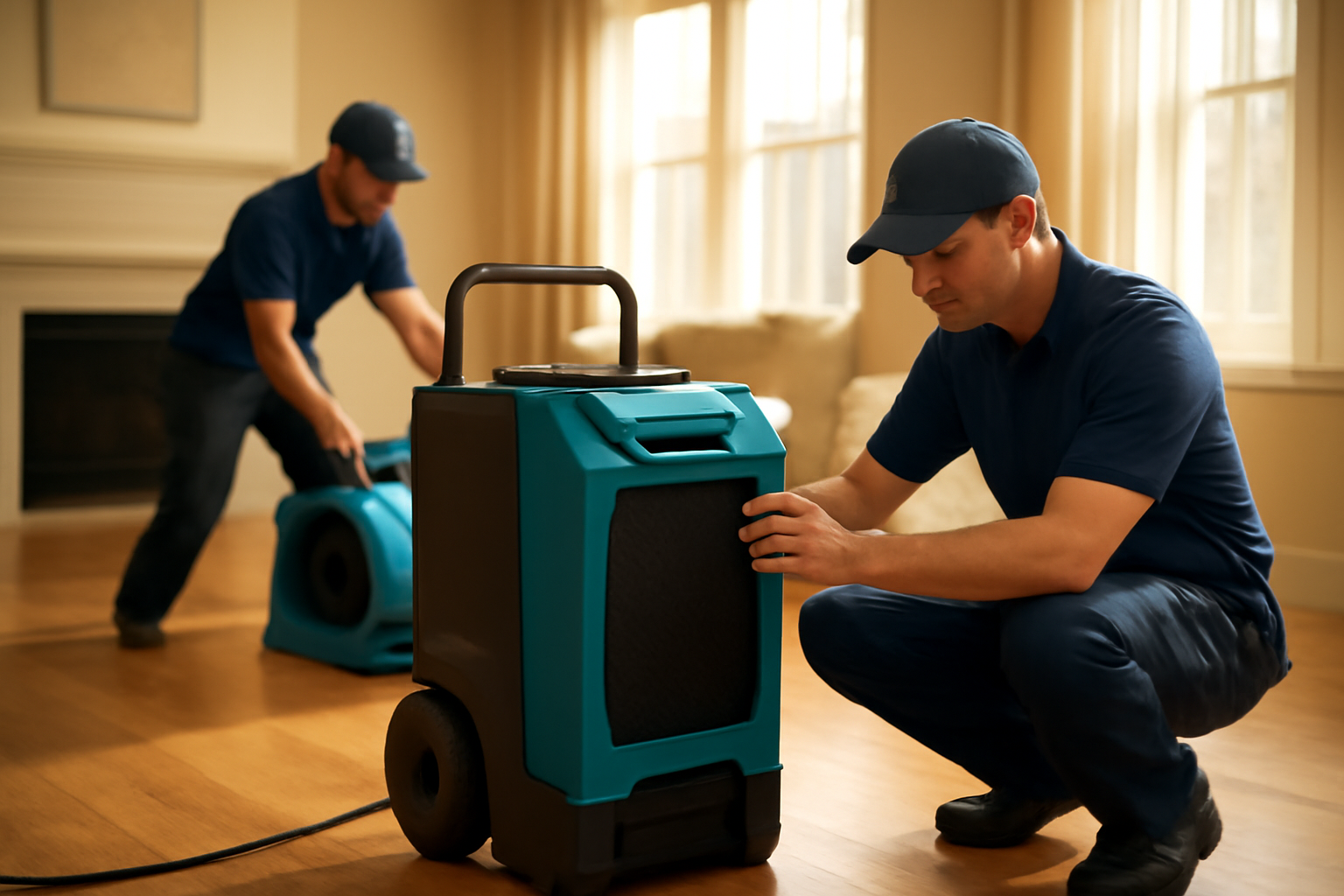
While DIY efforts can help with minor spills, an inch of standing water often requires professional intervention. Restoration experts have specialized equipment. They can detect hidden moisture. They can dry your home safely and effectively. This prevents issues like mold and structural damage.
We found that many homeowners underestimate the extent of water damage. They might think they’ve dried everything out. But moisture can linger in unseen places. This can lead to problems down the road. This is why getting expert advice today is so important. It’s about protecting your investment and your family’s health.
There are many potential reasons for water damage, and knowing them can help. You might be dealing with appliance malfunctions, HVAC issues, or even sewage backups. Understanding these related damage issues can help you be better prepared. It’s wise to learn more here about common water damage causes.
Ignoring even a small amount of water can lead to long-term structural problems. It can also create an unhealthy living environment. The initial cleanup is just the first step. Proper drying and restoration are crucial. This is an important consideration for the longevity of your home. You need to act before it gets worse.
Preventing Future Water Damage
Once you’ve dealt with an incident, think about prevention. Regular maintenance is key. Check your roof, gutters, and foundation. Inspect plumbing fixtures and appliances. Ensure sump pumps are working. These steps can help avoid future water intrusion. It’s about being vigilant and taking preventative measures.
Understanding the various ways water can enter your home is crucial. From how foundation cracks let water into your home to issues with your roof, being aware is the first step. This knowledge helps you identify potential weak spots. It allows you to address them before they become major problems. This is an important consideration for maintaining your home.
Sometimes, the damage might seem minor, but it can lead to issues like soft spots in floors and walls. These are often indicators of deeper moisture problems. It’s always better to have a professional assess the situation. They can provide a more thorough understanding of the damage and the necessary repairs.
Don’t forget about the potential for related damage issues like mold growth. Even if you can’t see it, mold can start to form in damp areas. This is why complete drying and professional inspection are so important. It’s always wise to learn more here about these specific concerns.
Conclusion
In summary, one inch of standing water is indeed enough to cause significant damage to your home. It can saturate materials, warp structures, and create the perfect breeding ground for mold. The key is to act fast. Identify the source, remove the water, and dry the area thoroughly. For situations involving more than just a minor spill, or if you’re unsure about the extent of the damage, it is always best to call a professional right away. Eden Prairie Restoration Pros understands the urgency of water damage. We are a trusted resource for homeowners needing expert restoration services.
What are the first signs of water damage I should look for?
Look for musty odors, visible mold or mildew, staining on walls or ceilings, peeling paint, and sagging drywall. Soft spots in floors or walls are also a clear indication of moisture issues. Any unusual dampness or discoloration warrants further investigation.
How long does it take for mold to grow after water damage?
Mold spores are present everywhere, but they typically begin to grow within 24 to 48 hours in damp conditions. The faster you can remove the water and dry the affected areas, the less likely mold is to develop and spread.
Can I dry out my home myself after an inch of water?
For very minor, superficial spills, you might be able to dry it out with fans and dehumidifiers. However, with one inch of standing water, it’s often difficult to reach all the moisture trapped within materials like subflooring or wall cavities. Professional help is recommended to ensure complete drying and prevent hidden issues.
Will my insurance cover water damage from an inch of standing water?
Insurance coverage for water damage varies greatly depending on the cause of the water intrusion. Damage from sudden and accidental sources like burst pipes is often covered. Damage from gradual leaks or floods may have different coverage rules. It’s best to review your policy or contact your insurance provider directly.
What is the most important step in water damage restoration?
The most important step is prompt and thorough drying. Removing all excess water and then drying all affected materials to their normal moisture content is critical. This prevents secondary damage like mold growth, structural deterioration, and unpleasant odors. Getting professional help ensures this is done correctly.