
Trusted by 155+ Homeowners
Hurricane Damage Restoration: What Homeowners Face
- Over 157 5-Star Reviews
- Free Estimates and Quotes
- 100% Satisfaction Guaranteed
- Child, Family & Pet Safe Steps
- 24-Hour Emergency Service
- Fully Licensed & Insured
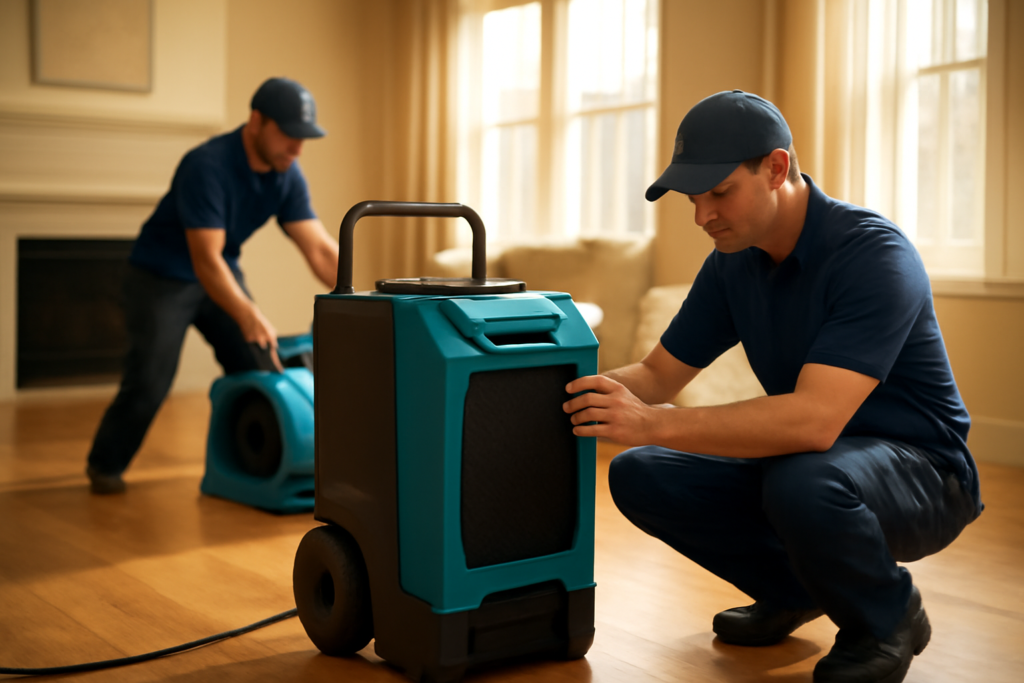
Hurricane damage restoration is a complex process homeowners face after severe storms. It involves addressing water damage, wind damage, and potential structural issues.
Facing hurricane damage restoration requires understanding the scope of destruction and the steps needed for recovery. This guide helps you navigate the challenges.
TLDR;
- Hurricanes bring severe wind and water damage to homes.
- Immediate assessment and safety are critical after a storm.
- Water damage can lead to mold and structural problems if not treated quickly.
- Professional restoration services are essential for thorough cleanup and repair.
- Insurance claims and documentation are vital parts of the recovery process.
Hurricane Damage Restoration: What Homeowners Face
When a hurricane hits, your home can suffer from a devastating combination of forces. High winds can tear off roofs and shatter windows. Storm surge and heavy rain cause widespread flooding. This dual threat means you might deal with both water and wind damage simultaneously. Understanding these issues is the first step to recovery.
The Immediate Aftermath: Safety First
After the storm passes, your first priority is safety. Do not re-enter your home if it is structurally unsound. Look for downed power lines, gas leaks, or standing water. These pose serious hazards. Assess visible damage from a safe distance. If you see extensive damage, it is best to wait for professionals to assess the situation.
Understanding the Types of Hurricane Damage
Hurricanes bring a variety of destructive forces. These can affect your home in different ways.
Wind Damage
Strong winds can rip shingles off your roof. They can also tear away siding or even entire sections of your home. Flying debris can create holes in walls and windows. This damage often leads to further issues like water intrusion. Addressing wind damage promptly prevents secondary problems.
Water Damage
This is often the most pervasive type of hurricane damage. Heavy rainfall can overwhelm drainage systems. Storm surge can inundate coastal properties. Water can seep through tiny cracks, under doors, and through damaged roofs and walls. Water intrusion risks are high, leading to mold growth and structural weakening.
Flood Damage
Flood damage from storm surge or overflowing rivers is particularly destructive. Floodwaters can carry debris, sewage, and chemicals. This makes cleanup a health hazard. The sheer volume of water can cause walls to collapse. Interior water damage from flooding is extensive and requires specialized drying methods.
The Critical Role of Professional Restoration
Once it’s safe, professional help is crucial. Restoration companies have the expertise and equipment to handle complex damage. They can assess the full extent of the problem. They also know how to mitigate further damage.
Why Professional Water Extraction is Key
Drying out a flooded home is not a simple DIY task. Professionals use powerful pumps and specialized tools. They can remove standing water quickly. This speeds up the drying process. It also helps prevent mold growth. We found that many homeowners underestimate the challenge of properly drying a structure. Learning how pros dry out a flooded home step by step reveals the advanced techniques involved.
Preventing Mold and Structural Issues
Mold can start growing within 24-48 hours after water damage. It poses serious health risks and can weaken your home’s structure. Professionals use dehumidifiers and air movers to dry materials thoroughly. They also apply antimicrobial treatments. This ensures a safe and healthy environment. Understanding how long does it take to dry out a flooded room highlights the importance of professional speed and efficiency.
Comprehensive Cleanup and Repair
Restoration experts handle more than just water. They remove damaged materials, clean affected areas, and rebuild. This includes repairing walls, floors, and ceilings. They also address electrical and plumbing issues. The process of flood damage cleanup: what happens step by step shows the thoroughness required.
Navigating Insurance Claims
Dealing with your insurance company is a major part of hurricane damage restoration. Document everything. Take photos and videos of the damage before cleanup begins. Keep detailed records of all repairs and expenses. Understand your policy thoroughly. If you are unsure about coverage, consult with your insurance agent or a public adjuster. Research shows that clear documentation can significantly speed up the claims process.
When DIY is Not Enough
While some minor repairs might seem manageable, hurricane damage is often extensive. Attempting large repairs yourself can be dangerous. It can also lead to incomplete work. This might void warranties or insurance coverage. Do not wait to get help for significant damage. You may think you can save money, but the long-term costs of improper repairs can be higher. Consider the DIY limitations and know when pros are needed.
Cost Considerations for Restoration
The cost of hurricane damage restoration varies greatly. It depends on the severity of the damage and the size of your home. Factors include the extent of water damage, structural repairs needed, and mold remediation. Many homeowners wonder about how much does flood damage cleanup cost. It’s an investment in your home’s safety and integrity.
Making an Informed Decision
Getting multiple quotes from reputable restoration companies is wise. Look for companies with experience in hurricane recovery. They can provide detailed estimates. Understanding the costs involved helps you plan your recovery. Schedule a free inspection to get a clear picture of what needs to be done.
Checklist for Post-Hurricane Homeowners
Here’s a quick checklist to help you through this difficult time:
- Ensure your family’s safety.
- Document all damage with photos and videos.
- Contact your insurance company immediately.
- Turn off utilities if there’s any risk of electrical or gas hazards.
- Call a professional restoration company for assessment and cleanup.
- Begin the process of drying out and repairing your home.
A Table of Common Hurricane Damage Types and Impacts
| Damage Type | Common Causes | Potential Impacts |
|---|---|---|
| Wind Damage | High winds, flying debris | Roof damage, siding loss, broken windows, structural compromise |
| Water Damage | Heavy rain, leaks, saturated ground | Mold growth, rot, warped floors, damaged drywall, ruined belongings |
| Flood Damage | Storm surge, overflowing rivers | Extensive structural damage, contamination, electrical hazards, widespread loss |
| Electrical Damage | Water exposure, damaged wiring | Fire hazards, electrocution risks, appliance failure |
Conclusion
Recovering from hurricane damage is a challenging journey. It requires immediate action, careful assessment, and professional expertise. By understanding the risks and steps involved, you can navigate the restoration process more effectively. Remember to prioritize safety, document everything, and seek professional help when needed. For reliable and experienced hurricane damage restoration services in the Eden Prairie area, Eden Prairie Restoration Pros is a trusted resource ready to help you rebuild.
What are the first steps to take after a hurricane?
After a hurricane, prioritize your family’s safety. Avoid re-entering damaged structures. Check for downed power lines or gas leaks. Document any visible damage from a safe distance before contacting professionals and your insurance company. Act before it gets worse.
How does professional water damage restoration differ from DIY?
Professionals use specialized equipment like industrial-grade water extractors, dehumidifiers, and air movers. They also employ advanced drying techniques and apply antimicrobial treatments. This ensures thorough drying and prevents long-term issues like mold. Get expert advice today.
Can I clean up flood damage myself?
For minor water accumulation, some DIY cleanup might be possible. However, extensive flood damage from hurricanes often involves contaminated water and structural compromise. It is generally safer and more effective to hire professionals to handle significant flood damage. Call a professional right away.
How long does hurricane damage restoration typically take?
The timeline for hurricane damage restoration varies greatly. It depends on the extent of the damage, the type of materials affected, and the drying process. Simple water extraction might take days. Full structural repairs and rebuilding can take weeks or even months. Do not wait to get help.
What is the most important factor in preventing mold after a hurricane?
The most critical factor is rapid and thorough drying. Mold needs moisture to grow, and it can begin within 24-48 hours. Professionals work to remove all excess moisture from the air and building materials quickly. This prevents mold from taking hold and becoming a health hazard. Schedule a free inspection to ensure proper drying.

Levi Lemieux is a licensed Damage Restoration Expert with more than 20 years of hands-on experience in disaster recovery and structural mitigation. As a seasoned industry authority, Levi has dedicated two decades to mastering the technical complexities of environmental safety, providing property owners with the reliable expertise and steady leadership required to navigate high-stress property losses with absolute confidence.
𝗖𝗲𝗿𝘁𝗶𝗳𝗶𝗰𝗮𝘁𝗶𝗼𝗻𝘀: Levi holds elite IICRC credentials, including Water Damage Restoration (WRT), Applied Structural Drying (ASD), Mold Remediation (AMRT), Fire and Smoke Restoration (FSRT), and Odor Control (OCT).
𝗙𝗮𝘃𝗼𝗿𝗶𝘁𝗲 𝗣𝗮𝘀𝘁𝗶𝗺𝗲: When off-site, Levi is a passionate mountain biker and an amateur astronomer, hobbies that reflect the endurance and precision he brings to every restoration project.
𝗕𝗲𝘀𝘁 𝗣𝗮𝗿𝘁 𝗼𝗳 𝘁𝗵𝗲 𝗷𝗼𝗯: He finds the most fulfillment in providing a clear path forward for families, turning a site of devastation back into a safe, comfortable home.