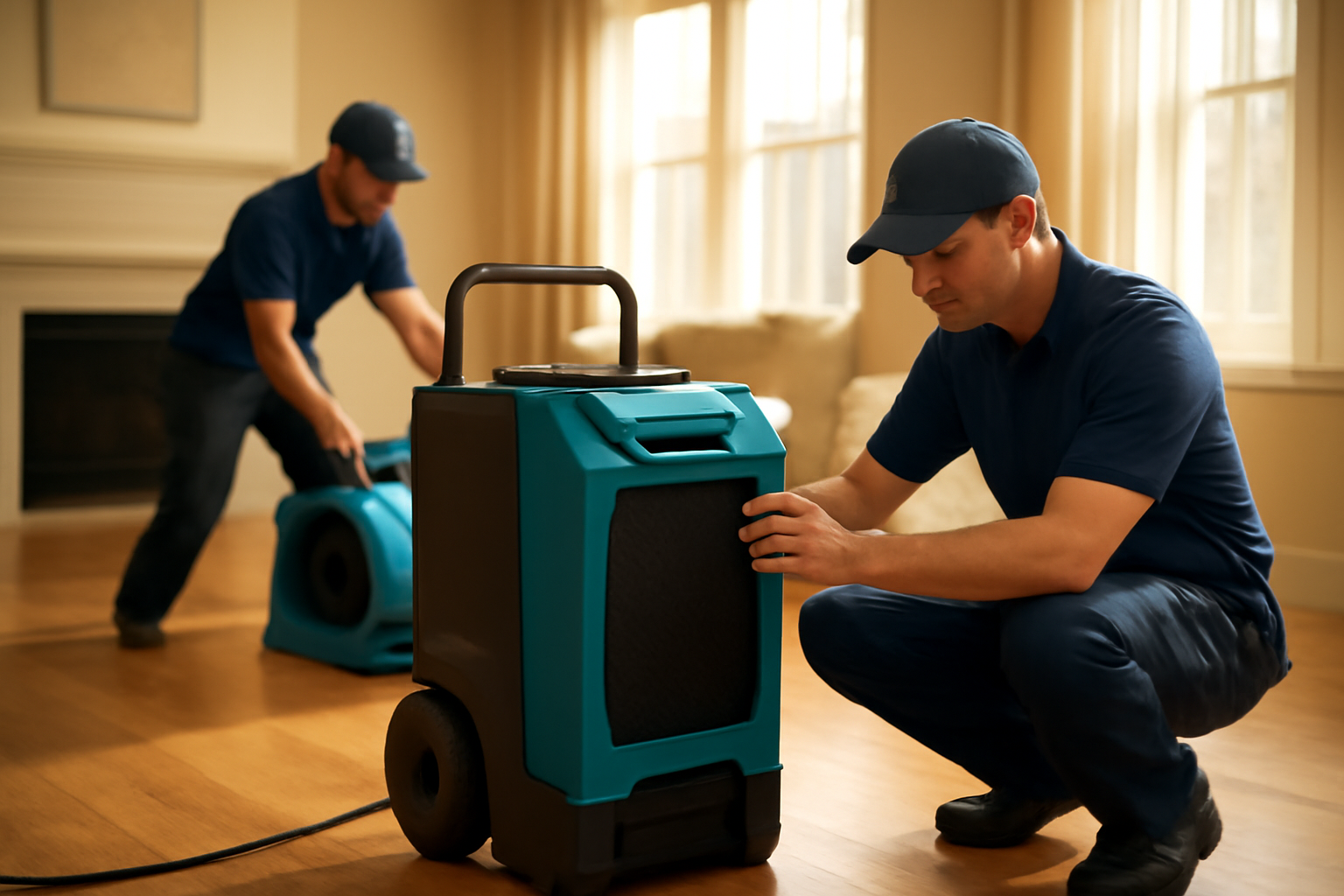
How Groundwater Gets Into Your Basement
Trusted by 155+ Homeowners
Groundwater can seep into your basement through cracks, porous materials, or hydrostatic pressure.
Understanding how groundwater gets into your basement is key to preventing costly damage and health hazards.
TL;DR:
- Groundwater enters basements via cracks, poor drainage, and hydrostatic pressure.
- Heavy rain, snowmelt, and high water tables are common triggers.
- Foundation cracks, faulty sump pumps, and leaky pipes are frequent culprits.
- Addressing drainage and foundation integrity is vital for prevention.
- Prompt professional assessment and repair are recommended for water intrusion.
How Groundwater Gets Into Your Basement
It’s a homeowner’s nightmare: finding water pooling in your basement. This unwelcome guest, groundwater, can sneak in through various pathways. Understanding these entry points is the first step to keeping your basement dry and your home safe. We’ll break down the common ways this happens, so you can identify the problem and get it fixed.
The Primary Culprits: Cracks and Porosity
Your home’s foundation is its bedrock, but it’s not always impenetrable. Small foundation cracks can act like tiny highways for water. Even hairline fractures can allow moisture to seep through, especially when the soil around your foundation is saturated.
Concrete and other foundation materials aren’t perfectly solid. They can be porous, meaning they have tiny spaces that water can travel through. Over time, this porosity can become a significant issue, leading to persistent dampness. Addressing foundation damage risk early is crucial.
Hydrostatic Pressure: The Silent Squeeze
When rain or snowmelt saturates the soil around your foundation, it creates a buildup of water. This water exerts pressure, known as hydrostatic pressure, against your basement walls and floor. Think of it like a water balloon being squeezed from all sides. This constant force can push water through even seemingly solid concrete.
This pressure is a major reason why even newer homes can experience water intrusion. It’s a powerful force that doesn’t discriminate. The higher the water table, the greater the pressure against your home’s structure.
Drainage Issues: Water’s Best Friend
How well does water drain away from your home? Poor exterior drainage is a leading cause of groundwater problems. If your gutters are clogged, downspouts don’t extend far enough from the foundation, or the ground slopes towards your house, water will naturally pool near your basement.
This pooling water directly increases hydrostatic pressure. It also gives water more time to find any weak spots in your foundation. Improving your yard’s grading and ensuring clear downspouts are simple but effective preventative measures. This can significantly reduce your basement flooding risk.
Sump Pump Malfunctions: A Failed Defense
Many homes have sump pumps designed to remove water that collects around the foundation. However, these pumps can fail. They might break down due to mechanical issues, power outages, or being overwhelmed by a sudden influx of water. A malfunctioning sump pump leaves your basement vulnerable.
Regularly testing your sump pump is a smart move. Checking its discharge line for blockages is also important. A reliable sump pump is a critical line of defense against water intrusion. If you suspect issues, it’s wise to get expert advice today.
Cracks in the Foundation: A Direct Entry Point
We touched on cracks earlier, but it’s worth emphasizing their role. Cracks can form due to soil settlement, freeze-thaw cycles, or even poor initial construction. These openings, no matter how small, provide a direct path for water to enter your basement.
These issues compromise your home’s structural stability. Ignoring them can lead to more extensive damage over time. Learning about how foundation cracks let water into your home is essential for homeowners.
Window Wells and Vents: Often Overlooked
Basement windows and vents are necessary for light and air, but they can also be entry points. If window wells aren’t properly sealed or don’t have adequate drainage, they can fill with water during heavy rain. This water can then seep through the window frame or the surrounding foundation.
Ensuring window well covers are in place and that the wells themselves are clear of debris can help. Proper sealing around window frames is also key. These small details can prevent larger basement water issues.
Plumbing Leaks: Not Always Obvious
Sometimes, the water in your basement isn’t groundwater at all. Leaking pipes within your walls or under the floor can also cause dampness and pooling. These leaks can be slow and insidious, making them hard to detect until significant damage has occurred.
Pay attention to unexplained damp spots or musty odors. If you suspect a plumbing leak, it’s important to call a professional right away. Early detection can save you from costly repairs and water damage.
Capillary Action: The Wick Effect
Even without visible cracks, water can travel upwards through porous materials like concrete. This is known as capillary action, where moisture is drawn up through tiny pores, much like a sponge soaking up liquid. This can lead to dampness on basement walls and floors.
This phenomenon often contributes to that persistent musty smell in basements. It highlights the importance of moisture barriers and proper sealing of foundation materials. It’s a subtle but persistent way water can intrude.
The Role of Soil Type
Different soil types affect drainage differently. Clay soil, for example, retains a lot of moisture and drains poorly. This can lead to prolonged saturation around your foundation, increasing hydrostatic pressure. Sandy soil drains faster but can still cause issues if not managed properly.
Understanding your local soil conditions can help you anticipate potential water problems. It informs how you approach landscaping and drainage solutions. This knowledge is vital for preventing basement water issues.
Preventative Measures: Taking Control
The best way to deal with groundwater in your basement is to prevent it from getting there in the first place. This involves a multi-pronged approach. Regularly inspect your foundation for new cracks. Ensure your gutters and downspouts are clean and directing water away from your home.
Consider installing or upgrading your sump pump system. Improving exterior grading so the land slopes away from your foundation is also a smart investment. These steps are crucial for long-term protection. Don’t wait to get help if you notice recurring dampness.
When to Call the Pros
If you’ve tried basic preventative measures and still find water in your basement, it’s time to bring in the experts. Professionals can diagnose the exact cause of the intrusion. They have the tools and knowledge to identify hidden cracks, assess drainage systems, and recommend the most effective solutions.
Ignoring persistent water issues can lead to mold growth, damage to belongings, and even structural problems. It’s always better to be safe than sorry. Getting expert advice today can save you a lot of trouble down the road.
Here’s a quick checklist to assess your basement’s water vulnerability:
- Are gutters clean and downspouts extending away from the house?
- Does the ground slope away from your foundation?
- Have you inspected your foundation walls for cracks?
- Is your sump pump functioning correctly?
- Do you notice any damp spots or musty odors?
These simple checks can help you spot potential problems before they become major headaches. Remember, a dry basement contributes to a healthier home environment and protects your property.
| Common Groundwater Entry Points | Why It Happens | Potential Impact |
|---|---|---|
| Foundation Cracks | Soil settlement, freeze-thaw cycles | Direct water seepage, structural weakening |
| Porous Materials | Natural concrete/masonry porosity | Slow moisture absorption, dampness |
| Hydrostatic Pressure | Saturated soil around foundation | Forced water entry through walls/floors |
| Poor Drainage | Clogged gutters, improper grading | Water pooling near foundation, increased pressure |
| Sump Pump Failure | Mechanical issues, power outage | Inability to remove collected water |
Understanding these points can help you take targeted action. Addressing the root cause is key to a permanently dry basement. This preventative approach is far better than dealing with the aftermath of a flood. It’s important to consider your basement flood coverage options, though prevention is always the first line of defense. You might need to check if your policy offers insurance for flooding.
Conclusion
Groundwater finding its way into your basement is a common but serious issue. Whether it’s through tiny foundation cracks, the natural porosity of materials, or the relentless force of hydrostatic pressure, water intrusion can lead to significant damage and health concerns. Poor drainage, faulty sump pumps, and even overlooked entry points like window wells can all contribute. By understanding these pathways and taking proactive steps to improve your home’s defenses, you can significantly reduce your basement flooding risk. If you’re facing persistent water problems or suspect a serious underlying issue, don’t hesitate to seek professional help. At Eden Prairie Restoration Pros, we understand the stress water damage can cause and are here to provide expert guidance and reliable solutions to restore your peace of mind and protect your home.
What is hydrostatic pressure?
Hydrostatic pressure is the force exerted by standing water. When soil around your foundation becomes saturated, the water within it pushes against your basement walls and floor. This pressure can force water through even small openings.
How can I improve my home’s exterior drainage?
You can improve exterior drainage by cleaning your gutters regularly, extending downspouts at least 5-10 feet away from your foundation, and ensuring the ground around your home slopes away from the foundation. Consider adding French drains if necessary.
Are basement wall cracks always a problem?
Not all basement wall cracks are immediately problematic, but they are potential entry points for water. Even hairline cracks can worsen over time or allow moisture to seep through when soil is saturated. It’s best to have them inspected to assess their structural stability.
What should I do if I find a small amount of water in my basement?
If you find a small amount of water, try to identify the source. Check for obvious leaks, clogged drains, or recent heavy rain. Clean up the water promptly to prevent mold growth. If the problem persists or you can’t find the source, it’s wise to schedule a free inspection.
Does flood insurance cover groundwater seepage?
Standard homeowner’s insurance typically does not cover damage from groundwater seepage or rising water tables. You usually need a separate flood insurance policy for this type of damage. It’s important to understand your specific basement flood coverage.