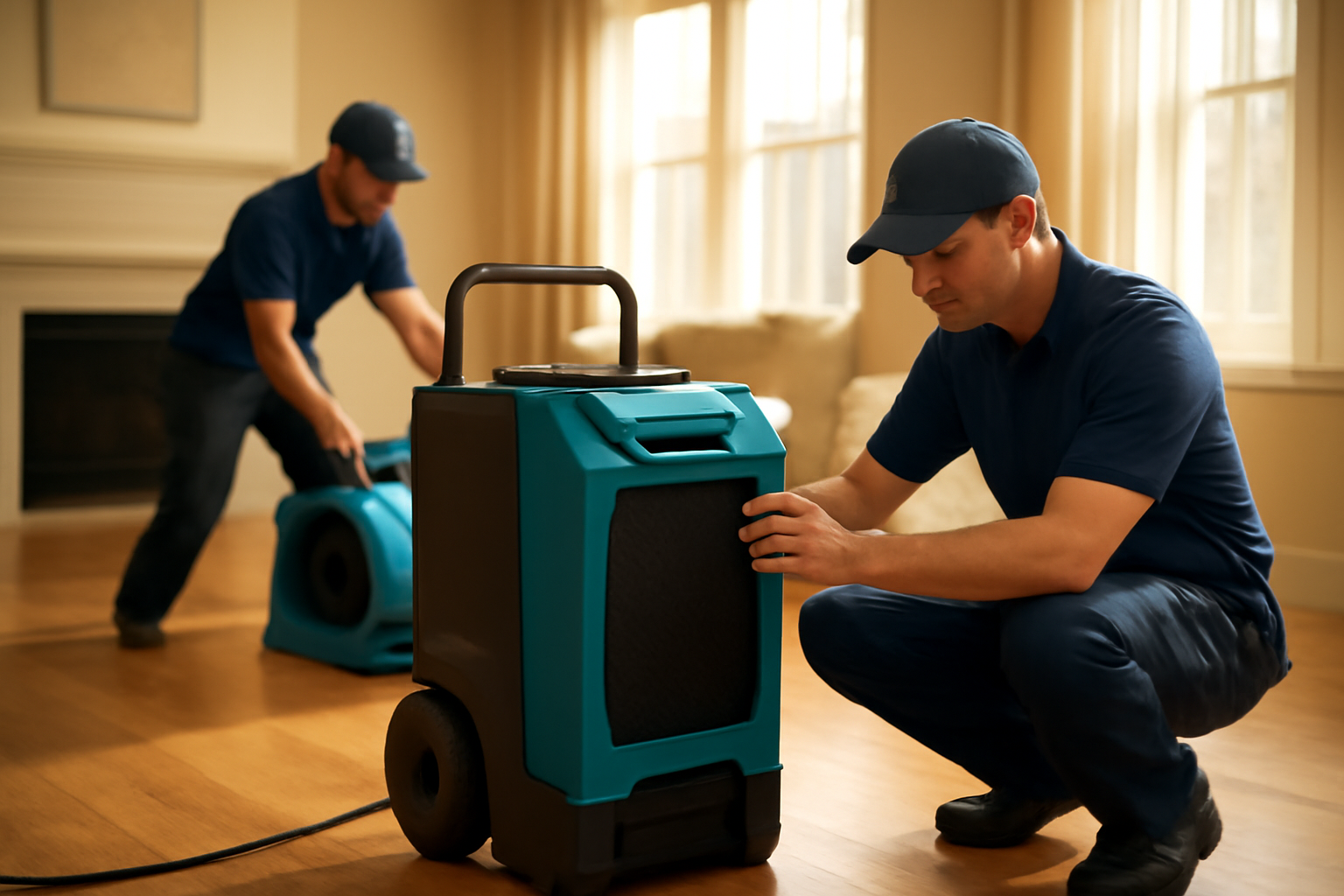
Entering A Storm-damaged Home: Safety Rules To Follow
Trusted by 155+ Homeowners
Entering a storm-damaged home requires extreme caution and a clear safety plan.
Always prioritize your safety by assessing risks and knowing when to call professionals for storm damage assessment.
TL;DR:
- Assess structural integrity before entering a storm-damaged home.
- Watch out for electrical hazards and gas leaks.
- Be aware of water damage and potential mold growth.
- Wear protective gear to prevent injuries.
- Contact professionals for safe assessment and repairs.
Entering a Storm-Damaged Home: Safety Rules to Follow
After a severe storm, the urge to check on your home is strong. But before you step inside, it’s vital to understand the potential dangers. Your safety is the absolute number one priority. Many homeowners mistakenly think their property is fine, only to discover hidden hazards. We found that a storm-damaged structure can present numerous risks that aren’t immediately obvious. Following specific safety rules can prevent serious injury or worse.
Initial Assessment: Is It Safe to Go Inside?
The first step is an external check. Look for obvious signs of damage from the outside. Are there missing shingles or significant roof damage? Are walls visibly cracked or leaning? Is the foundation compromised? If you see major structural issues, do not enter. The building might be unstable. Instead, call a professional right away to assess the situation. This initial visual inspection can save you from a dangerous situation.
Structural Integrity Concerns
Storms can weaken the very bones of your house. High winds can compromise walls and roofs. Heavy rain can saturate building materials, making them heavier and weaker. Water damage can lead to rot, which further degrades structural components. Even a seemingly minor crack could indicate a deeper problem. Research shows that even a small breach in the roof can lead to extensive interior water damage over time.
Electrical Hazards
Downed power lines are an obvious electrical risk outside. But inside, damaged wiring is a silent killer. Water and electricity are a terrible combination. If your home experienced flooding or has compromised wiring, assume all electricity is live and dangerous. Never touch electrical equipment or switches if you are wet. Do not wait to get help if you suspect electrical issues. It’s best to have the power shut off at the main breaker or by the utility company before entering.
Gas Leaks and Fire Risks
Storms can damage gas lines. A gas leak creates a serious fire or explosion hazard. If you smell rotten eggs, that’s a strong indicator of a gas leak. Do not turn on lights or any electrical devices. Do not use your phone inside. Leave the building immediately and call the gas company or 911 from a safe distance. Act before it gets worse; gas leaks are extremely dangerous.
Navigating Inside: What to Watch For
Once you’ve determined it’s relatively safe to enter, proceed with extreme caution. Move slowly and deliberately. Be aware of your surroundings at all times. What seems like a minor inconvenience could be a sign of a major problem.
Water Damage and Mold
Storms often bring significant water. Whether it’s rain, flooding, or burst pipes from winter storms, water can cause extensive damage. Standing water creates slip hazards. It also breeds mold and mildew. Mold spores can cause serious health risks, including respiratory problems and allergic reactions. If you see or smell mold, it’s a clear sign you need professional help. Understanding how long does it take to dry out a flooded room is important, but immediate safety is key.
Flooring and Ceiling Instability
Saturated floors can be unstable, especially in areas like the garage. Be cautious when walking on wet carpet or warped wood. Ceilings can sag or collapse if they’ve absorbed a lot of water. Look up frequently for any signs of distress. A sagging ceiling is a clear warning sign. You might experience garage water damage from flooding which can compromise the structure.
Debris and Sharp Objects
Storms can blow debris into and around your home. Broken glass, nails, and splintered wood are common hazards. These can cause cuts and puncture wounds. Always wear sturdy shoes, long pants, and gloves. Be mindful of where you step and place your hands. Get expert advice today if you are unsure about navigating these hazards.
Essential Safety Gear
Don’t go into a damaged home unprepared. The right gear makes a significant difference. Think of it as your personal storm-damage survival kit. Having the right equipment is a critical step in personal safety.
What to Wear
Always wear closed-toe, sturdy shoes. Work boots are ideal. Avoid sandals or open-toed shoes. Long pants and long-sleeved shirts protect your skin from cuts and scrapes. Work gloves are essential for handling debris. Safety glasses can protect your eyes from dust and falling particles. If there’s a risk of airborne contaminants, a mask or respirator is a good idea.
When to Call the Professionals
There’s a fine line between a DIY assessment and a job for experts. If you’re unsure about any aspect of safety, it’s time to call in the pros. Professionals have the tools and expertise to handle dangerous situations. They can identify hidden damage and start the restoration process safely. They also understand the complexities of how pros dry out a flooded home step by step.
Signs You Need Professional Help
Here are some clear indicators:
- Visible structural damage (cracks in walls, leaning structures).
- Evidence of major water intrusion or flooding.
- Smell of gas or burning odors.
- Damaged electrical systems or downed power lines.
- Presence of mold or mildew.
- Uncertainty about the extent of the damage.
The Benefit of Expert Assessment
Professionals can conduct a thorough inspection. They can identify issues like compromised roofing that might require a storm roof inspection. They can also assess damage related to winter water damage: ice dams and pipe bursts. Their expertise ensures that all damage is accounted for, preventing future problems.
Checklist for Entering a Storm-Damaged Home
Use this quick checklist before you enter:
- Is the power off to the affected areas?
- Are there any visible structural concerns?
- Do you smell gas or notice any strange odors?
- Do you have appropriate protective gear?
- Is there a clear path to exit if needed?
Never enter if you have any doubts about your safety. It is always better to be safe than sorry. Taking these precautions can prevent serious accidents.
Table: Potential Hazards and What to Do
| Hazard | What to Watch For | Immediate Action |
|---|---|---|
| Structural Damage | Cracked walls, sagging ceilings, leaning structures | Do not enter. Call professionals. |
| Electrical Issues | Sparks, flickering lights, wet outlets/switches | Do not touch. Shut off power if safe. Call utility company/electrician. |
| Gas Leaks | Smell of rotten eggs | Leave immediately. Call gas company from a safe distance. |
| Water Damage | Standing water, wet materials, mold smell | Be cautious of slips. Document for insurance. Consider professional drying. |
| Debris | Broken glass, nails, sharp objects | Wear protective footwear and gloves. Clear path carefully. |
Conclusion
Entering a storm-damaged home is a serious undertaking. By understanding the risks and following safety protocols, you can protect yourself and your family. Always assess the situation from the outside first. Be vigilant about electrical hazards, gas leaks, and structural instability. If you have any doubts or see significant damage, do not hesitate to call for professional help. Eden Prairie Restoration Pros is a trusted resource for assessing and repairing storm damage, ensuring your home is restored safely and effectively.
What is the first thing I should do before entering my storm-damaged home?
The very first step is to conduct a thorough visual assessment from the outside. Look for obvious signs of structural damage like cracked walls, a damaged roof, or leaning structures. Also, check for downed power lines or gas leaks in the vicinity. If you see anything that raises concerns about the building’s stability or immediate safety, do not enter. Instead, contact emergency services or a qualified restoration professional.
Are there hidden dangers inside a storm-damaged house?
Yes, absolutely. Beyond visible damage, there can be hidden dangers. These include compromised electrical wiring that could cause shocks, gas leaks leading to fire hazards, weakened flooring or ceilings that might collapse, and the growth of mold and mildew due to water intrusion, which poses serious health risks. It’s crucial to assume there are hidden dangers until proven otherwise by an expert.
How can I protect myself from injury when entering a damaged home?
Protection starts with wearing the right gear. Always wear sturdy, closed-toe shoes, long pants, and long-sleeved shirts. Work gloves and safety glasses are also highly recommended. Move slowly and deliberately inside, paying attention to where you step and what’s around you. Be aware of potential trip hazards, sharp debris, and unstable surfaces. If there’s a strong odor of gas, leave immediately and do not turn on any lights or electronics.
When should I consider professional restoration services instead of inspecting myself?
You should strongly consider professional restoration services if you observe any significant structural damage, extensive water intrusion, suspect electrical or gas line damage, or if you see signs of mold. If the storm was severe and your home sustained considerable impact, it’s always best to get expert advice. Professionals have the specialized equipment and knowledge to safely assess and address the damage.
What are the long-term risks of entering a damaged home without proper precautions?
The long-term risks are significant. You could suffer immediate injuries from collapsing structures or electrical hazards. Delayed consequences include developing respiratory issues from mold exposure or encountering further structural failures that could have been prevented with proper assessment. Ignoring damage can also lead to more extensive and costly repairs down the line, as minor issues can escalate if not addressed promptly and correctly.