
Trusted by 155+ Homeowners
Does Insurance Cover Trauma Scene Cleanup Costs?
- Over 157 5-Star Reviews
- Free Estimates and Quotes
- 100% Satisfaction Guaranteed
- Child, Family & Pet Safe Steps
- 24-Hour Emergency Service
- Fully Licensed & Insured
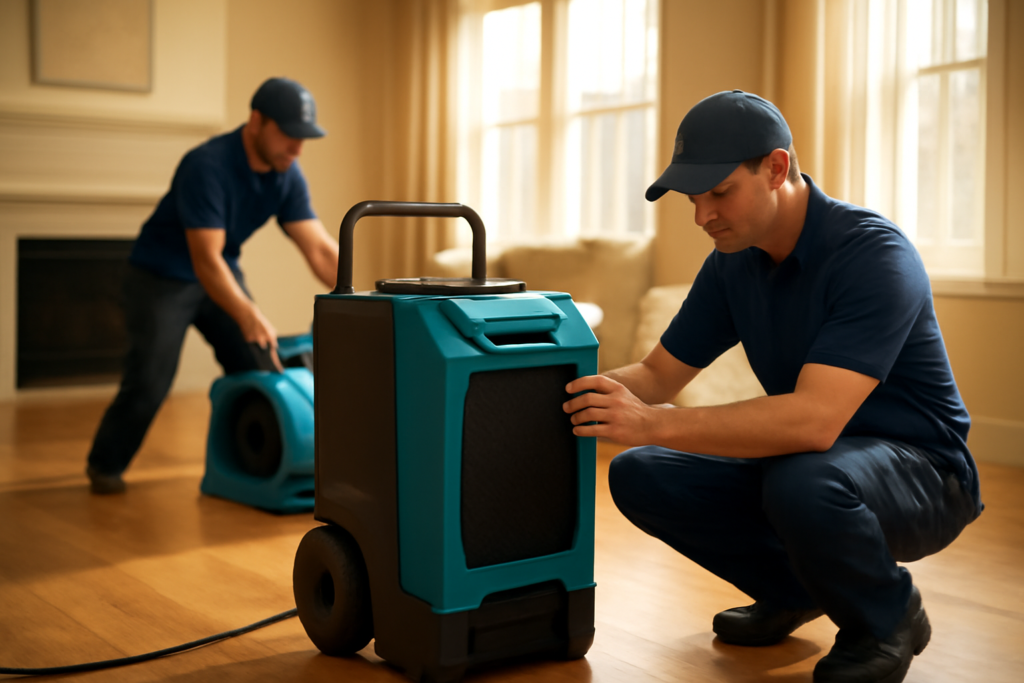
Insurance may cover trauma scene cleanup costs, but it’s not guaranteed and depends heavily on your specific policy and the circumstances of the event.
Understanding your homeowners insurance policy is key to knowing if trauma scene cleanup is a covered event.
TL;DR:
- Trauma scene cleanup is often covered by homeowners insurance, but policy specifics vary.
- Coverage usually applies to accidental death or injury, not suicide or crime scenes without specific riders.
- You’ll likely need to pay a deductible, and limits may apply to the claim payout amounts.
- Proper documentation and working with your insurance adjuster are essential steps.
- If unsure, consult your insurance provider or a restoration professional to understand your options.
Does Insurance Cover Trauma Scene Cleanup Costs?
Dealing with the aftermath of a traumatic event is incredibly difficult. The thought of professional cleanup might seem overwhelming, and the cost is a major concern. Many people wonder if their insurance policy will help ease this burden. The short answer is: sometimes, yes. But it’s not a simple yes or no. It hinges on the details of your policy and the nature of the incident.
We found that most standard homeowners policies might offer some coverage. However, this coverage often comes with specific conditions and exclusions. It’s vital to understand the nuances of your insurance contract before assuming cleanup costs are fully covered. This article aims to break down what you need to know.
Understanding Your Insurance Policy
Your homeowners insurance policy is a contract. It outlines what events are covered and what is not. When it comes to specialized cleanup like trauma scenes, the policy language is critical. Many policies cover accidental death or injury. This can include the necessary cleanup services. But, policies often have exclusions for intentional acts, suicide, or scenes related to criminal activity. These exclusions can significantly impact whether trauma scene cleanup is covered.
Many experts say that if the event leading to the cleanup was sudden and accidental, coverage is more likely. For instance, an accidental fall leading to injury might be covered. However, a suicide or a homicide scene often falls into a gray area. It’s always best to review your policy documents carefully. Look for sections on biohazard cleanup or special perils.
Biohazard Cleanup and Insurance
Trauma scene cleanup is a form of biohazard remediation. This involves dealing with bloodborne pathogens and other biological materials. The question of does homeowners insurance cover biohazard cleanup? is common. Generally, if the biohazard resulted from a covered peril, like an accident, the cleanup costs might be included. This is where the distinction between accidental and non-accidental events becomes crucial.
We found that some policies may require a specific endorsement or rider for comprehensive biohazard coverage. Without this, you might face out-of-pocket expenses. It’s a good idea to discuss potential biohazard coverage with your agent. They can clarify what your current policy includes and what might be added.
When Coverage Might Apply
Coverage is more probable for scenarios involving accidental bodily fluids resulting from an accident or unforeseen event. This could include:
- Accidental injuries at home that result in significant blood loss.
- Unattended death where decomposition leads to biohazard contamination.
- Accidents involving bodily fluids that require specialized cleaning.
In these situations, the cleanup is seen as a necessary step to restore your home to a safe condition. This aligns with the general purpose of homeowners insurance. Remember, prompt reporting is always advised.
When Coverage Might Not Apply
There are common scenarios where insurance coverage for trauma scene cleanup may be denied:
- Suicide scenes: Many policies exclude intentional acts, including self-harm.
- Homicide scenes: These are often considered criminal acts and may not be covered under standard policies.
- DIY cleanup: If you attempt cleanup yourself and cause further damage or exposure, insurance may not cover subsequent professional remediation.
- Lack of policy specifics: If your policy doesn’t explicitly mention biohazard or trauma cleanup, it might be excluded.
It’s important to avoid making assumptions about your coverage. Always verify with your insurance provider.
The Role of the Deductible
Even if your trauma scene cleanup is covered, you will likely have to pay a deductible. This is the amount you pay out-of-pocket before your insurance coverage kicks in. Deductibles can vary widely. They can range from a few hundred to several thousand dollars. This means that for smaller cleanup jobs, the cost might be less than your deductible. In such cases, paying out-of-pocket might be more practical than filing a claim.
We found that understanding your deductible is as important as understanding your coverage limits. It helps you gauge the true financial impact of a claim. This is true for any type of damage, including situations impacting water damage repair cost by room: a full breakdown.
Navigating the Claims Process
If you believe your situation is covered, the next step is to file a claim. This process requires careful documentation. You’ll need to inform your insurance company as soon as possible. They will likely assign an insurance adjuster to assess the damage and the necessity of the cleanup. Providing them with clear details and evidence is crucial.
It is essential to gather all relevant documentation. This can include photos, police reports (if applicable), and any initial assessments from cleanup professionals. This information will support your claim. The adjuster’s report will determine the extent of coverage and potential claim payout amounts. Understanding potential claim payout amounts depends on this assessment.
What Drives the Cost of Cleanup?
The cost of trauma scene cleanup can vary significantly. Several factors influence the final price. These include the extent of contamination, the size of the affected area, and the types of materials that need removal. Specialized equipment and hazardous waste disposal also add to the expense. The labor involved is also intensive, requiring trained technicians.
Understanding what drives the cost of water damage cleanup can also provide context for trauma scene costs. Both involve specialized remediation, requiring skilled professionals and specific protocols. The more complex the situation, the higher the cost will be. This is why checking your insurance adjuster visit is crucial for understanding your coverage.
When to Call Professionals
Trauma scene cleanup is not a DIY job. It poses serious health risks due to potential biohazards. Professional restoration companies have the training, equipment, and protective gear to handle these situations safely and effectively. They understand the protocols for disinfection and decontamination. They also know how to dispose of contaminated materials properly.
If you are facing a situation that requires trauma scene cleanup, your priority should be safety. Do not wait to get professional help. These professionals can also assist you in navigating the insurance claims process. They often have experience working with insurance companies and can provide estimates that align with industry standards. This can help manage expectations regarding claim payout amounts.
Checklist for Insurance Coverage Clarity
To get a clearer picture of your insurance coverage for trauma scene cleanup, consider these steps:
- Review your policy for specific exclusions or inclusions related to biohazard or trauma cleanup.
- Contact your insurance agent or company directly to ask clarifying questions.
- Inquire about any special riders or endorsements for biohazard remediation.
- Understand the amount of your deductible and how it applies to specialized cleaning services.
- Ask about the process for filing a claim and what documentation will be needed.
- Be prepared to discuss the specific circumstances of the event with your insurer.
Taking these steps can help you prepare for potential costs and claims.
The Importance of Professional Assessment
Before filing a claim, it’s often beneficial to get an assessment from a professional restoration company. They can evaluate the scope of the cleanup required. They can also provide a detailed estimate. This professional opinion can be invaluable when discussing your claim with your insurance adjuster. It ensures that all necessary aspects of the cleanup are considered.
We found that having a professional estimate can prevent underestimation of costs. This is true for various restoration services, from water damage to trauma scenes. It helps ensure that your claim accurately reflects the work needed. This can impact your claim payout amounts.
Conclusion
Determining if insurance covers trauma scene cleanup costs requires a close examination of your policy and the circumstances of the event. While standard homeowners insurance may offer some coverage, especially for accidental incidents, exclusions for intentional acts like suicide or crime scenes are common. Always review your policy, understand your deductible, and communicate openly with your insurance provider. For expert guidance on trauma scene cleanup and navigating insurance claims, consider reaching out to a trusted restoration service like Eden Prairie Restoration Pros. They can offer professional assessments and support during challenging times.
What is considered a “trauma scene” by insurance companies?
Insurance companies typically define a trauma scene as a location where a traumatic event has occurred, resulting in the presence of biological hazards like blood or bodily fluids that require professional cleanup. This often includes accidental injuries, unattended deaths, or sometimes even suicide or homicide, depending on policy specifics.
How quickly should I report a trauma scene cleanup need to my insurance?
You should report a trauma scene cleanup need to your insurance company as soon as possible. Prompt reporting is crucial for a smooth claims process and to ensure that the damage is assessed while in its current state, preventing further complications or potential denial of coverage.
Can I clean a trauma scene myself to save money?
It is strongly advised against cleaning a trauma scene yourself due to serious health risks associated with biohazards. Professionals have the necessary protective gear, training, and equipment to safely and effectively decontaminate the area. Attempting DIY cleanup could lead to health issues and may void insurance coverage for further damage.
What if my insurance denies the claim for trauma scene cleanup?
If your insurance company denies your claim for trauma scene cleanup, you have the right to appeal the decision. Review the denial letter carefully, gather any additional documentation or professional assessments that support your claim, and communicate with your insurer. You may also consider seeking advice from a public adjuster or an attorney specializing in insurance claims.
Are there different types of trauma scene cleanup covered by insurance?
Coverage can vary, but insurance policies are more likely to cover trauma scene cleanup resulting from accidental events, such as home accidents or unattended deaths, where biological hazards need remediation. Scenes related to suicides or homicides may be excluded or require specific policy endorsements, and understanding these differences is key.

Levi Lemieux is a licensed Damage Restoration Expert with more than 20 years of hands-on experience in disaster recovery and structural mitigation. As a seasoned industry authority, Levi has dedicated two decades to mastering the technical complexities of environmental safety, providing property owners with the reliable expertise and steady leadership required to navigate high-stress property losses with absolute confidence.
𝗖𝗲𝗿𝘁𝗶𝗳𝗶𝗰𝗮𝘁𝗶𝗼𝗻𝘀: Levi holds elite IICRC credentials, including Water Damage Restoration (WRT), Applied Structural Drying (ASD), Mold Remediation (AMRT), Fire and Smoke Restoration (FSRT), and Odor Control (OCT).
𝗙𝗮𝘃𝗼𝗿𝗶𝘁𝗲 𝗣𝗮𝘀𝘁𝗶𝗺𝗲: When off-site, Levi is a passionate mountain biker and an amateur astronomer, hobbies that reflect the endurance and precision he brings to every restoration project.
𝗕𝗲𝘀𝘁 𝗣𝗮𝗿𝘁 𝗼𝗳 𝘁𝗵𝗲 𝗷𝗼𝗯: He finds the most fulfillment in providing a clear path forward for families, turning a site of devastation back into a safe, comfortable home.