Crawl Space Moisture Problems In Rental Homes: Who Fixes It?
Trusted by 155+ Homeowners
Crawl space moisture problems in rental homes can be tricky. Determining who fixes them depends on the cause and lease terms.
Landlords are generally responsible for maintaining the property’s structure and habitability, which includes addressing issues like mold or rot caused by moisture. Tenants are typically responsible for damage caused by their own negligence or misuse.
TL;DR:
- Crawl space moisture in rentals is a landlord’s responsibility if it’s a structural issue.
- Tenant negligence causing moisture is usually their financial responsibility.
- Lease agreements often outline specific responsibilities.
- Ignoring moisture leads to mold, structural damage, and health risks.
- Professional restoration is often needed to properly fix the problem.
Crawl Space Moisture Problems in Rental Homes: Who Fixes It?
Discovering dampness, mold, or a musty smell in your rental home’s crawl space can be unsettling. You might wonder, “Who is responsible for fixing this?” This is a common question for both tenants and landlords, as crawl space moisture can lead to serious issues.
Understanding the Landlord’s Role
As a landlord, you have a duty to provide a safe and habitable living space. This means keeping the property in good repair. Crawl space moisture, especially if it stems from the building’s foundation, plumbing leaks within walls, or poor drainage around the property, often falls under your repair obligations. These are issues that affect the property’s overall integrity.
Structural Integrity and Habitability
When moisture in the crawl space causes wood rot, mold growth, or attracts pests, it impacts the home’s structure. This can make the property less safe and healthy. Research shows that prolonged dampness can weaken wooden beams and supports. Addressing these structural issues is a key part of maintaining habitability.
Preventing Further Damage
Your responsibility extends to taking steps to prevent the problem from worsening. This might involve ensuring proper grading around the foundation or repairing external water sources. Ignoring persistent moisture can lead to much larger, more expensive problems down the line. It’s about preventing costly future repairs.
Tenant Responsibilities and Moisture Issues
Tenants also have a role in maintaining the property. If the moisture problem is a direct result of your actions or negligence, you might be responsible for the restoration cost factors. This could include things like overflowing sinks, clogged drains that you failed to report, or improper use of appliances that led to water intrusion.
Accidental Damage and Negligence
Did you accidentally cause a pipe to burst? Or perhaps you left a window open during a severe storm, allowing water to flood the lower levels? These scenarios can shift the responsibility. It’s important to understand the difference between normal wear and tear and damage caused by misuse. Documenting any such incidents is always a good idea.
Reporting Issues Promptly
A crucial tenant responsibility is to report any maintenance issues to your landlord as soon as you notice them. Failing to report a leaky pipe or a persistent damp smell could be seen as negligence. Prompt reporting allows for timely intervention and can prevent minor issues from becoming major disasters.
The Lease Agreement: Your Guide
Your lease agreement is the most important document. It should clearly outline who is responsible for what concerning maintenance and repairs. Some leases are very specific about tenant responsibilities regarding minor upkeep and reporting. Others may be more general. Always review your lease carefully.
Key Lease Clauses to Check
Look for clauses related to:
- Reporting of leaks and damage
- Maintenance of plumbing and appliances
- Tenant-caused damage
- Landlord’s duty to maintain the structure
If your lease is unclear, it’s best to seek clarification from your landlord or a legal professional. This can help avoid disputes about repair obligations.
Common Causes of Crawl Space Moisture
Understanding why the crawl space is wet can help determine responsibility. Some common culprits include:
| Cause | Likely Responsible Party | Potential Issues |
|---|---|---|
| Foundation cracks or leaks | Landlord | Mold, rot, structural damage |
| Poor exterior drainage (grading, clogged gutters) | Landlord | Water intrusion, foundation damage |
| Plumbing leaks within walls or under the floor | Landlord | Mold, rot, high humidity |
| Condensation from unvented appliances or high humidity | Landlord/Tenant (depending on cause) | Mold, musty odors |
| Flooding from burst pipes (tenant-related) | Tenant | Extensive water damage, mold |
As you can see, the source of the moisture is key. This helps clarify water intrusion risks and who needs to act.
When to Call a Professional Restoration Service
Regardless of who pays, if you have significant crawl space moisture, mold, or water damage, it’s often best to call a professional restoration service. These experts have the tools and knowledge to properly assess the situation, remediate mold, and dry out the affected areas. They can help identify the source of the problem and provide solutions.
The Importance of Professional Drying
Simply wiping away moisture isn’t enough. Proper drying requires specialized equipment to remove all hidden moisture. This prevents mold growth and structural decay. Professionals understand how pros dry out a flooded home step-by-step and ensure the environment is safe.
Mold Remediation and Prevention
Mold is a serious health concern. If you see or smell mold, it needs professional attention. Restoration experts can safely remove mold and implement strategies to prevent its return. This is critical for the health of everyone in the home and for the long-term property preservation.
What Happens During a Water Damage Restoration?
When professionals tackle water damage, they follow a structured process. This typically involves:
Inspection and Assessment
First, they identify the extent of the damage and the source of the water. This is a critical first step. They’ll look for hidden moisture using specialized tools.
Water Removal
Powerful pumps and vacuums are used to remove standing water. This is done as quickly as possible to minimize damage. This is part of the water damage restoration steps: a complete guide.
Drying and Dehumidification
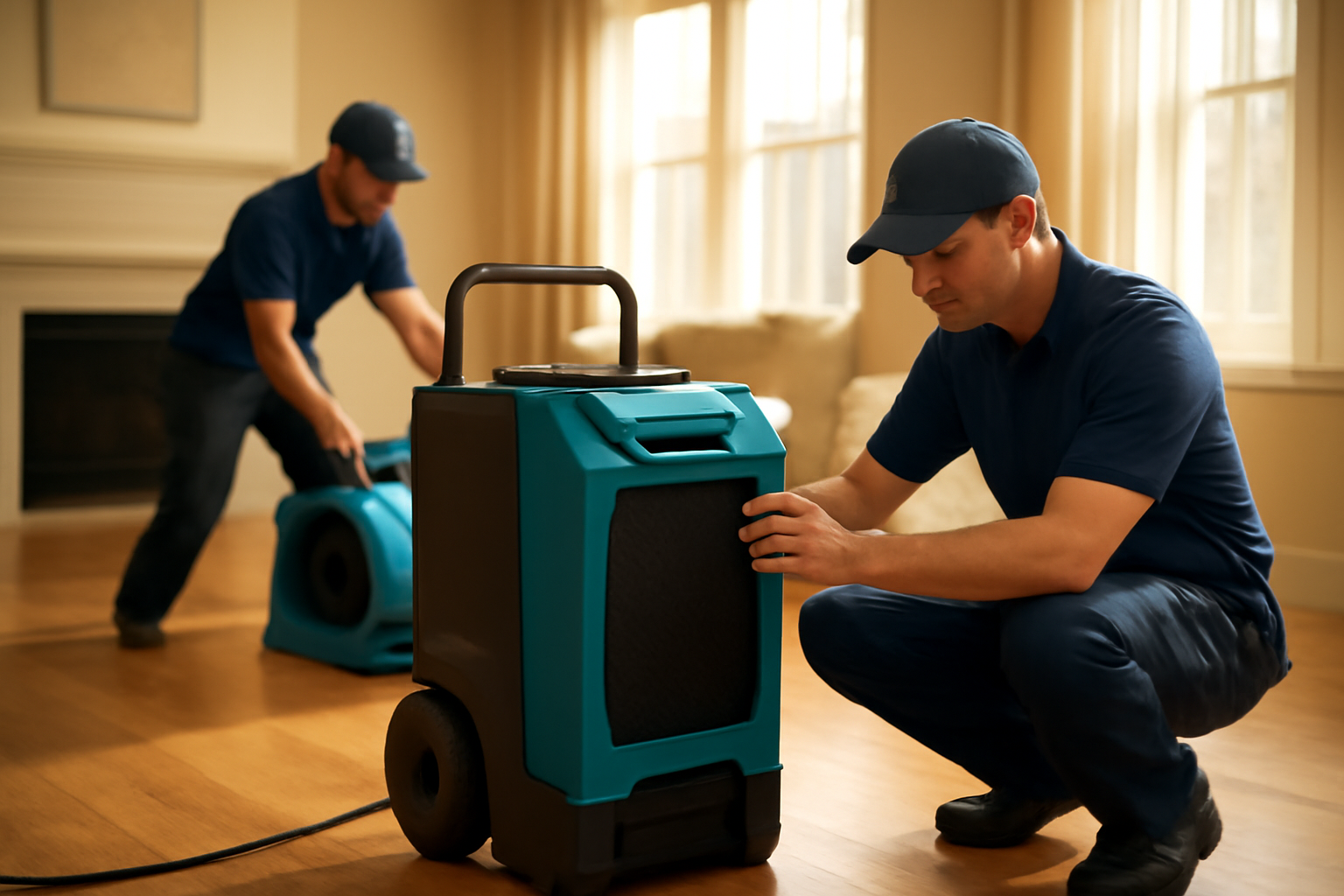
Industrial-grade fans and dehumidifiers are used to dry out materials like wood, drywall, and insulation. This is where specialized drying techniques come into play.
Mold Prevention and Remediation
If mold is present, it’s carefully removed. Anti-microbial treatments may be applied to prevent future growth. This ensures a safe living environment.
Odor Control
Musty smells are common with moisture issues. Professionals use equipment to neutralize these odors, leaving the home smelling fresh. This is part of restoring your home’s comfort.
Navigating the Repair Costs
Who pays for what can be a point of contention. Generally, landlords cover repairs related to the property’s structure and systems. Tenants cover damage resulting from their own actions. However, the specifics can depend on the lease and local laws. Understanding the repair costs involved and who is liable is essential.
Documentation is Key
For both parties, keeping detailed records is vital. Take photos and videos of the damage before any work begins. Save all invoices and receipts related to repairs. This documentation can be crucial if there are disagreements about restoration responsibility.
Seeking Legal Advice
If you and your landlord cannot agree on who is responsible for the repairs, consider seeking legal advice. Tenant-landlord laws vary by location. A legal professional can help you understand your rights and obligations. This is especially true when dealing with significant interior water damage.
Conclusion
Crawl space moisture in rental homes presents unique challenges. While landlords are typically responsible for structural issues and maintaining habitability, tenants must report problems promptly and avoid causing damage. Your lease agreement is your best guide. When faced with significant moisture, mold, or water damage, don’t wait to get help from qualified professionals. Eden Prairie Restoration Pros understands the complexities of water damage and can help assess and restore your property, ensuring a safe and healthy living environment for everyone.
What if I suspect mold in my crawl space?
If you see or smell mold, it’s important to address it immediately. Mold can cause serious health issues. Contact a professional restoration company for a thorough inspection and safe remediation. They can determine the extent of the mold and the best way to remove it, which is crucial for your health and safety.
Can a tenant be held responsible for a leaky pipe?
A tenant may be held responsible if the leaky pipe was caused by their negligence or misuse, such as improper installation or modification. However, if the pipe failed due to age or poor maintenance, the responsibility typically falls on the landlord. Documenting the situation is key to determining liability for repairs.
How often should a landlord inspect the crawl space?
There’s no set legal requirement for how often landlords must inspect crawl spaces, but regular inspections are part of maintaining the property’s condition. Many landlords conduct inspections during move-out/move-in or as part of routine maintenance checks, especially if they suspect potential issues.
What are the health risks of crawl space moisture?
Crawl space moisture creates an ideal environment for mold and mildew growth. These fungi can release spores into the air, leading to respiratory problems, allergies, asthma flare-ups, and other serious health risks. Damp environments can also attract pests.
Should I try to dry out the crawl space myself?
For minor condensation, some basic ventilation might help. However, for significant moisture, mold, or water intrusion, DIY drying is often insufficient and can be dangerous. Professionals have the specialized equipment and expertise to properly dry out a space and prevent secondary damage. It’s always best to call a professional right away for significant issues.