
Can A Home Be Condemned Due To Water Damage?
Trusted by 155+ Homeowners
Can a home be condemned due to water damage? Yes, severe water damage can lead to a home being condemned if it becomes structurally unsound or poses significant health risks.
Condemnation means the property is deemed unfit for habitation by local authorities. This usually happens after extensive damage that makes repairs impractical or too costly.
TL;DR:
- Severe water damage can indeed lead to a home being condemned.
- Condemnation happens when a property is structurally unsafe or a health hazard.
- Early detection and professional restoration are key to preventing extreme damage.
- Factors like mold growth, structural compromise, and electrical hazards contribute to condemnation risk.
- Prompt action and thorough repairs are essential to save your home.
Can a Home Be Condemned Due to Water Damage?
It’s a question that strikes fear into the heart of any homeowner. When water damage strikes, you worry about repairs, costs, and the mess. But what about the worst-case scenario? Can a home be condemned because of water damage? The short answer is yes, it absolutely can.
This happens when the damage is so severe that the property is deemed unsafe or unhealthy for anyone to live in. Local building officials have the authority to condemn a property. This forces owners to either make extensive repairs or face demolition. It’s a drastic measure, but one taken to protect public safety.
Understanding Property Condemnation
Property condemnation is essentially a legal declaration. It states that a building is unfit for occupancy. This decision is usually made by a city or county building department. They assess the property for safety violations and structural integrity.
Water damage is a primary culprit. It can weaken building materials over time. It can also create hazardous conditions. These conditions can range from mold infestations to compromised electrical systems. Many homeowners face serious health risks if they live in a damaged home.
When Does Water Damage Become That Serious?
Not every leaky faucet leads to condemnation. The damage must reach a critical level. This often involves prolonged exposure to moisture. It could also be from a single catastrophic event, like a major flood.
Think of it like a slow leak versus a burst pipe. A slow leak might cause minor issues initially. But over months or years, it can lead to widespread rot and mold. A burst pipe can cause immediate, severe damage throughout your home.
Key Factors Leading to Condemnation
Several factors contribute to a home being condemned due to water. These often overlap and create a domino effect of destruction. Understanding these can help you identify potential dangers early.
Structural Integrity Compromised
Water is a relentless enemy of wood. It causes wood to rot, warp, and lose its strength. When foundational beams, floor joists, or wall studs are extensively damaged, the entire structure can become unstable. This is a major red flag for safety officials.
Imagine a house with rotting support beams. It’s like a body with failing bones. The risk of collapse becomes very real. This is why structural integrity is a top concern. We found that even seemingly minor water intrusion can lead to big problems over time.
Extensive Mold Growth
Mold loves moisture. When water damage isn’t addressed promptly, mold colonies can flourish. Some molds produce toxins that are harmful to human health. Large-scale mold infestations can make a home uninhabitable.
You might notice a musty smell in your home. This is often an early sign of mold. If left unchecked, this can spread rapidly. The mold growth risk is significant. This is a key reason why prompt drying and cleanup are vital.
Electrical Hazards
Water and electricity are a dangerous mix. Water can seep into electrical outlets, wiring, and appliances. This can cause short circuits, fires, or electrocution hazards. Damaged electrical systems are a serious safety concern.
If water has saturated your walls or floors, your electrical system could be compromised. This presents an immediate danger. It’s essential to have a qualified electrician inspect the system. You should call a professional right away if you suspect electrical damage.
Contaminated Water Sources
If your water damage comes from sewage backup or floodwaters, contamination is a major issue. These sources can carry bacteria, viruses, and other pathogens. The contaminated water can permeate porous materials like drywall and carpets.
Cleaning up contaminated water requires specialized procedures. Standard cleaning methods may not be enough. The presence of harmful contaminants poses a direct threat to health. This is why it’s critical to address it.
What About Less Severe Water Damage?
It’s important to remember that not all water damage leads to condemnation. Minor leaks, like a small drip from a pipe under a sink, are usually manageable. You might be dealing with issues like stained ceilings or damp carpets.
However, even seemingly minor issues can escalate. It’s wise to investigate the source of any water intrusion. For example, understanding pipe leak causes is important. Ignoring small problems can lead to bigger ones down the line.
The Role of Plumbing Failures
Many water damage incidents stem from plumbing failures. Old pipes can corrode and burst. Faulty seals on appliances like washing machines can fail. These events can release large amounts of water quickly.
These types of plumbing failures can cause significant damage. They often require immediate attention. Getting professional help ensures the problem is fixed correctly.
Roof Leaks and Their Impact
Your roof is your home’s first line of defense against the elements. When it fails, water can enter your attic and spread downwards. A persistent roof leak can lead to mold, rot, and structural damage in the ceiling and walls.
The roof leak connection to interior damage is often underestimated. Water can travel surprising distances within your home’s structure. Addressing roof water damage promptly is crucial.
Appliance Malfunctions
Sometimes, the source of water damage isn’t a natural disaster or a faulty pipe. It can be a malfunctioning appliance. Washing machines, dishwashers, and refrigerators with ice makers can all spring leaks. These leaks can go unnoticed for a while.
These leaks can happen suddenly. They can cause sudden, widespread flooding. It’s another example of why similar concerns apply to various water sources. You can find additional context here about less obvious causes.
Preventing Condemnation: Act Fast!
The best way to avoid having your home condemned is to act quickly. Early detection and professional intervention are key. The longer water sits, the more damage it can cause.
Don’t wait to get help. Address any signs of water damage immediately. This includes visible leaks, damp spots, or that telltale musty odor.
| Type of Water Damage | Potential for Condemnation | Action Needed |
|---|---|---|
| Minor Leak (e.g., faucet drip) | Low | Repair promptly, dry affected area. |
| Appliance Leak (e.g., washing machine hose) | Medium | Stop water source, dry thoroughly, inspect for mold. |
| Roof Leak (persistent) | Medium to High | Repair roof, dry attic and ceiling, check for structural damage. |
| Sewage Backup/Flood | High | Professional cleanup and restoration required immediately. |
| Extensive Structural Rot | Very High | Requires extensive structural repair; professional assessment vital. |
The Importance of Professional Restoration
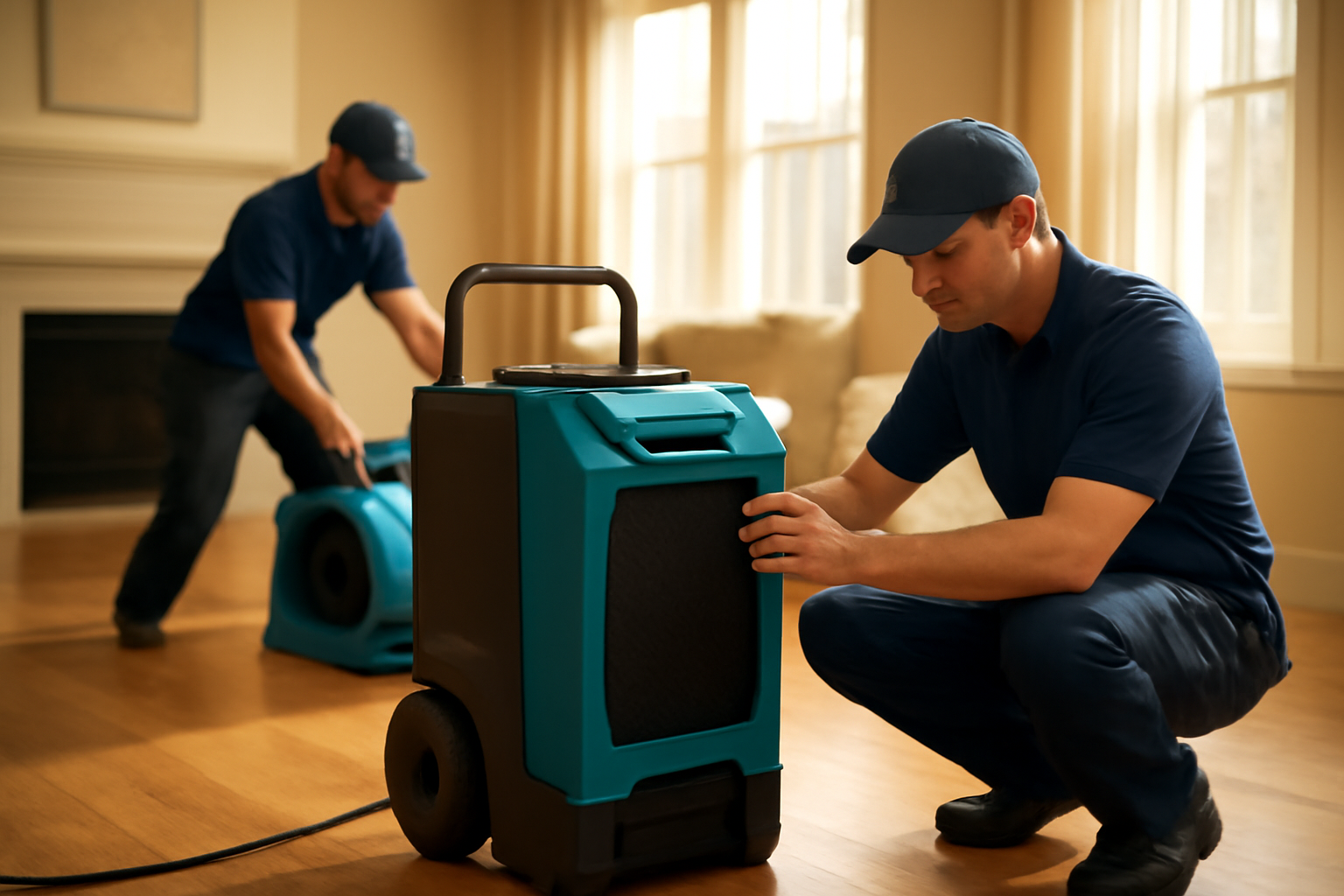
While DIY can handle small issues, extensive water damage requires professionals. Restoration companies have the equipment and expertise. They can effectively remove water, dry out materials, and prevent further damage.
They can also identify hidden moisture. This is crucial for preventing future problems like mold. This is where you can get expert advice today.
Health Risks of Living in Damaged Homes
Beyond structural issues, water damage poses significant health risks. Mold spores can trigger allergies and respiratory problems. Contaminated water can spread bacteria and viruses.
Ignoring these issues means exposing yourself and your family to potential harm. Understanding the health dangers involved is critical. The health risks present are not to be taken lightly.
What to Do If You Suspect Major Damage
If your home has experienced significant water damage, don’t delay. Your first step should be to ensure everyone’s safety. If there are electrical hazards or structural concerns, evacuate the area.
Then, contact a professional restoration service immediately. They can assess the damage, provide a plan, and begin the restoration process. This is your best chance to prevent further deterioration.
A Checklist for Water Damage Emergencies
Here’s a quick checklist if you’re facing a water emergency:
- Assess Safety: Ensure the area is safe to enter. Check for electrical hazards.
- Stop the Source: If possible, turn off the water supply.
- Document Damage: Take photos or videos for insurance purposes.
- Contact Professionals: Call a water damage restoration company immediately.
- Remove Water: Begin removing standing water if safe to do so.
- Dry Everything: Ensure all affected materials are thoroughly dried.
Conclusion
While the thought of a home being condemned due to water damage is alarming, it is a real possibility in cases of severe neglect or catastrophic events. The key takeaway is that prompt action is your greatest ally. Addressing water damage early can save your home from becoming structurally unsound or a health hazard. If you’re facing water damage, especially extensive damage, remember that professional help is available. Eden Prairie Restoration Pros understands the urgency and complexity of these situations and can guide you through the restoration process to help preserve your home.
What are the first signs of condemned property?
The first signs often include official notices from the city or county building department. You might see red tags or notices posted on the property. Internally, you might notice severe structural issues, widespread mold, or foul odors that indicate the property is unsafe.
How long does it take for water damage to cause condemnation?
There’s no set timeline. It depends on the severity of the water intrusion, the materials affected, and whether repairs are made. Prolonged, unaddressed damage, especially from leaks or floods, can lead to condemnation within months or years.
Can insurance help if my home is condemned?
Insurance policies typically cover the cost of repairing damage caused by covered events. If water damage leads to condemnation, your insurance may cover the restoration costs needed to make the home habitable again. However, coverage details vary by policy.
What is the difference between condemned and uninhabitable?
Uninhabitable means a property is not fit to live in, often due to temporary issues like lack of utilities or minor damage. Condemned is a more permanent legal status, declaring the property unfit and often requiring demolition or major reconstruction.
Who pays for repairs if a home is condemned?
Typically, the property owner is responsible for the cost of repairs. If the condemnation is due to a covered event under your homeowner’s insurance, the insurance company will likely cover the necessary repairs up to your policy limits.