
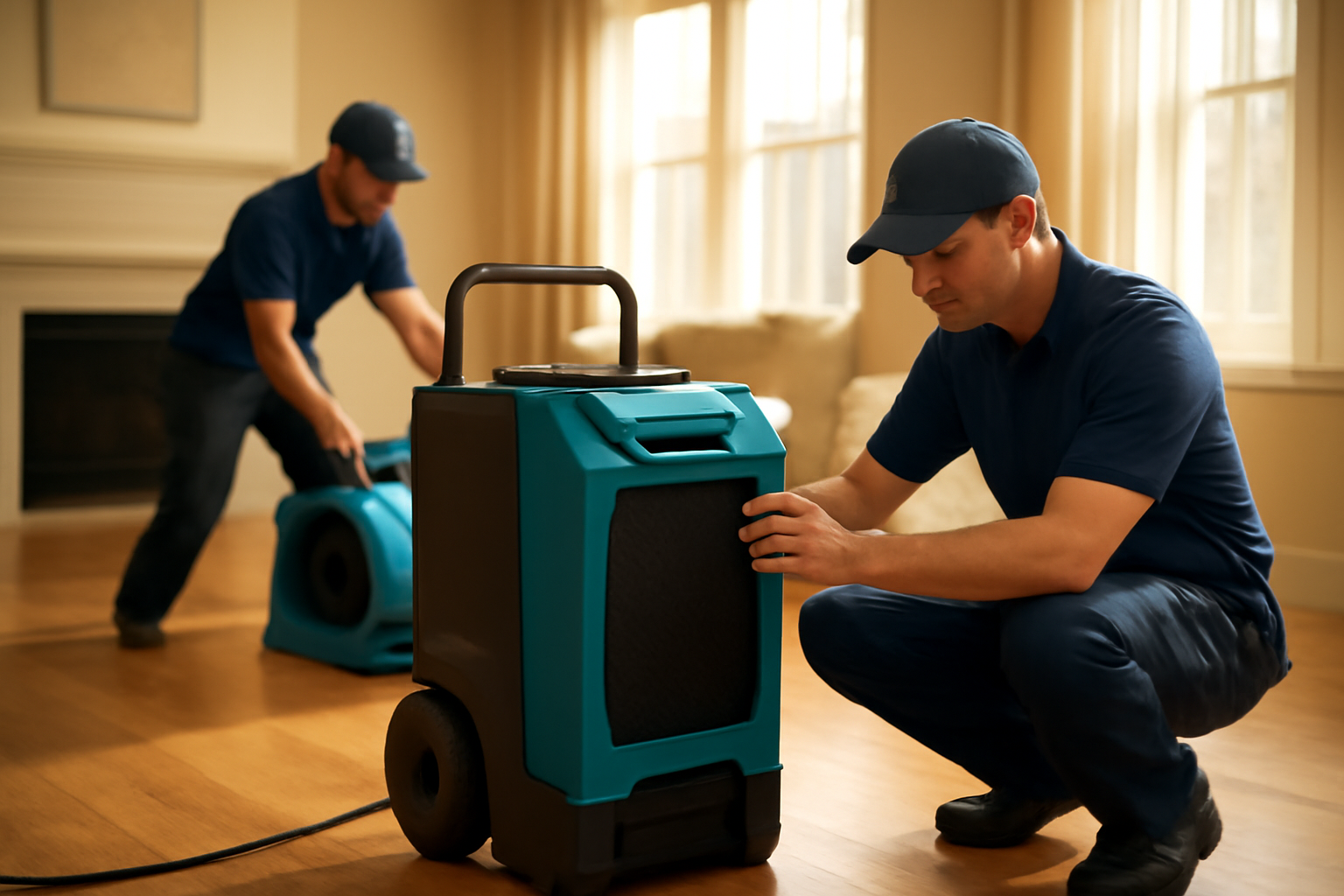
Basement Waterproofing Cost: Interior Vs Exterior
Trusted by 155+ Homeowners
Basement waterproofing cost depends on interior vs. exterior methods. Exterior solutions are generally more expensive but offer long-term protection. Interior solutions are often more budget-friendly upfront.
Understanding the difference in basement waterproofing cost is key to protecting your home. We’ll break down what you can expect for both interior and exterior approaches.
TL;DR:
- Exterior waterproofing is pricier but addresses the source of water intrusion.
- Interior waterproofing is more affordable but manages water after it enters.
- Costs vary based on your home’s specific needs and the chosen method.
- DIY can save money but professional work ensures lasting results.
- Consider both upfront and long-term costs for the best investment.
Basement Waterproofing Cost: Interior vs. Exterior
So, you’ve noticed some dampness in your basement. Maybe it’s a musty smell or visible water stains. It’s a common problem, and you’re wondering about the basement waterproofing cost. It really boils down to two main approaches: interior and exterior waterproofing. Each has its own price tag and benefits.
What Influences Basement Waterproofing Costs?
Before we dive into interior vs. exterior, let’s look at what makes the price go up or down. Your home’s unique situation is a big factor. Things like the size of your basement, the severity of the water problem, and the type of soil around your foundation all play a role. We found that accessibility for workers also impacts the labor costs. If the area is hard to reach, it will likely cost more.
Soil Type and Drainage
Clay soil, for instance, holds water. This can increase hydrostatic pressure against your basement walls. Poor yard drainage also means more water pushing towards your foundation. These conditions often require more robust solutions.
Foundation Type and Age
Older homes might have foundations that are more prone to leaks. The materials used in your foundation also matter. Concrete, block, and stone foundations can all have different vulnerabilities.
Exterior Basement Waterproofing: The Shield Approach
Think of exterior waterproofing as building a fortress around your basement. The goal is to stop water from ever reaching your foundation walls. This is usually done by excavating around the exterior of your home.
How It Works
Crews dig down to the foundation footing. Then, they clean the walls and apply a waterproof membrane. They might also install or improve a drainage system, like a French drain, at the base of the wall. This redirects water away from your home.
Pros and Cons
The biggest pro? It addresses the root cause of the water intrusion. It’s often considered the most effective long-term solution. The cons? It’s significantly more expensive. It involves extensive excavation, which can be disruptive. We found that exterior waterproofing costs can range from $5,000 to $20,000 or more, depending on the scale.
When Is It Necessary?
This method is best for persistent, severe water problems. It’s ideal if you have significant hydrostatic pressure or if interior methods haven’t worked. It can also be a good idea when you’re doing other exterior renovations, like landscaping.
Interior Basement Waterproofing: The Defense Line
Interior waterproofing focuses on managing water after it has already found its way through or under your foundation walls. It’s more about controlling and redirecting water inside your basement.
Common Interior Methods
Several techniques fall under this umbrella. One common method is installing an interior drainage system. This involves cutting a channel around the perimeter of your basement floor. A drainpipe is laid in the channel, and then covered with gravel and concrete. Water that seeps through the walls or floor collects in the pipe and is directed to a sump pump, which then pumps it out and away from your home.
Another approach is applying waterproof sealants or paints to the interior walls. While these can help with minor dampness, they are not a solution for serious leaks. We found that sealants are best for very light moisture, not for active water intrusion.
Pros and Cons
The main advantage of interior waterproofing is its lower cost. It’s generally much more affordable than exterior work. It’s also less disruptive to your yard and landscaping. However, it doesn’t stop water from reaching your foundation. This means the foundation itself is still exposed to moisture, which can lead to long-term damage over time. The repair costs involved for interior systems can be significantly less upfront, often ranging from $2,000 to $7,000.
When Is It a Good Choice?
Interior waterproofing is a good option for managing moderate basement dampness. It’s also suitable when exterior excavation is not feasible due to landscaping, decks, or neighboring property lines. If you’re looking for a more budget-friendly solution, this might be your answer.
Cost Comparison Table
To make it easier, let’s look at a general comparison. Keep in mind these are estimates and your specific situation will vary.
| Method | Typical Cost Range | Primary Benefit | Primary Drawback |
|---|---|---|---|
| Exterior Waterproofing | $5,000 – $20,000+ | Stops water before it reaches foundation | High cost, disruptive excavation |
| Interior Drainage System | $2,000 – $7,000 | Manages water, more affordable | Doesn’t stop water at the source |
| Interior Sealants/Paints | $500 – $2,000 | Very low cost, easy application | Only for minor dampness, not leaks |
DIY vs. Professional Waterproofing
Some homeowners consider a DIY approach to save money. For simple tasks like applying sealants, it might be possible. However, for drainage systems or exterior excavation, professional help is usually needed. We found that DIY waterproofing can be risky if not done correctly. Improper installation can lead to bigger problems and higher repair costs down the line.
When to Call a Professional
If you’re dealing with standing water, cracks in your foundation, or persistent musty odors, it’s time to call a pro. Professionals have the expertise and equipment to diagnose the problem accurately. They can recommend the most effective solution for your home. They also offer warranties on their work.
Other Water Damage Considerations
Waterproofing is just one part of keeping your basement dry. Other issues can lead to water damage. For example, problems with your roof can cause water to seep down into your home. You might need to consider how much does roof leak repair and damage restoration cost. Even issues in your attic can sometimes lead to water problems elsewhere. Understanding attic water damage: causes, signs, and what it costs is also important.
Winter weather can bring its own set of water damage challenges. Things like ice dams and burst pipes require immediate attention. You can learn more about winter water damage: ice dams and pipe bursts. If you’re facing a flooded basement, knowing how much does basement flood cleanup cost is essential.
Making the Right Choice for Your Home
Choosing between interior and exterior basement waterproofing involves balancing cost, effectiveness, and disruption. For minor dampness, interior solutions might suffice. For serious water intrusion, exterior methods offer superior long-term protection. It’s also worth considering if upgrades like impact-resistant roofing: is it worth the cost? could prevent future water issues.
Key Questions to Ask Yourself
What is the extent of the water problem? How much are you willing to spend now versus long-term? How much disruption can your household tolerate? Answering these will guide you toward the right solution.
Next Steps for a Dry Basement
Don’t let basement water problems linger. They can lead to mold growth and structural damage. Taking action now can save you a lot of headaches and money later. You need to schedule a professional inspection to get a clear picture.
Checklist for Basement Waterproofing Decisions
- Assess the visible signs of water intrusion.
- Determine if the problem is dampness or active leaks.
- Get quotes for both interior and exterior solutions.
- Understand the warranty offered by contractors.
- Consider the long-term impact on your foundation’s health.
- Act before the problem worsens and affects your home’s structure.
Conclusion
Protecting your home from water damage is a smart investment. Whether you choose interior or exterior basement waterproofing, the goal is a dry, healthy living space. Understanding the costs and benefits of each approach helps you make an informed decision. For expert guidance and reliable solutions in the Eden Prairie area, Eden Prairie Restoration Pros is your trusted resource for all your restoration needs.
What is the average cost of basement waterproofing?
The average cost can range widely, typically from $2,000 for interior sealants to $20,000 or more for full exterior excavation and waterproofing. The exact price depends heavily on the methods used and the complexity of your home’s specific water issues.
Is exterior basement waterproofing always better?
Exterior waterproofing is generally considered more effective for long-term protection because it stops water before it reaches your foundation. However, “better” depends on your budget, the severity of the problem, and site limitations. Interior systems are a viable and often necessary alternative.
How long does basement waterproofing last?
Well-installed exterior waterproofing systems can last for decades, often 20-25 years or more. Interior drainage systems typically have a lifespan of 10-15 years, though the sump pump will need periodic replacement. Sealants may need reapplication every few years.
Can I waterproof my basement myself?
For minor dampness and applying sealants, some DIY is possible. However, complex interior drainage systems or any exterior excavation work require professional expertise and equipment. Mistakes in DIY waterproofing can lead to more costly repairs.
What are the signs I need basement waterproofing?
Signs include visible water on walls or floors, musty odors, mold or mildew growth, efflorescence (white powdery deposits on walls), damp or wet carpet, and foundation cracks that are leaking water. Even small amounts of dampness warrant investigation.