
Trusted by 155+ Homeowners
How Do Pros Decide What To Tear Out After Water Damage?
- Over 157 5-Star Reviews
- Free Estimates and Quotes
- 100% Satisfaction Guaranteed
- Child, Family & Pet Safe Steps
- 24-Hour Emergency Service
- Fully Licensed & Insured
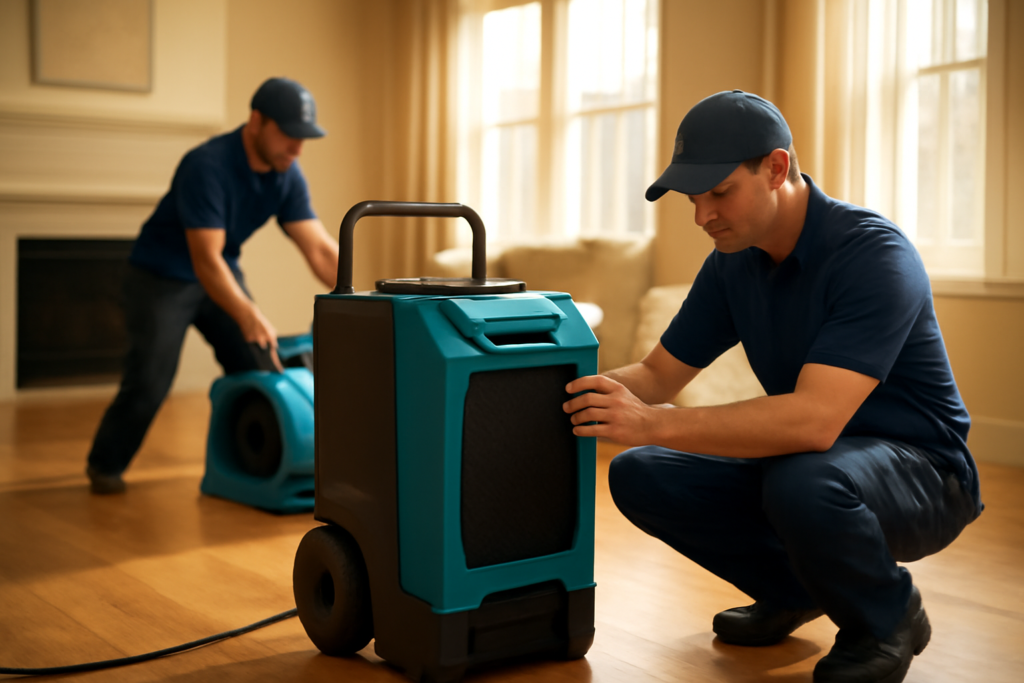
Pros decide what to tear out after water damage by assessing the material’s porosity and saturation level. They look for structural integrity and signs of mold.
The goal is to save what’s salvageable while preventing further damage and health risks. This often involves careful evaluation and quick action.
TL;DR:
- Pros use moisture meters and their expertise to determine saturation.
- Porous materials like drywall and carpet are often removed.
- Non-porous materials like tile and some plastics can often be saved.
- Structural integrity and mold growth are key factors in removal decisions.
- Prompt professional assessment is vital to prevent long-term issues.
How Do Pros Decide What to Tear Out After Water Damage?
When water invades your home, it can cause a lot of confusion. You might wonder what can be saved and what needs to go. This is where professional restoration experts come in. They have the tools and knowledge to make tough calls.
Pros decide what to tear out after water damage by looking at a few key things. They consider how wet something is. They also think about what it’s made of. Then they check for any damage to its structure. This helps them make the best plan.
Understanding Porosity: The Key Factor
One of the biggest factors in deciding what to remove is porosity. Think of it like a sponge. Some materials soak up water easily and are hard to dry completely. Others are more like a sealed container.
Porous materials include things like drywall, insulation, and carpet. Once these get soaked, they can hold moisture deep inside. This makes them a breeding ground for mold and can weaken their structure. We found that these are often the first items slated for removal.
Porous vs. Non-Porous Materials
Porous materials are like sponges. They absorb water and are difficult to dry. Examples include:
- Drywall
- Carpet and padding
- Unfinished wood
- Insulation
- Upholstered furniture
Non-porous materials resist water absorption. They can often be cleaned and dried. Examples include:
- Tile and grout
- Hardwood floors (depending on finish)
- Metal
- Glass
- Sealed plastics
Saturation Levels and Drying Potential
Beyond just being porous, how wet something is matters. Restoration pros use specialized moisture meters. These tools can measure the water content within materials. This helps them understand the true extent of the damage.
If a material is saturated and unlikely to dry properly without damage, removal is often necessary. This is an important consideration for preventing long-term problems. It’s a tough decision, but a necessary one.
Assessing Structural Integrity and Safety
Water can do more than just make things wet. It can weaken the very structure of your home. This is a serious concern that pros always assess.
They look for signs of structural compromise. This could be sagging ceilings, warped floors, or weakened walls. If the structural integrity is compromised, removal is almost always the answer. Safety is always the top priority.
The Hidden Dangers: Mold Growth Risk
One of the most significant risks after water damage is mold. Mold can start to grow within 24-48 hours. It thrives in damp, dark environments.
If materials are removed quickly, the opportunity for mold growth is reduced. If they are left wet for too long, the mold growth risk increases dramatically. This is why prompt action is so important.
When Mold is Already Present
Sometimes, mold is already visible or suspected. In these cases, the material must be removed. This is not just about water damage anymore. It becomes a mold remediation issue.
The goal is to prevent spores from spreading throughout your home. This is where the mold after moisture discussion becomes critical. Professionals have containment strategies to handle this safely.
Common Items That Often Need Removal
Based on porosity and the potential for secondary damage, certain items are frequently removed. This helps ensure a complete and effective restoration.
Carpeting and its padding are often removed. They are highly absorbent and difficult to dry thoroughly. Wet carpet can also hide mold and bacteria. It’s a health danger involved if left untreated.
Drywall and Insulation Woes
Drywall is another common culprit. Once it becomes saturated, it loses its structural integrity. It can become soft, crumbly, and a perfect place for mold to grow.
Similarly, insulation, especially fiberglass or cellulose, soaks up water. It becomes heavy, loses its insulating properties, and is very hard to dry. Removing wet insulation is often necessary to prevent mold and structural issues.
Wood and Subflooring Concerns
While some finished wood might be salvageable, unfinished wood and subflooring are more problematic. Water can cause wood to warp, swell, and rot.
If the subfloor is significantly damaged or contaminated, it will need to be replaced. This is a more involved repair, but essential for a stable foundation.
When Materials Can Be Saved
Not everything is a lost cause when water damage strikes. Restoration pros work hard to salvage what they can.
Hard, non-porous surfaces like tile, laminate, and sealed hardwood floors can often be saved. They can be thoroughly cleaned, dried, and disinfected. This saves you money and keeps more of your home intact.
Salvaging Cabinets and Fixtures
Kitchen and bathroom cabinets, especially if they are well-sealed, might be salvageable. Pros can often dry them out and prevent warping. They will check the particleboard or plywood interiors carefully.
Metal fixtures, plumbing components, and even some types of plastic can usually withstand water exposure without being ruined. They are cleaned and checked for functionality.
The Role of Hidden Plumbing Leaks
Understanding the source of the water is key. If the damage stems from plumbing failures, addressing the leak is the first step. Then, the affected materials are assessed.
Sometimes, the leak is minor, and only surface drying is needed. Other times, it means extensive pipe repair and then restoration work.
Roof Leaks and Their Impact
Water damage can also originate from above. A roof leak connection can lead to attic insulation and ceiling damage.
Pros will assess how far the water has traveled. They check for saturation in ceiling materials and any structural beams. Depending on the extent, parts of the ceiling or insulation may need removal.
The Restoration Process: A Quick Look
Once the decision is made about what to remove, the restoration process begins. This involves several steps to bring your home back to normal.
First, the water is extracted. Then, drying equipment like air movers and dehumidifiers are used. This is a critical phase to prevent further damage and mold. We found that adequate drying takes time and the right equipment.
Cleaning and Sanitizing
After drying, all affected surfaces are cleaned and sanitized. This removes any contaminants and ensures a healthy environment. It’s vital to eliminate any lingering odors or bacteria.
This step is particularly important for areas that were not removed. It helps make sure everything is safe for your family.
Rebuilding and Restoration
Finally, the rebuilding phase begins. This involves installing new drywall, flooring, insulation, and any other materials that were removed.
The goal is to restore your home to its pre-loss condition. This stage requires skilled professionals to ensure everything is done correctly.
Conclusion
Deciding what to tear out after water damage is a complex process. It requires expert knowledge of materials, moisture detection, and structural assessment. Professionals at Eden Prairie Restoration Pros are trained to make these critical decisions. They balance saving what they can with ensuring your home is safe and healthy. Their expertise helps prevent long-term issues like mold and structural decay, guiding you through the entire restoration journey.
What is the first sign of water damage to look for?
The first signs often include visible water stains, dampness, or a musty odor. You might also notice peeling paint or wallpaper, or warped flooring. Don not wait to get help if you see any of these.
Can you dry out wet drywall?
In some very minor cases, if drywall is only slightly damp and not saturated, it might be possible to dry it. However, drywall is porous and easily damaged. Often, it needs to be removed to prevent mold and structural issues. Call a professional right away for an assessment.
How long does it take for mold to grow after water damage?
Mold can begin to grow in as little as 24 to 48 hours after water damage occurs. This is why quick action is essential. The sooner water is removed and surfaces are dried, the lower the mold growth risk.
What happens if water damage is left untreated?
If water damage is left untreated, it can lead to serious structural damage, widespread mold growth, and significant health problems. Materials will continue to degrade, and the cost of repairs will increase substantially. It is a health danger involved in many ways.
Is it safe to stay in a home with water damage?
It depends on the severity. Minor leaks might be manageable while repairs are planned. However, significant water damage can pose serious risks, including mold exposure and electrical hazards. Act before it gets worse and consider temporary relocation if advised by professionals.

Levi Lemieux is a licensed Damage Restoration Expert with more than 20 years of hands-on experience in disaster recovery and structural mitigation. As a seasoned industry authority, Levi has dedicated two decades to mastering the technical complexities of environmental safety, providing property owners with the reliable expertise and steady leadership required to navigate high-stress property losses with absolute confidence.
𝗖𝗲𝗿𝘁𝗶𝗳𝗶𝗰𝗮𝘁𝗶𝗼𝗻𝘀: Levi holds elite IICRC credentials, including Water Damage Restoration (WRT), Applied Structural Drying (ASD), Mold Remediation (AMRT), Fire and Smoke Restoration (FSRT), and Odor Control (OCT).
𝗙𝗮𝘃𝗼𝗿𝗶𝘁𝗲 𝗣𝗮𝘀𝘁𝗶𝗺𝗲: When off-site, Levi is a passionate mountain biker and an amateur astronomer, hobbies that reflect the endurance and precision he brings to every restoration project.
𝗕𝗲𝘀𝘁 𝗣𝗮𝗿𝘁 𝗼𝗳 𝘁𝗵𝗲 𝗷𝗼𝗯: He finds the most fulfillment in providing a clear path forward for families, turning a site of devastation back into a safe, comfortable home.