Why Is Water Damage So Expensive To Fix?
Trusted by 155+ Homeowners
Water damage is expensive to fix because it often involves hidden issues and extensive repair work.
The overall repair costs involved can escalate quickly due to mold growth, structural damage, and the need for professional restoration services.
TL;DR:
- Hidden moisture leads to mold and structural issues.
- Professional drying and remediation are essential.
- Materials like drywall, insulation, and flooring must often be replaced.
- Drying and dehumidifying a home takes time and specialized equipment.
- Ignoring water damage leads to bigger, more expensive problems.
Why Is Water Damage So Expensive to Fix?
It’s a question many homeowners ask when faced with a water-related disaster. You might think it’s just about drying things out. But the reality is often much more involved. The true cost of water damage stems from a combination of factors. These can turn a seemingly simple leak into a major renovation project.
The Hidden Enemy: Moisture and Mold
Water doesn’t always stay where you see it. It can seep into walls, floors, and ceilings. This hidden moisture is a breeding ground for mold. Mold can start growing within 24 to 48 hours. It’s not just unsightly; it poses serious health risks. Removing mold and ensuring the area is completely dry requires specialized knowledge. This is a key reason for the high restoration cost factors.
Mold’s Costly Consequences
Once mold takes hold, it can spread rapidly. It contaminates air quality. It also degrades building materials. Remediation involves not just cleaning visible mold. It means identifying and removing all affected materials. This often includes drywall, insulation, and even wooden structures. This extensive work adds significantly to the repair costs involved.
Structural Integrity at Risk
Water can weaken the very bones of your home. Wood can warp, rot, or lose its strength. Plaster and drywall can become soft and crumbly. Even concrete can be damaged over time. Addressing structural issues is critical for safety. It also requires skilled labor and specialized materials. This is a major contributor to the overall repair costs involved.
The Ripple Effect of Water
Think of water like a relentless force. It finds every tiny crack and crevice. What might start as a small leak can travel far. It can damage areas you didn’t even know were affected. This widespread damage means more extensive repairs. It’s why we stress the importance of acting fast.
The Need for Professional Restoration
While DIY might seem tempting, water damage cleanup is often beyond the scope of a weekend warrior. Professionals have the specialized equipment. They have the training to handle the situation safely and effectively. They can identify all affected areas. They know how to properly dry and restore your home. Understanding what happens during a water damage restoration is key to appreciating the cost.
Specialized Drying Techniques
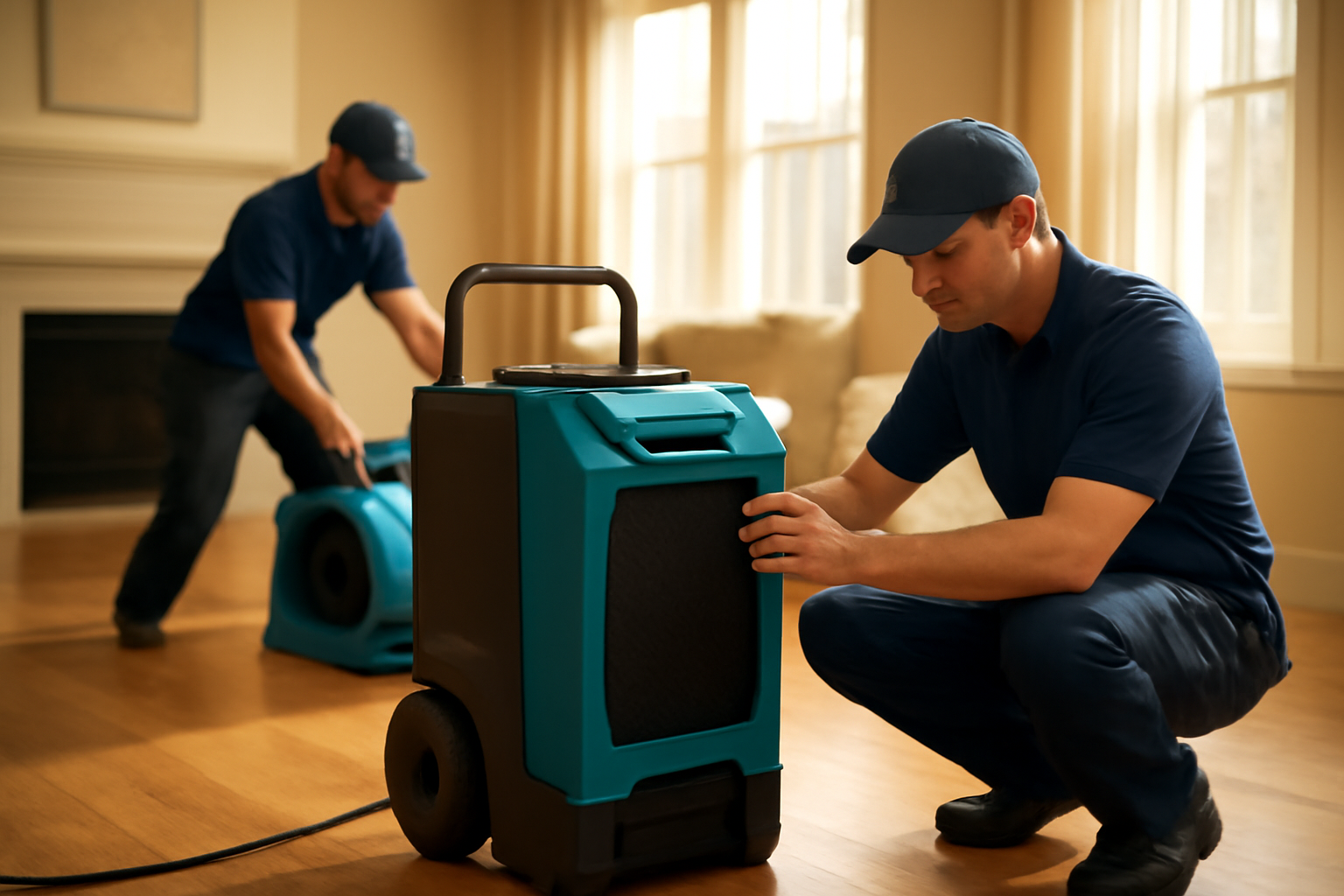
Simply mopping up standing water isn’t enough. Professionals use powerful water extractors. They employ industrial-grade dehumidifiers and air movers. These are essential for removing moisture from deep within structures. This process is vital to prevent secondary damage like mold. Learning how pros dry out a flooded home step by step shows the complexity involved.
Material Replacement Adds Up
Waterlogged materials often need to be removed and replaced. This can include flooring, carpets, baseboards, and cabinets. Drywall and insulation are also frequently affected. These replacements are a significant part of the water damage restoration steps. Each material has its own replacement cost, and the scope of damage dictates how much needs to be redone.
The Cost of Compromised Materials
Even if materials aren’t completely destroyed, they might be compromised. Porous materials like carpet padding or drywall can absorb and hold moisture. This makes them impossible to dry completely. They must be discarded to prevent future problems. This necessity drives up the repair costs involved.
Time is Money (and Health)
The longer water sits, the more damage it causes. It saturates materials. It creates conditions for mold growth. It can compromise electrical systems and structural integrity. The extended timeline for drying and restoration adds to the overall expense. This is why it’s so important to get professional help quickly. Delaying can significantly increase the restoration cost breakdown.
Secondary Damage: The Real Killer
Secondary damage refers to problems that arise after the initial water event. This includes mold growth, wood rot, and structural weakening. These issues are often more difficult and expensive to fix than the original water intrusion. They are a major reason why water damage repairs are so costly.
Factors Influencing the Total Cost
Several things impact how much you’ll pay. The source of the water matters. Is it clean water from a broken pipe? Or is it contaminated water from a sewer backup? The size of the affected area is another big factor. The type of materials damaged also plays a role. Finally, the speed at which you address the issue is crucial.
| Type of Water | Potential Issues | Restoration Complexity |
|---|---|---|
| Category 1 (Clean Water) | Minimal contamination, but can lead to mold if not dried. | Generally lower complexity. |
| Category 2 (Gray Water) | Contains contaminants, potential health risks. | Moderate complexity, requires careful handling. |
| Category 3 (Black Water) | Highly contaminated, sewage or floodwater, serious health risks. | High complexity, requires specialized safety protocols. |
The Importance of a Professional Assessment
A qualified restoration professional will conduct a thorough assessment. They use specialized tools to detect hidden moisture. This ensures all affected areas are identified. They can then create an accurate plan for restoration. This detailed approach helps manage costs effectively. It also prevents future problems.
What to Expect During Assessment
During an assessment, experts will look for:
- Visible signs of water damage.
- Hidden moisture using moisture meters and thermal imaging.
- Potential mold growth.
- Structural integrity issues.
- The source of the water intrusion.
Conclusion
Water damage is expensive because it’s rarely a simple fix. It involves hidden moisture, potential mold growth, structural concerns, and the need for specialized drying and restoration techniques. Addressing these issues promptly and correctly with professional help is key to mitigating costs and protecting your home. At Eden Prairie Restoration Pros, we understand the complexities of water damage and are here to guide you through the restoration process, ensuring your home is safely and effectively restored.
How long does it take to dry out a water-damaged home?
The drying time can vary greatly. It depends on the extent of the water damage and the type of materials affected. It can range from a few days for minor issues to several weeks for severe flooding. Professionals use advanced equipment to speed up the process, but thorough drying is essential.
Can I save money by doing DIY water damage cleanup?
While some minor spills might be manageable, DIY cleanup for significant water damage often backfires. Hidden moisture can lead to mold and structural problems later. Professionals have the tools and expertise to ensure a complete and safe restoration, potentially saving you money in the long run by preventing recurring issues.
What is considered “black water” and why is it so dangerous?
Black water is highly contaminated water, often from sewage backups or floodwaters. It can contain dangerous bacteria, viruses, and other pathogens. Exposure can lead to serious health risks, including infections and illnesses. Cleanup requires specialized protective gear and procedures.
Does my homeowner’s insurance cover water damage?
Coverage varies depending on your policy and the cause of the water damage. Standard policies often cover sudden and accidental water damage, like a burst pipe. However, damage from floods or long-term leaks might require separate coverage or endorsements. It’s best to review your policy or contact your insurance provider.
What are the first steps I should take after discovering water damage?
Your immediate priority is safety. If there’s standing water, turn off electricity to the affected area. Try to stop the source of the water if possible. Document the damage with photos or videos for insurance purposes. Then, it’s crucial to call a professional restoration company right away to assess and begin the cleanup process.