
Trusted by 155+ Homeowners
Can A Tenant Be Evicted For Causing Water Damage?
- Over 157 5-Star Reviews
- Free Estimates and Quotes
- 100% Satisfaction Guaranteed
- Child, Family & Pet Safe Steps
- 24-Hour Emergency Service
- Fully Licensed & Insured
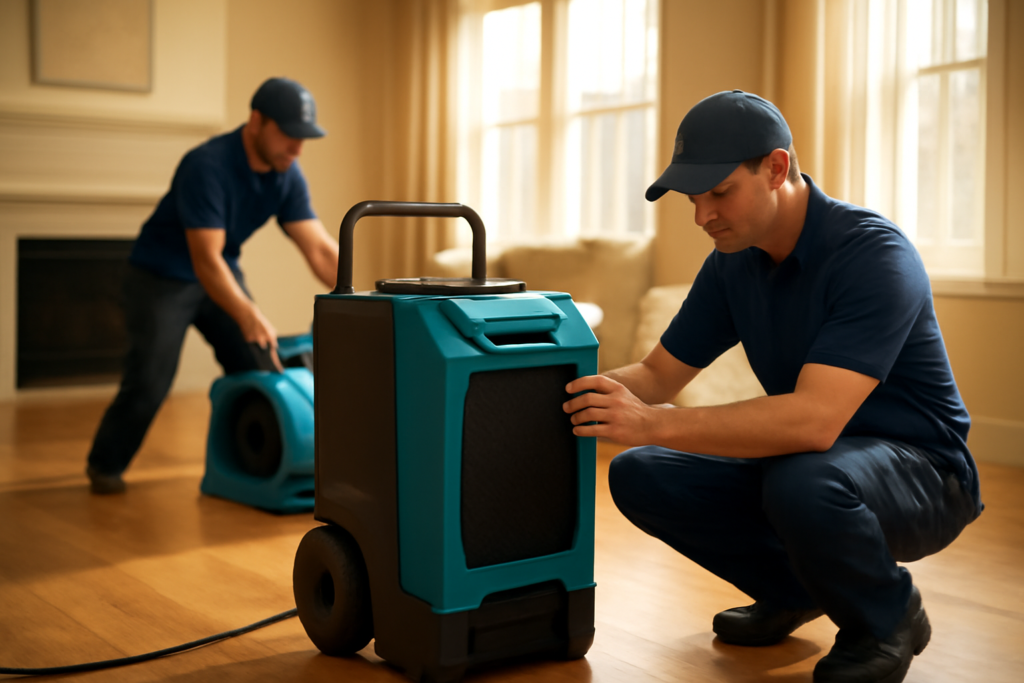
Can a tenant be evicted for causing water damage? Yes, a tenant can face eviction for causing significant water damage, especially if it’s due to negligence or violation of lease terms.
Landlords generally have grounds for eviction if a tenant’s actions lead to property damage, including water damage. This often depends on lease agreements and local laws.
TL;DR:
- Tenant eviction for water damage is possible, depending on negligence and lease terms.
- Landlords must follow legal procedures for eviction.
- Tenants have rights, and communication is key.
- Prompt water damage restoration is vital for all parties.
- Understanding repair responsibilities prevents disputes.
Can a Tenant Be Evicted for Causing Water Damage?
The short answer is yes, a tenant can be evicted for causing water damage. This isn’t usually a quick process. It often involves proving fault and following strict legal guidelines. Landlords must carefully document the damage and the tenant’s role. Ignoring the situation can lead to bigger problems for everyone involved.
Understanding Lease Agreements
Your lease agreement is the first place to look. It outlines tenant responsibilities regarding property care. Many leases specifically mention maintaining plumbing and reporting issues promptly. Failure to do so can be a lease violation. This violation might become grounds for eviction proceedings. Always review your lease carefully.
Tenant Negligence vs. Wear and Tear
It’s important to distinguish between tenant negligence and normal wear and tear. Accidental damage might not lead to eviction. However, damage from recklessness or neglect often does. For example, overflowing a bathtub repeatedly is negligence. A slow leak from an old pipe is usually wear and tear. Landlords must prove the tenant’s fault.
The Eviction Process for Tenants
Evicting a tenant is a legal procedure. It requires proper notice. Landlords can’t just change the locks. They must issue a formal notice to cure or quit. This gives the tenant a chance to fix the issue or move out. If the tenant doesn’t comply, the landlord can file an eviction lawsuit. This process ensures fairness for both parties.
Documentation is Key for Landlords
If you’re a landlord dealing with this, document everything. Take photos and videos of the damage. Keep records of all communication with the tenant. Note any reports of leaks or plumbing issues. This evidence is crucial if you pursue eviction. It helps prove the damage and the tenant’s responsibility.
Tenant Rights and Responsibilities
While landlords can seek eviction, tenants also have rights. They have a right to proper notice and due process. Tenants should also understand their responsibilities. Many leases require tenants to report maintenance issues. Ignoring a small leak can turn into a big problem. This might be seen as a breach of the lease agreement. For more on this, similar concerns apply.
Communicating About Water Damage
Open communication can often prevent disputes. If you’re a tenant and notice a leak, report it immediately. If you’re a landlord and a tenant reports an issue, address it promptly. Delays can worsen damage and increase costs. This can also complicate who is responsible for the repair costs involved.
When Water Damage Occurs: Who Pays?
Determining who pays for water damage can be tricky. It often depends on the cause. If a tenant’s negligence caused the damage, they might be liable. This could include damage from a burst pipe they tried to fix themselves. Or if they left a faucet running for an extended period. Understanding the restoration responsibility is vital. For landlords, there are also landlord water damage repair obligations by law.
Tenant’s Role in Prevention
Tenants play a role in preventing water damage. They should avoid flushing inappropriate items. They need to keep drains clear. Also, report any unusual sounds or leaks from pipes. Taking simple preventive steps can avoid major issues. This helps protect your security deposit too.
Landlord’s Role in Property Maintenance
Landlords are generally responsible for maintaining the property’s structure and systems. This includes ensuring plumbing is in good working order. They must address issues like old pipes or faulty appliances. If damage occurs due to a lack of maintenance, the landlord may be responsible. This is part of their repair obligations.
The Cost of Water Damage Restoration
Water damage restoration can be expensive. The cost depends on the extent of the damage and the materials needed. It involves drying, cleaning, and repairing affected areas. Sometimes, mold remediation is also necessary. Understanding how much does water damage restoration really cost can help set expectations.
Here’s a general idea of what influences restoration costs:
| Factor | Impact on Cost |
|---|---|
| Extent of Damage | Larger areas cost more. |
| Source of Water | Contaminated water is more costly. |
| Materials Affected | Drywall, flooring, and insulation vary in price. |
| Drying Time | Longer drying periods increase labor costs. |
| Mold Presence | Requires specialized remediation. |
When Business Leases Are Involved
For commercial properties, water damage can be particularly disruptive. Lease agreements for businesses often have specific clauses. These clauses detail responsibilities for damage and repairs. Understanding these terms is essential for business owners. It helps them know what to do in case of business water issues. For more on this, check out commercial lease water damage clauses explained.
Seeking Professional Restoration Services
Regardless of who is responsible, prompt action is crucial. Water damage can spread quickly. It can lead to structural issues and mold growth. Hiring a professional restoration company is often the best solution. They have the expertise and equipment to handle the situation effectively. This ensures a thorough and safe cleanup.
Preventing Future Water Damage
Both tenants and landlords should be vigilant. Regular property checks can catch small issues early. Tenants should report leaks or unusual water pressure. Landlords should perform routine maintenance on plumbing and appliances. Taking a proactive approach can save a lot of trouble and expense down the line.
What If There’s Mold?
Mold can grow rapidly in damp conditions. It poses serious health risks. If mold is present, it requires professional remediation. Attempting to clean up large mold infestations yourself can be dangerous. It can also be ineffective. Experts have the tools and knowledge to remove mold safely.
Negotiating a Solution
Sometimes, disputes can be resolved through negotiation. Open communication and a willingness to compromise can help. If a tenant caused damage through minor carelessness, a landlord might agree to a payment plan. Or they might use part of the security deposit. This avoids the lengthy and costly eviction process.
Conclusion
Can a tenant be evicted for causing water damage? Yes, it’s a possibility, especially if negligence is involved and lease terms are violated. However, the process requires careful adherence to legal procedures and clear documentation. Both tenants and landlords have rights and responsibilities when water damage occurs. Understanding these, communicating openly, and acting quickly are key to resolving the situation. For expert assistance with water damage assessment and restoration, Eden Prairie Restoration Pros is a trusted resource ready to help mitigate damage and restore your property.
What if the water damage was due to an old appliance?
If the water damage resulted from an old appliance that the landlord failed to maintain or replace, the landlord is typically responsible. Research shows landlords have a duty to keep the property in good repair. This includes ensuring appliances provided are in working order. You should document the appliance’s age and condition if possible.
Can a landlord charge a tenant for water damage from a burst pipe?
It depends on the cause of the burst pipe. If the pipe burst due to the tenant’s misuse or neglect (e.g., freezing the pipe by not heating the unit properly in winter), the tenant may be liable. If it was due to the pipe’s age or faulty installation, the landlord is likely responsible. This is where understanding restoration responsibility becomes critical.
How much notice must a landlord give a tenant for eviction due to damage?
The notice period varies significantly by state and local laws. Typically, a landlord must provide a written notice to the tenant, specifying the lease violation and giving a certain number of days to correct the issue or vacate the property. It’s essential to consult local regulations or legal counsel for exact requirements.
What should a tenant do if they accidentally cause water damage?
If you accidentally cause water damage, your first step should be to notify your landlord immediately. Then, take steps to stop the source of the water if possible and safe to do so. Document the damage with photos or videos. Being honest and proactive can help mitigate the situation and potentially avoid more severe consequences, like eviction.
Can a tenant sue a landlord for failing to fix water damage promptly?
Yes, if the water damage poses a health hazard or makes the property uninhabitable due to the landlord’s inaction, a tenant may have grounds to sue. This often falls under the landlord’s duty to maintain a habitable living environment. Tenants should ensure they have followed proper procedures for reporting the issue before considering legal action.

Levi Lemieux is a licensed Damage Restoration Expert with more than 20 years of hands-on experience in disaster recovery and structural mitigation. As a seasoned industry authority, Levi has dedicated two decades to mastering the technical complexities of environmental safety, providing property owners with the reliable expertise and steady leadership required to navigate high-stress property losses with absolute confidence.
𝗖𝗲𝗿𝘁𝗶𝗳𝗶𝗰𝗮𝘁𝗶𝗼𝗻𝘀: Levi holds elite IICRC credentials, including Water Damage Restoration (WRT), Applied Structural Drying (ASD), Mold Remediation (AMRT), Fire and Smoke Restoration (FSRT), and Odor Control (OCT).
𝗙𝗮𝘃𝗼𝗿𝗶𝘁𝗲 𝗣𝗮𝘀𝘁𝗶𝗺𝗲: When off-site, Levi is a passionate mountain biker and an amateur astronomer, hobbies that reflect the endurance and precision he brings to every restoration project.
𝗕𝗲𝘀𝘁 𝗣𝗮𝗿𝘁 𝗼𝗳 𝘁𝗵𝗲 𝗷𝗼𝗯: He finds the most fulfillment in providing a clear path forward for families, turning a site of devastation back into a safe, comfortable home.