
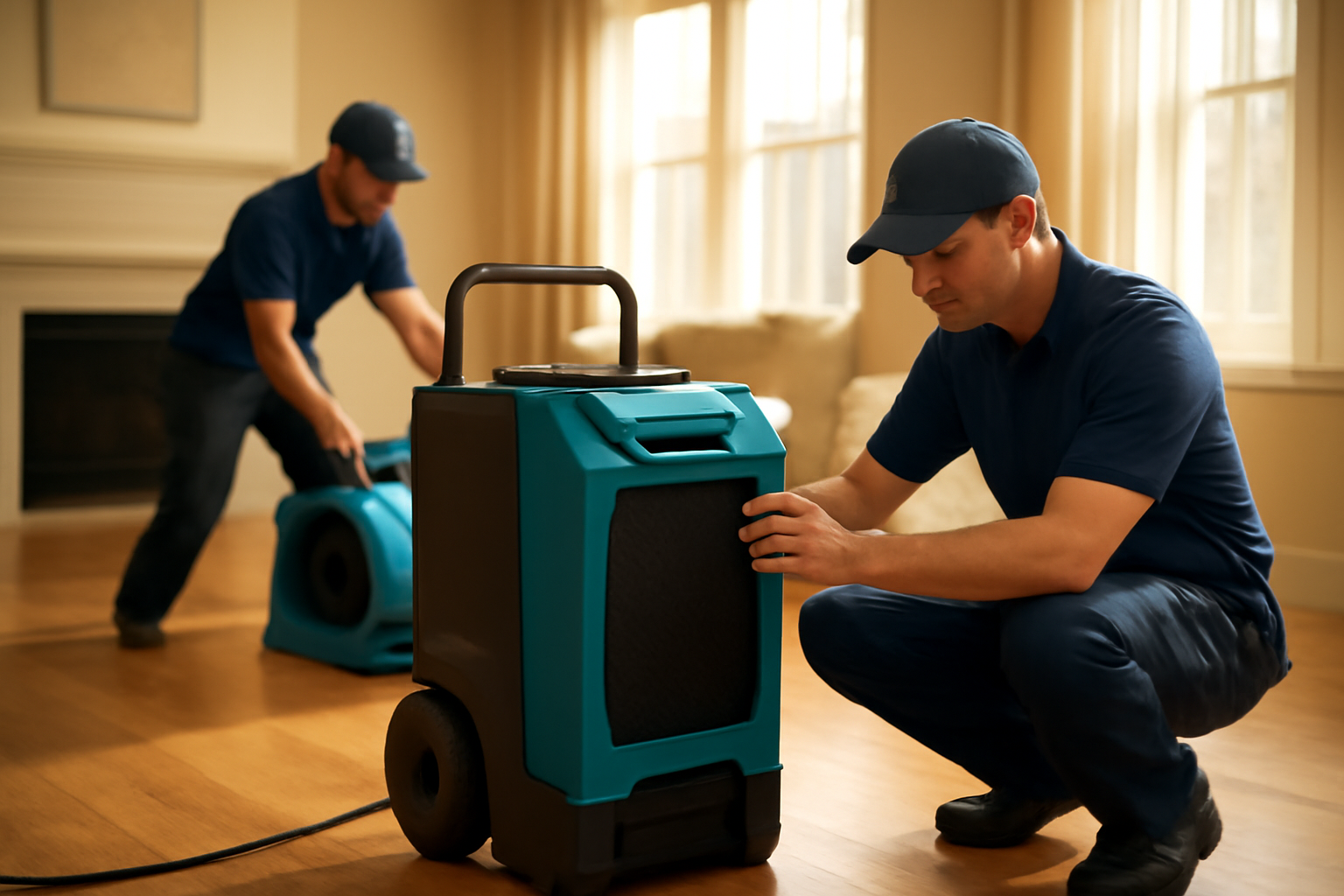
What Cannot Be Salvaged After A Major Flood?
Trusted by 155+ Homeowners
After a major flood, not everything can be salvaged. Some items are too damaged to be safely or effectively restored.
The most common items that cannot be salvaged include porous materials heavily saturated with floodwater, electronics, and structural components that have compromised integrity.
TL;DR:
- Porous materials like drywall, carpet padding, and insulation are often unsalvageable.
- Electronics exposed to floodwater are usually beyond repair due to electrical shorts and corrosion.
- Items with structural damage or severe mold growth may need to be discarded.
- The safety of salvaged items is a top priority; if unsure, it’s best to replace.
- Professional restoration can assess damage and advise on what can and cannot be saved.
What Cannot Be Salvaged After a Major Flood?
When floodwaters surge into your home, the damage can be devastating. While some belongings might be salvageable with professional help, others are simply too far gone. Understanding what you can likely expect to lose is a tough but necessary part of the recovery process. It helps manage expectations and focus your efforts on what truly matters.
Porous Materials: The Big Offenders
Think about things that soak up water like a sponge. These are the first culprits for being unsalvageable. Materials like drywall, particleboard, and most types of insulation absorb water readily. Once saturated, they become weak and are breeding grounds for mold. It’s often safer and more effective to replace them entirely.
Drywall and Wall Coverings
Most drywall that has been submerged or heavily saturated will need to be removed. The paper facing and gypsum core can break down. Even if it dries, it may never regain its structural integrity. This is especially true if the water was contaminated. Trying to save it can lead to mold and structural issues down the line.
Flooring Woes: Carpets and Underlayment
Carpet padding is almost always a total loss. It’s designed to be soft and absorbent. Once floodwater soaks it, it’s nearly impossible to dry completely. This trapped moisture leads to mold and mildew. While some carpets can be professionally cleaned and dried, it depends heavily on the type of carpet and the duration of saturation. Often, the underlying subfloor can also be damaged, requiring further attention.
Insulation’s Sad Fate
Fiberglass and cellulose insulation are designed to trap air. This is great for temperature control, but terrible when they trap water. Saturated insulation loses its R-value and becomes heavy. It can also harbor mold and mildew. For safety and efficiency, it usually must be removed and replaced.
Electronics: A Risky Business
Floodwater and electronics are a recipe for disaster. Even a small amount of water can cause irreversible damage. The minerals and contaminants in floodwater can corrode internal components. Electrical shorts are also a major concern. Unless the item was completely submerged for a very short time and a professional can assess it, assume the worst.
What About Computers and TVs?
Computers, televisions, and other complex electronics are particularly vulnerable. Water can damage circuit boards, power supplies, and screens. The risk of electrical shock is also a serious consideration. Never plug in a water-damaged electronic device. It’s a significant safety hazard.
Small Appliances and Gadgets
Toasters, blenders, and other small appliances might seem less critical. However, they contain electrical parts that can be compromised. Even if they appear to work after drying, internal corrosion can lead to failure later. It’s often best to err on the side of caution and replace them.
Furniture and Belongings: It Depends
The salvageability of furniture and personal items depends on their material and the extent of water damage. Upholstered furniture, especially if submerged, can be very difficult to restore. The fabric, padding, and wooden frames can all be affected.
Wood Furniture Challenges
Solid wood furniture might be salvageable if the damage is minimal and it’s treated quickly. However, water can cause warping, swelling, and cracking. If the finish is damaged or the wood becomes saturated, it may need professional refinishing or replacement. Particleboard furniture is almost always unsalvageable due to its tendency to swell and disintegrate.
Documents and Photos: Sentimental Losses
Sentimental items like photos and important documents can be heartbreaking to lose. While some restoration services specialize in document drying, extensive water damage can make them unreadable or prone to mold. Act quickly if these items are important to you.
Structural Damage and Hidden Problems
Beyond visible items, major floods can compromise the structural integrity of your home. This is where professional assessment is absolutely critical. Things you can’t see might be the most dangerous.
Mold Growth: A Silent Threat
Mold can start growing within 24-48 hours after water exposure. If your home has had prolonged water intrusion, extensive mold growth is likely. Mold poses serious health risks and often requires professional remediation. Areas with significant mold growth are typically not salvageable.
Wood Framing and Foundations
Floodwaters can weaken wooden framing, joists, and even affect your foundation. Prolonged exposure can lead to rot and structural instability. This type of damage requires expert inspection and repair. It’s not something you can typically assess or fix on your own.
When in Doubt, Throw it Out (Safely!)
The guiding principle after a flood should always be safety. If an item has been exposed to contaminated floodwater, or if there’s a significant risk of mold or structural compromise, it’s often best to discard it. Professionals can help you make these difficult decisions. They understand the potential for secondary damage and health hazards.
Understanding Water Intrusion Risks
It’s important to understand the water intrusion risks associated with different types of damage. The longer materials are wet, the higher the chance of permanent damage and mold. This is why prompt action is so important. We found that even minor-seeming water intrusion can lead to significant problems if not addressed.
Interior Water Damage Assessment
Assessing interior water damage requires expertise. Professionals use specialized equipment to detect hidden moisture. This helps determine the full extent of the problem. They can then create a plan for restoration. This ensures that all affected areas are addressed, preventing future issues.
Drying Out a Flooded Home
Knowing how pros dry out a flooded home step by step can be reassuring. They have the tools and knowledge to tackle even severe flooding. Their process is designed to remove moisture efficiently and safely. This minimizes the amount of salvageable versus unsalvageable items.
How Long Does Drying Take?
The timeline for drying out a flooded room can vary. Factors like the extent of water, materials present, and humidity play a role. It often takes longer than people expect. Understanding the typical drying times helps manage expectations and plan for the next steps.
Garage Water Damage Concerns
Garages are also susceptible to flooding. Garage water damage can affect stored items, vehicles, and even the home’s structure if connected. Prevention methods like checking downspout extensions are key.
Winter Water Damage Issues
In colder climates, winter water damage from ice dams or pipe bursts presents unique challenges. These situations often require specialized knowledge to address effectively.
Conclusion
Facing a major flood is an overwhelming experience. While it’s heartbreaking to lose personal belongings and see your home damaged, understanding what can and cannot be salvaged is a crucial step in recovery. Prioritize safety, address mold and structural concerns immediately, and don’t hesitate to call for professional help. At Eden Prairie Restoration Pros, we are dedicated to guiding you through this difficult time with expertise and compassion, helping you restore your home and your peace of mind.
What is the biggest risk after floodwater recedes?
The biggest risk after floodwater recedes is the development of mold and mildew. Trapped moisture in building materials and belongings can begin to grow mold within 24-48 hours. This mold can cause serious health risks and further damage your property.
Can electronics truly never be salvaged after a flood?
While it’s rare, some electronics might be salvageable if they were only exposed to clean water for a very short period. However, even then, a professional inspection is mandatory. Floodwater is often contaminated, making electronics extremely dangerous and difficult to repair due to corrosion and electrical shorts. It’s usually safer to replace them.
How can I tell if my furniture is salvageable?
For upholstered furniture, check for lingering odors, stains, and mold. If the padding is heavily saturated or smells musty, it’s likely unsalvageable. For wooden furniture, look for warping, swelling, or delamination of veneers. If the structural integrity is compromised or mold is present, replacement is often the best option. Do not wait to get help if you are unsure.
Is it safe to clean salvaged items myself?
For items that appear minimally affected by clean water, you might be able to clean them. However, if the water was contaminated (e.g., from a sewer backup or river overflow), it’s not safe to handle items yourself without proper protective gear. Professional cleaning and sanitization are often required to ensure all contaminants are removed and to prevent serious health risks.
What should I do if I suspect hidden mold?
If you suspect hidden mold, especially after a flood, it’s essential to call a professional right away. Mold can spread quickly and is often found behind walls or under flooring. Restoration professionals have the tools and expertise to detect, contain, and remediate mold safely and effectively, preventing further damage and health issues.