
Trusted by 155+ Homeowners
Living Room Water Damage: Causes And Restoration Steps
- Over 157 5-Star Reviews
- Free Estimates and Quotes
- 100% Satisfaction Guaranteed
- Child, Family & Pet Safe Steps
- 24-Hour Emergency Service
- Fully Licensed & Insured
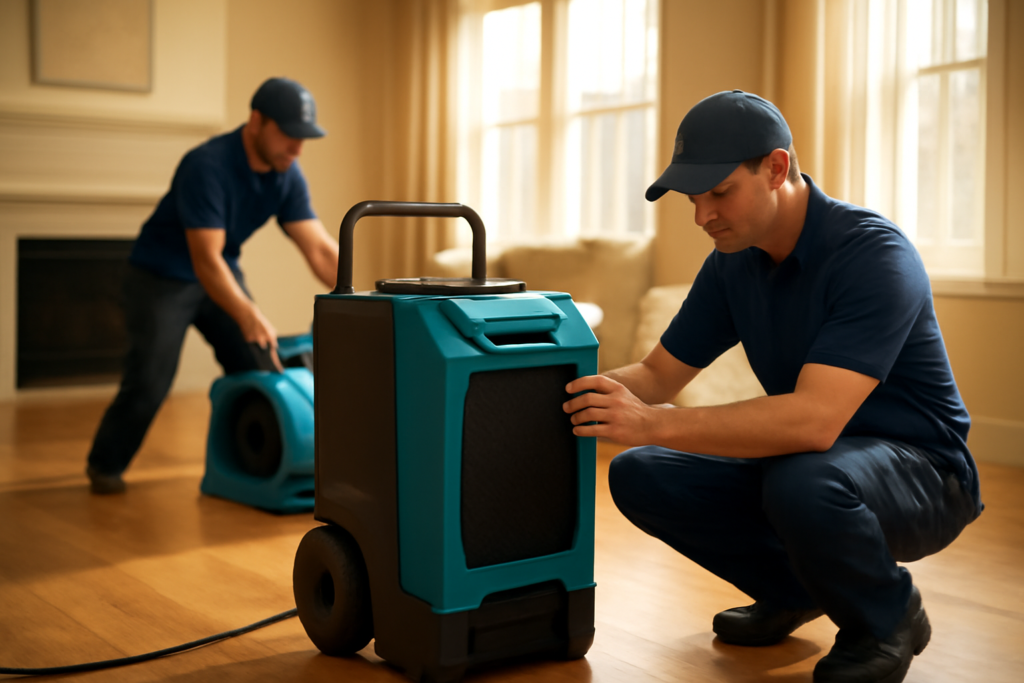
Living room water damage can happen suddenly, leading to costly repairs and potential health hazards. Understanding the common causes and knowing the right steps to take is essential for protecting your home and your family.
Promptly addressing living room water damage is key to preventing mold growth and structural issues. Quick action can significantly reduce the overall repair costs involved.
TL;DR:
- Common causes include pipe bursts, appliance leaks, and roof/window damage.
- Immediate steps involve stopping the water source and removing excess water.
- Drying and dehumidifying the area are critical to prevent mold.
- Professional restoration is often needed for thorough drying and repair.
- Ignoring water damage can lead to mold, structural issues, and serious health risks.
Living Room Water Damage: Causes and Restoration Steps
Your living room is often the heart of your home. It’s where you relax, entertain, and make memories. So, discovering water damage there can be upsetting. But don’t panic! We’re here to guide you through what causes it and what you need to do.
What Causes Water Damage in Your Living Room?
Water damage in your living room can stem from several sources. Sometimes, it’s an obvious burst pipe. Other times, it might be a slow, sneaky leak you don’t notice for a while. Understanding these causes helps you prevent them.
Plumbing Problems
Faulty plumbing is a frequent culprit. Old pipes can corrode and burst, especially in freezing temperatures. Even a small leak from a pipe behind a wall can cause significant damage over time. Think of it like a tiny drip that never stops.
Appliance Malfunctions
Many living rooms have entertainment centers or even small refrigerators. These appliances, and others like humidifiers or dehumidifiers, can leak. Hoses can crack or connections can loosen, sending water where it shouldn’t go.
External Water Intrusion
Sometimes, water comes from outside. Heavy rain can find its way through damaged roofs or leaky windows. Poorly sealed sliding glass doors can also let water in during storms. This type of interior water damage can be sneaky.
Overflowing Fixtures
While less common in living rooms, overflow from nearby bathrooms or kitchens can sometimes affect the living area if plumbing is shared or runs through adjacent walls.
Immediate Steps to Take When You Discover Water Damage
Seeing water in your living room is stressful. But acting fast is your best defense. The sooner you address the situation, the less damage you’ll likely face. Remember, time is of the essence.
Safety First!
Before anything else, ensure your safety. If water is near electrical outlets or appliances, turn off the power to the affected area at your breaker box. Standing water can be an electrical hazard. We found that safety is always the number one priority.
Stop the Water Source
If you can safely find and stop the source of the leak, do so. This might mean turning off a main water valve for a burst pipe or unplugging a leaking appliance. If you can’t find or stop it, call for help immediately.
Remove Excess Water
Begin removing standing water. Use towels, mops, buckets, or a wet/dry vacuum. The more water you remove early on, the less drying time will be needed. Don’t wait to get help if the water is extensive.
Protect Your Belongings
Move furniture and other items away from the wet areas. If items are soaked, try to dry them out away from the main damage. Some items might be salvageable with careful drying and cleaning.
The Drying and Restoration Process
Once the immediate crisis is managed, the real work of drying and restoring begins. This phase is critical for preventing long-term problems like mold growth. It requires careful attention to detail.
Thorough Drying is Key
Drying out your living room completely is essential. This involves more than just mopping up visible water. Hidden moisture in carpets, padding, drywall, and subflooring needs to be removed. Many experts say that professional restoration is often necessary here.
We found that the process typically involves using specialized equipment:
- High-speed air movers: These fans circulate air to speed up evaporation.
- Dehumidifiers: These machines pull moisture out of the air.
- Moisture meters: Professionals use these to check for hidden dampness.
Understanding how pros dry out a flooded home step-by-step can help you appreciate the thoroughness required. This prevents lingering water intrusion risks.
Cleaning and Sanitizing
After drying, surfaces need to be cleaned and sanitized. Water can carry contaminants, especially if it comes from sewage backups or external sources. Proper cleaning prevents odors and potential health issues.
Repairing Damaged Materials
Depending on the extent of the damage, some materials may need to be repaired or replaced. This could include drywall, flooring, insulation, or even parts of your ceiling. This is where damage cleanup steps become repairs.
When to Call for Professional Help
For minor spills, you might be able to handle some cleanup yourself. However, for most living room water damage situations, calling a professional restoration company is the smartest choice. They have the tools, expertise, and experience to handle the job efficiently and effectively.
Why Professional Restoration Matters
DIY attempts often fall short. Professionals can identify hidden moisture sources you might miss. They have advanced drying equipment that significantly speeds up the process. This means less disruption to your life and a lower chance of future problems. Many homeowners find that DIY water damage cleanup often backfires due to incomplete drying.
What to Expect from Professionals
A good restoration company will assess the damage, create a plan, and execute the necessary steps. They handle everything from water extraction and drying to mold remediation and structural repairs. You can learn more about what happens during a water damage restoration to be prepared.
Understanding Restoration Costs
The cost of water damage restoration can vary widely. Factors include the size of the affected area, the type of water (clean, gray, or black), and the extent of the damage. It’s important to understand the restoration cost factors involved.
Preventing Future Water Damage
Once your living room is restored, you’ll want to prevent future incidents. Regular maintenance and a watchful eye can save you a lot of trouble and expense.
Regular Home Maintenance
Inspect your plumbing regularly for leaks. Check your roof and gutters for damage. Ensure windows and doors are properly sealed. Keep appliances well-maintained.
Be Aware of Warning Signs
Watch for signs like discolored walls, musty odors, or damp spots. Addressing these early can prevent major problems. Early detection is key to minimizing damage.
Consider Water Damage Prevention Systems
Smart home technology offers water leak detectors and automatic shut-off valves. These can alert you to a problem immediately and even stop the water flow before significant damage occurs.
The Long-Term Impact of Untreated Water Damage
Ignoring water damage, even minor leaks, can lead to serious consequences. These problems can affect your home’s structure and your family’s health. It’s a situation where acting quickly is always the best policy.
Mold Growth and Health Risks
Mold can start to grow within 24-48 hours in damp conditions. Mold spores can cause allergic reactions, asthma attacks, and other respiratory problems. This creates serious health risks for your household.
Structural Damage
Water can weaken building materials like wood and drywall. Over time, this can lead to sagging ceilings, warped floors, and compromised structural integrity. The water damage restoration steps: a complete guide covers how to avoid these issues.
Decreased Property Value
Visible water damage, mold, or structural issues can significantly lower your home’s market value. Potential buyers will be wary of homes with a history of water problems.
Conclusion
Living room water damage is a serious issue, but it doesn’t have to be a disaster. By understanding the causes, knowing the immediate steps to take, and recognizing the importance of professional restoration, you can protect your home. If you’re facing water damage in your living room, remember that quick and expert action is crucial. For trusted assistance in the Eden Prairie area, Eden Prairie Restoration Pros are a reliable resource to help you through the process.
What should I do if my living room ceiling is leaking?
If your living room ceiling is leaking, try to place buckets or tarps to catch the water. If it’s safe, try to locate the source above the ceiling and shut off the water supply if possible. Then, call a professional restoration service immediately to assess the damage and prevent further issues.
Can water damage in my living room cause mold?
Yes, absolutely. Mold can start to grow in as little as 24 to 48 hours in damp conditions. If water damage in your living room isn’t dried out completely and quickly, mold growth is a very likely outcome.
How long does water damage restoration take?
The timeline for water damage restoration varies greatly. It depends on the severity of the water damage, the size of the affected area, and the drying methods used. Minor issues might take a few days, while severe flooding could take weeks.
Is it safe to stay in my home during water damage restoration?
It depends on the extent of the damage and the restoration process. If there are electrical hazards, structural instability, or significant mold concerns, it might be safer to temporarily relocate. Professionals will advise you on safety during the process.
What is considered “black water” and is it dangerous?
Black water is heavily contaminated water from sources like sewage or floodwaters that have mixed with waste. It is extremely dangerous and poses severe health risks. Cleanup of black water requires specialized training and protective gear, and should always be handled by professionals.

Levi Lemieux is a licensed Damage Restoration Expert with more than 20 years of hands-on experience in disaster recovery and structural mitigation. As a seasoned industry authority, Levi has dedicated two decades to mastering the technical complexities of environmental safety, providing property owners with the reliable expertise and steady leadership required to navigate high-stress property losses with absolute confidence.
𝗖𝗲𝗿𝘁𝗶𝗳𝗶𝗰𝗮𝘁𝗶𝗼𝗻𝘀: Levi holds elite IICRC credentials, including Water Damage Restoration (WRT), Applied Structural Drying (ASD), Mold Remediation (AMRT), Fire and Smoke Restoration (FSRT), and Odor Control (OCT).
𝗙𝗮𝘃𝗼𝗿𝗶𝘁𝗲 𝗣𝗮𝘀𝘁𝗶𝗺𝗲: When off-site, Levi is a passionate mountain biker and an amateur astronomer, hobbies that reflect the endurance and precision he brings to every restoration project.
𝗕𝗲𝘀𝘁 𝗣𝗮𝗿𝘁 𝗼𝗳 𝘁𝗵𝗲 𝗷𝗼𝗯: He finds the most fulfillment in providing a clear path forward for families, turning a site of devastation back into a safe, comfortable home.