
Water Leak Detection In Commercial Buildings
Trusted by 155+ Homeowners
Water leak detection in commercial buildings is crucial for preventing costly damage and business disruption. Early detection minimizes repair costs and protects your property’s integrity.
Ignoring small leaks can lead to major structural issues and mold growth. Addressing water problems swiftly is key to maintaining a safe and functional commercial space.
TL;DR:
- Regular inspections are vital for early water leak detection.
- Modern technology aids in finding hidden leaks quickly.
- Prompt action after a leak significantly reduces damage.
- Understanding your insurance is important for claims.
- Prevention is always better than cure for water issues.
Water Leak Detection in Commercial Buildings: Why It Matters
Discovering a water leak in your commercial building can feel like a sinking ship. But before panic sets in, understand that early and accurate water leak detection is your first line of defense. It’s about finding the problem before it turns into a disaster. We found that many business owners underestimate the speed at which water can cause destruction. A small drip can quickly become a torrent, leading to significant structural damage, ruined inventory, and prolonged downtime.
The Hidden Dangers of Unseen Leaks
Sometimes, leaks aren’t obvious. They can hide behind walls, under floors, or within ceiling spaces. These hidden culprits can fester for weeks or months. Research shows that this prolonged exposure to moisture is a breeding ground for mold and mildew. These can cause serious health risks for employees and customers. They also degrade building materials, weakening the structure over time. Ignoring these quiet threats is a recipe for expensive repairs and potential business closure.
When Water Damage Strikes: What Business Owners Face
The impact of water damage on a business can be devastating. Beyond the immediate mess, there are cascading effects. Think about lost revenue due to closures, the cost of replacing damaged goods, and the potential for long-term business reputation damage. Many experts say that understanding the full scope of commercial water damage is the first step toward effective recovery. It’s about more than just drying things out; it’s about a complete restoration process.
Learn more about the challenges of commercial water damage and how to prepare your business.
Common Sources of Commercial Leaks
Where do these unwelcome water intruders typically come from? They can be as simple as a faulty pipe connection or a clogged drain. HVAC systems, especially in larger buildings, can develop leaks over time. Roof leaks, often exacerbated by storms, are another common culprit. Even regular plumbing issues, like a malfunctioning toilet or a leaky faucet, can escalate if not addressed promptly. Identifying the source quickly saves time and money.
The Role of Technology in Detection
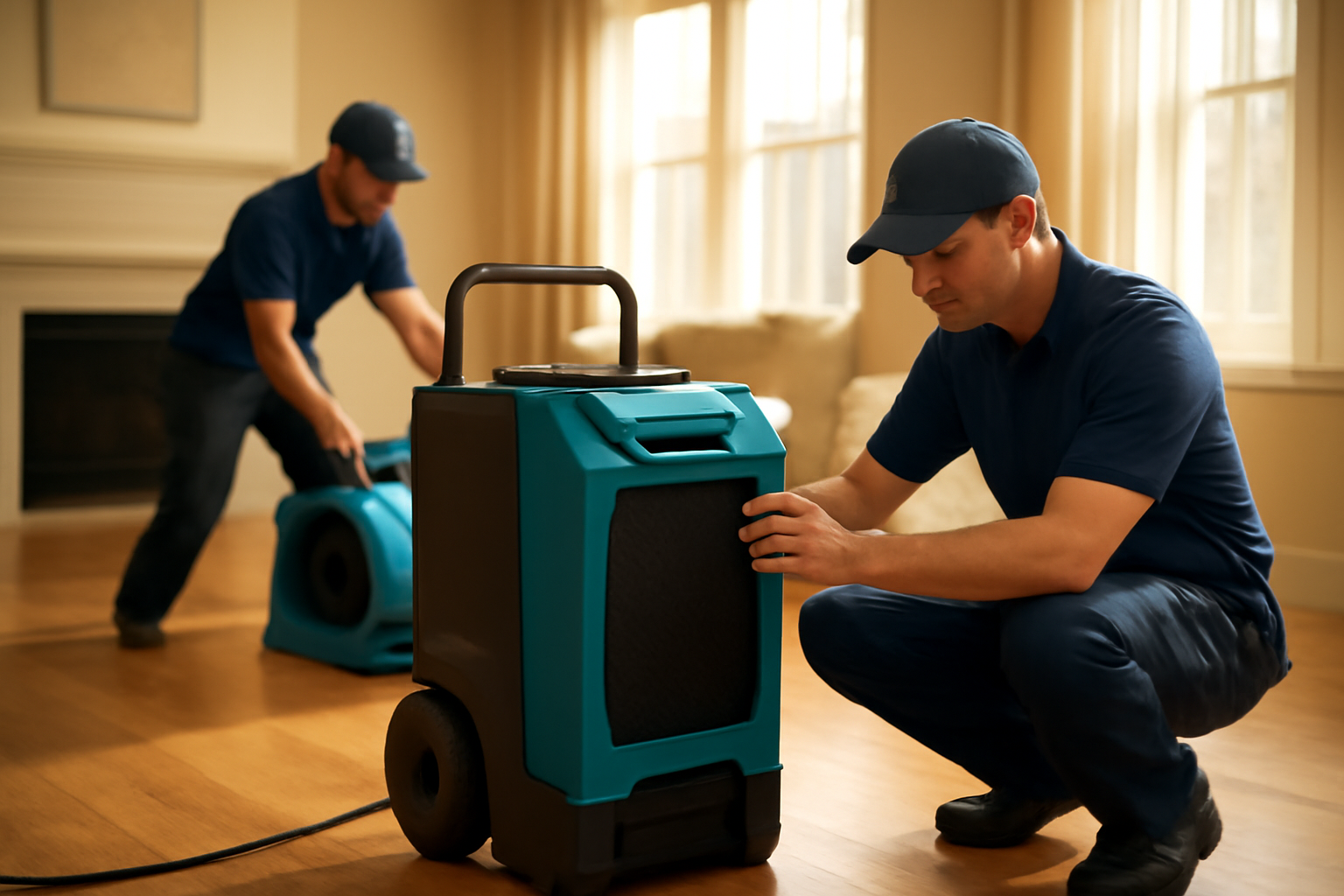
The good news is that water leak detection has come a long way. Gone are the days of simply listening for drips and tearing down walls blindly. Modern technology offers precise solutions. Acoustic sensors can pinpoint leaks underground or within walls. Thermal imaging cameras can detect temperature differences caused by moisture. Moisture meters provide accurate readings of water saturation in materials. These tools allow for non-invasive and highly accurate leak detection.
Signs You Need Water Leak Detection Now
Your building might be sending out distress signals. Are you noticing unexplained musty odors, especially in damp areas? Is there visible water staining or peeling paint on walls and ceilings? Have your water bills suddenly spiked without a clear reason? Are you hearing unusual sounds like dripping or running water when no fixtures are in use? These are all red flags indicating a potential leak that needs immediate attention.
When to Call a Professional
While some minor issues might seem DIY-friendly, complex commercial buildings require expert knowledge. If you suspect a leak behind a wall, under a foundation, or within a complex HVAC system, call a professional right away. Our team at Eden Prairie Restoration Pros has the specialized equipment and expertise to locate and address these hidden problems efficiently. Trying to fix it yourself could lead to more damage or missed spots.
The Process of Commercial Water Leak Detection
When you suspect a leak, the process usually begins with a thorough inspection. Professionals will use their experience and advanced tools to survey your property. This often involves checking all visible plumbing, fixtures, and potential problem areas. Then, they’ll deploy specialized equipment to find hidden moisture. The goal is always to find the exact location and extent of the leak with minimal disruption to your business operations.
Advanced Detection Methods Explained
Let’s look at some of the tech professionals use. Acoustic detectors listen for the sound of escaping water under pressure. They can differentiate the specific sound of a leak from other background noises. Thermal imaging cameras detect temperature anomalies. Water, being a fluid, often causes materials to cool down, making the leak area visible on the camera. Moisture meters measure the electrical resistance of materials, which changes with water content. These methods allow for precise identification without unnecessary destruction.
Why DIY Isn’t Always the Answer
While it’s tempting to grab a wrench and start looking, DIY leak detection in commercial settings can be risky. Commercial buildings have complex plumbing and structural systems. A misplaced attempt to fix something could worsen the leak, damage surrounding materials, or even create a new problem. Furthermore, not all leaks are visible; some are deep within concrete slabs or behind specialized wall systems. Don’t wait to get help if you’re unsure.
Immediate Steps After Detection
Once a leak is detected, prompt action is essential. The first step is to shut off the water supply to the affected area if possible. This minimizes further water intrusion. Next, document the situation with photos and videos for insurance purposes. Then, it’s time to address the leak itself. Depending on the severity, this might involve minor repairs or more extensive restoration work. Understanding your next steps can save your business.
For guidance on what to do immediately after discovering water damage, check out our guide on Flood Damage in Commercial Buildings: First Steps.
Water Damage Prevention for Commercial Properties
The best way to deal with water leaks is to prevent them from happening in the first place. Developing a solid water damage prevention plan is a smart investment for any business owner. Regular maintenance checks are key. This includes inspecting plumbing, roofing, and drainage systems. It’s also about educating your staff on what to look for and how to report potential issues.
Creating a Prevention Checklist
A good prevention plan involves regular checks. Consider implementing a routine checklist. This might include:
- Checking visible pipes for signs of corrosion or leaks.
- Testing sump pumps regularly, especially in basements.
- Inspecting roofs and gutters for blockages or damage.
- Ensuring HVAC drip pans are clean and draining properly.
- Monitoring water bills for unexplained increases.
- Keeping landscaping sloped away from the building foundation.
This proactive approach can catch small issues before they become big problems.
The Importance of Regular Maintenance
Many business owners overlook routine maintenance, viewing it as an unnecessary expense. However, research shows that regular maintenance significantly reduces the risk of major water damage. It’s like getting your car serviced; it prevents breakdowns. Addressing minor wear and tear on pipes, seals, and roofing materials can save you from catastrophic failures down the line. Schedule regular inspections with qualified professionals.
Learn how to create a robust plan with our guide on a Water Damage Prevention Plan for Commercial Buildings.
Insurance and Water Damage Claims
Dealing with water damage can be overwhelming, and navigating insurance claims adds another layer of stress. It’s important to understand what your policy covers. Many commercial property insurance policies offer protection against certain types of water damage, but not all. For instance, standard policies often exclude flood damage. You need to know the specifics of your coverage.
Understanding Your Policy Coverage
Take the time to review your commercial policy. What does it say about water damage? Are leaks from burst pipes covered? What about damage from backed-up sewers? Understanding your commercial policy coverage is vital. If you’re unsure, contact your insurance agent for clarification. Knowing your coverage helps you prepare for a potential business insurance claim.
Working with Restoration Professionals
When water damage occurs, working with a professional restoration company is essential. They can assess the damage accurately, perform necessary repairs, and help document the process for your insurance claim. They understand the restoration process and can ensure that your property is returned to its pre-loss condition. Get expert advice today on how to proceed with your claim and restoration.
Understand what to expect during the restoration process by reading about commercial water damage restoration.
Conclusion
Detecting water leaks in commercial buildings is a critical task that requires vigilance and the right tools. From hidden drips behind walls to more obvious plumbing failures, early detection is your strongest ally. It minimizes damage, reduces costs, and ensures the safety and comfort of your occupants. By understanding the signs, utilizing modern technology, and implementing a solid prevention plan, you can safeguard your business. If you suspect a water issue, don’t wait to get help. Eden Prairie Restoration Pros is here to provide expert water leak detection and restoration services, helping you navigate these challenges with confidence and restoring your peace of mind.
What are the first signs of a water leak in a commercial building?
Look for unusual musty odors, visible water stains on ceilings or walls, unexplained increases in your water bill, or sounds of dripping or running water when fixtures aren’t in use. These are common indicators that a leak may be present.
How often should I inspect my commercial building for potential leaks?
It’s recommended to conduct thorough visual inspections of accessible areas monthly. More in-depth checks of plumbing, roofs, and HVAC systems should be performed at least annually, or more frequently if your building is older or located in an area prone to water issues.
Can small leaks really cause significant damage?
Absolutely. A seemingly small drip can go unnoticed for weeks or months, allowing water to saturate building materials like drywall, insulation, and wood. This prolonged exposure can lead to structural weakening, mold growth, and electrical hazards. Act before it gets worse by addressing even minor leaks promptly.
What types of technology are used for commercial water leak detection?
Professionals use advanced equipment such as acoustic listening devices to pinpoint leaks by sound, thermal imaging cameras to detect temperature differences caused by moisture, and moisture meters to measure water content in materials. These technologies allow for precise detection with minimal disruption.
Is it better to repair a leak myself or hire a professional?
For most commercial buildings, hiring a professional is highly recommended. Commercial properties often have complex systems, and improper repairs can lead to further damage or create new problems. Professionals have the expertise, tools, and insurance to handle leaks safely and effectively, ensuring a complete restoration and minimizing business interruption.