
Trusted by 155+ Homeowners
Commercial Water Damage: What Business Owners Face
- Over 157 5-Star Reviews
- Free Estimates and Quotes
- 100% Satisfaction Guaranteed
- Child, Family & Pet Safe Steps
- 24-Hour Emergency Service
- Fully Licensed & Insured
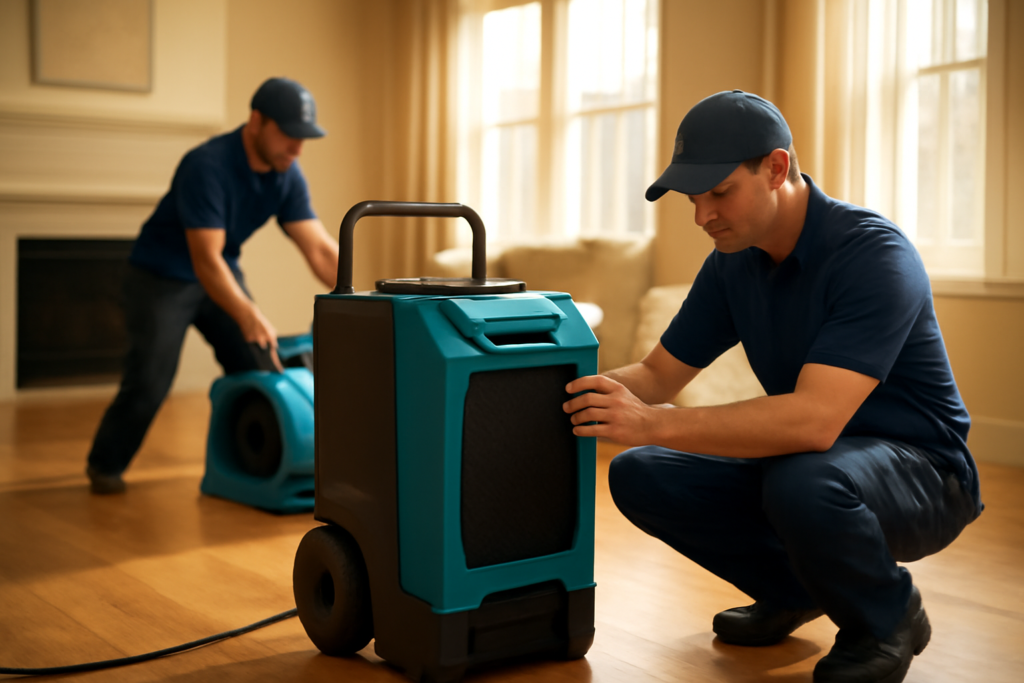
Commercial water damage can disrupt your business operations significantly. Understanding the potential issues and how to address them is vital for business owners.
Facing commercial water damage means dealing with potential downtime, financial loss, and safety concerns. Quick and effective action is key to minimizing these impacts.
TL;DR:
- Commercial water damage can stem from various sources like leaks, storms, or plumbing failures.
- Immediate action is crucial to prevent further damage, mold growth, and business interruption.
- Insurance policies may cover some water damage, but understanding your specific commercial policy coverage is essential.
- Professional restoration services are necessary for thorough drying, cleaning, and rebuilding.
- Implementing a water damage prevention plan can significantly reduce future risks.
Commercial Water Damage: What Business Owners Face
Water damage in a commercial building can feel like a tidal wave hitting your business. It’s not just about wet carpets. It’s about lost revenue, damaged inventory, and potential safety hazards. Many business owners wonder about the extent of the problem and how to recover. We found that swift action is the most important factor in minimizing long-term consequences.
Common Sources of Commercial Water Damage
Where does all this water come from? Several culprits can lead to significant business water issues. Common sources include burst pipes, overflowing toilets, HVAC system leaks, and roof damage from storms. Even minor leaks can go unnoticed for a long time. This allows water to spread unseen, causing hidden damage.
We found that understanding the top causes of water damage in commercial buildings can help you be more vigilant. Regular maintenance checks can catch potential problems before they escalate. A small drip today could mean a major flood tomorrow. It’s a good idea to know your building’s plumbing and drainage systems.
The Impact on Your Business
When water invades your commercial space, the immediate effects are obvious: soggy floors, damaged walls, and ruined equipment. But the ripple effects can be even more damaging. Think about lost productivity as your team navigates a wet or unsafe environment. Consider the financial strain of business interruption. You might have to close your doors temporarily, losing sales and clients.
Furthermore, standing water creates a breeding ground for mold and bacteria. This can lead to serious health risks for employees and customers. We found that mold can start growing within 24-48 hours. This makes prompt cleanup absolutely critical for maintaining a healthy workplace.
Navigating Your Insurance and Claims
One of the first things on your mind is likely your insurance. Does your commercial policy cover flood damage? It’s a common question. Many business owners are surprised to learn the specifics. It’s important to review your policy carefully to understand your commercial policy coverage. Some policies cover water damage from internal sources like burst pipes.
However, damage from external flooding might require a separate flood insurance policy. Filing a business insurance claim can be a complex process. Documenting the damage thoroughly is key. Take photos and videos of the affected areas before any cleanup begins. This documentation is essential for your claim.
What to Do First: Immediate Steps
When you discover water damage, panic is a natural reaction. But staying calm and acting fast is crucial. What are the first steps for commercial water damage? Your priority is safety. If there’s standing water, avoid electrical outlets and appliances. If it’s safe to do so, shut off the water source. This can prevent further saturation.
Next, you need to assess the situation and contact professionals. We found that acting before it gets worse is vital. Don’t wait to get help. The longer water sits, the more damage it causes and the higher the risk of mold. Trying to handle extensive water damage yourself is often ineffective and can lead to more problems down the line.
The Restoration Process Explained
Once professionals arrive, what can you expect? The commercial water damage restoration process is designed to be thorough. It involves several key stages to bring your property back to its pre-loss condition. This is where expert intervention makes a huge difference.
Key Stages of Water Damage Restoration
The initial phase is always damage assessment and water extraction. Experts use specialized equipment to remove as much standing water as possible. Then comes the drying and dehumidification. Powerful fans and dehumidifiers are used to dry out the affected areas. This prevents moisture from lingering in walls, floors, and ceilings.
After drying, cleaning and sanitizing are crucial. This removes contaminants and prevents mold growth. Finally, repairs and reconstruction begin. This could involve replacing drywall, flooring, or even rebuilding damaged structures. It’s a complete restoration process to get your business back online.
Why Professional Help is Essential
Attempting DIY repairs for significant water damage is a risky endeavor. Professionals have the specialized equipment and expertise needed for effective restoration. They can identify hidden moisture that you might miss. This prevents future problems like mold and structural decay. Getting expert advice today is a wise investment.
We found that the goal is not just to dry things out, but to restore your business environment safely and efficiently. They understand building codes and restoration best practices. This ensures the work is done correctly the first time. It’s about getting your business back to normal with minimal disruption and maximum efficiency.
Preventing Future Water Damage Disasters
Can you stop water damage from happening again? While you can’t prevent every leak, you can significantly reduce the risk. Developing a water damage prevention plan for commercial buildings is a smart move. This involves regular inspections and maintenance of your building’s systems.
Proactive Measures for Businesses
Here are a few things you can do:
- Schedule regular inspections of your plumbing, HVAC, and roofing systems.
- Ensure gutters and drainage systems are clear and functioning properly.
- Train your staff to recognize early signs of leaks and report them immediately.
- Consider installing water leak detection systems in vulnerable areas.
- Keep an updated list of emergency contacts for restoration services.
Implementing these steps can make a big difference in preventing future business water issues. Being prepared is your best defense against the unexpected.
The Role of Regular Maintenance
Consistent maintenance is your secret weapon against water damage. We found that many commercial water damage incidents could be avoided with proper upkeep. Small, inexpensive repairs during routine checks can prevent costly disasters later. It’s about being diligent and not overlooking potential issues. This can save your business a lot of headaches and money.
| Type of Water Damage | Potential Causes | Immediate Actions Recommended | Long-Term Prevention |
|---|---|---|---|
| Plumbing Leak | Burst pipes, faulty connections, aging infrastructure | Shut off water supply, call a plumber and restoration pro | Regular pipe inspections, insulation for cold weather |
| Roof Leak | Damaged shingles, clogged gutters, storm damage | Contain water if possible, contact roofing and restoration pros | Regular roof inspections, gutter cleaning |
| HVAC System Leak | Clogged drain lines, faulty condensate pump | Turn off HVAC unit, call HVAC technician and restoration pro | Annual HVAC maintenance and cleaning |
| Sewer Backup | Blockages in main lines, heavy rainfall | Avoid using water, call a specialized restoration service immediately | Install backwater valve, proper waste disposal |
Conclusion
Commercial water damage presents a serious challenge for any business owner. From identifying the source of the problem to navigating insurance claims and undertaking extensive repairs, the process can be overwhelming. However, by understanding the risks, taking immediate action, and partnering with experienced professionals, you can effectively manage and recover from water damage. Remember, acting quickly and decisively is your best strategy. For reliable and efficient commercial water damage restoration services in the Eden Prairie area, Eden Prairie Restoration Pros is a trusted resource ready to help you get back on your feet.
What are the biggest risks associated with commercial water damage?
The biggest risks include extensive structural damage, the rapid growth of mold and bacteria leading to health hazards, significant business downtime, and substantial financial losses due to repairs and lost revenue. Protecting your business from these risks is a top priority.
How quickly can mold start to grow after water damage?
Mold can begin to grow within 24 to 48 hours after water damage occurs. This is why it’s critical to address the water issue and begin the drying process as soon as possible to prevent mold proliferation. Mold remediation is a serious concern.
Can I handle minor water damage myself?
For very minor, surface-level water spills that haven’t penetrated materials like drywall or subflooring, some DIY cleanup might be possible. However, even minor issues can have hidden moisture. It’s often best to call a professional right away for an assessment to ensure complete drying and prevent future problems.
What documentation should I gather for my insurance claim?
You should gather photos and videos of the damage before any cleanup begins, a detailed list of damaged items and their estimated replacement cost, any receipts for temporary repairs you’ve made, and communication records with your insurance adjuster. Thorough documentation is essential for a successful claim.
How can I best prepare my business for potential water damage?
Preparation involves regular maintenance of your building’s systems, having an emergency contact list ready, understanding your insurance policy, and creating a business continuity plan that includes steps for responding to water damage. Proactive preparation saves time and money.

Levi Lemieux is a licensed Damage Restoration Expert with more than 20 years of hands-on experience in disaster recovery and structural mitigation. As a seasoned industry authority, Levi has dedicated two decades to mastering the technical complexities of environmental safety, providing property owners with the reliable expertise and steady leadership required to navigate high-stress property losses with absolute confidence.
𝗖𝗲𝗿𝘁𝗶𝗳𝗶𝗰𝗮𝘁𝗶𝗼𝗻𝘀: Levi holds elite IICRC credentials, including Water Damage Restoration (WRT), Applied Structural Drying (ASD), Mold Remediation (AMRT), Fire and Smoke Restoration (FSRT), and Odor Control (OCT).
𝗙𝗮𝘃𝗼𝗿𝗶𝘁𝗲 𝗣𝗮𝘀𝘁𝗶𝗺𝗲: When off-site, Levi is a passionate mountain biker and an amateur astronomer, hobbies that reflect the endurance and precision he brings to every restoration project.
𝗕𝗲𝘀𝘁 𝗣𝗮𝗿𝘁 𝗼𝗳 𝘁𝗵𝗲 𝗷𝗼𝗯: He finds the most fulfillment in providing a clear path forward for families, turning a site of devastation back into a safe, comfortable home.