
Trusted by 155+ Homeowners
What Is Subrogation In A Water Damage Insurance Claim?
- Over 157 5-Star Reviews
- Free Estimates and Quotes
- 100% Satisfaction Guaranteed
- Child, Family & Pet Safe Steps
- 24-Hour Emergency Service
- Fully Licensed & Insured
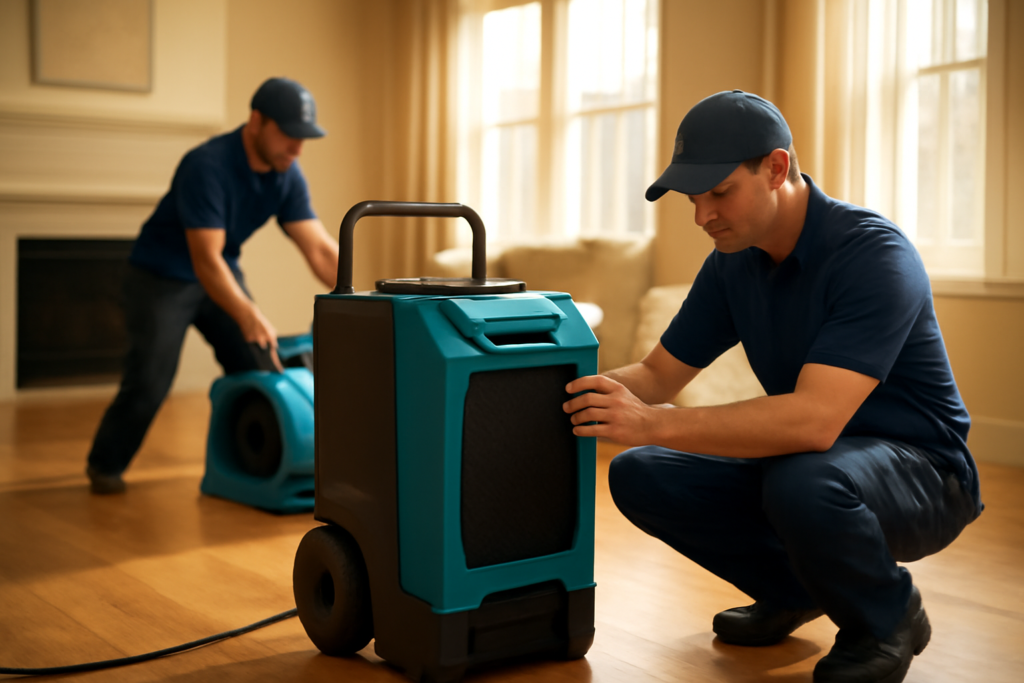
Subrogation in a water damage insurance claim is the insurance company’s right to pursue a third party that caused the damage.
It allows your insurer to recover costs from the responsible party after they pay your claim.
TL;DR:
- Subrogation is when your insurer goes after the at-fault party.
- This happens after they pay your water damage claim.
- It helps your insurer recoup their costs.
- You usually can’t interfere with this process.
- It prevents you from double-dipping on your claim payment.
What Is Subrogation in a Water Damage Insurance Claim?
When water damage strikes your home, it’s a stressful time. You might be wondering about your insurance policy. You might also wonder if someone else is to blame. Subrogation is a key concept in insurance. It comes into play when a third party is responsible for your water damage. Think of it like your insurance company stepping into your shoes. They then try to get back the money they paid you from the party that caused the mess. This is especially relevant after events like a burst pipe or a neighbor’s leaky appliance.
Understanding the Basics of Subrogation
At its core, subrogation prevents unjust enrichment. It means you shouldn’t profit from a loss. If someone else caused the damage, they should ultimately bear the cost. Your insurance policy likely includes a subrogation clause. This clause gives your insurer the right to pursue recovery. They do this against the responsible party. This process typically happens after your insurer has settled your claim. They pay you for your covered losses. Then, they take over the right to sue the at-fault party.
Who is the “Third Party”?
The “third party” can be many entities. It could be a contractor who performed faulty work. It might be a manufacturer of a defective appliance. Sometimes, it’s even a neighbor whose actions led to the water damage. For instance, if a neighbor’s overflowing bathtub caused water to seep into your basement, they could be the third party. Understanding who caused the damage is important for the insurance claim process.
Why Does Subrogation Matter to You?
While it might seem like a purely insurance company matter, subrogation can affect you. Firstly, it helps keep insurance premiums lower for everyone. When insurers can recover costs, it reduces their overall losses. This can translate to more stable rates over time. Secondly, you usually have a duty not to interfere with your insurer’s subrogation efforts. This means you shouldn’t do anything that would harm their ability to recover money from the responsible party. For example, don’t sign away your rights to sue the at-fault party without your insurer’s consent.
Your Role in the Subrogation Process
Your primary role is to cooperate with your insurance company. You need to provide any information they request. This might include details about how the damage occurred. It could also involve identifying the responsible party. You’ve already done the hard part by filing a claim. Now, your insurer will handle the complex legal aspects of subrogation. They want to ensure they are making a fair settlement with you.
What if the Third Party Denies Responsibility?
If the third party denies responsibility, your insurer will handle the dispute. They have legal teams or resources to investigate further. They may need to gather more evidence. This could involve expert reports or witness statements. The goal is to establish fault clearly. This is part of the normal insurance claim process.
When Does Subrogation Typically Occur?
Subrogation usually kicks in after a water damage incident. This happens when the cause is clearly external or due to negligence. For example, if a faulty plumbing repair by a third-party plumber causes a leak, subrogation might apply. If your insurance policy covers the damage, they will pay your claim. Then, they will likely pursue the plumber’s insurance or the plumber directly. This is a common scenario for burst pipe water damage.
Examples of Subrogation Scenarios
Let’s say a construction company working on an adjacent property accidentally damages a water main. This causes flooding in your home. Your insurer would pay for your damages. Then, they would subrogate against the construction company. Another example: a manufacturing defect in a washing machine causes it to leak extensively. Your insurer pays your claim. They then pursue the washing machine manufacturer. These situations highlight the importance of determining the cause of the water intrusion.
How Insurers Investigate for Subrogation
Insurers will investigate the cause of loss. This is part of assessing your claim. During this investigation, they look for evidence of third-party fault. They might review repair invoices. They could examine product manuals. Sometimes, an insurance adjuster visit is crucial for gathering evidence. They will document the scene and collect samples if necessary. Their findings determine if subrogation is a viable option.
Subrogation vs. Your Deductible
A common question is about your deductible. If your insurer successfully recovers money through subrogation, you might get your deductible back. This depends on the amount recovered. If your insurer recovers the full amount of your claim, they may refund your entire deductible. If they recover only a partial amount, they might refund a portion of your deductible. This is a significant benefit for you. It means you could end up paying nothing out-of-pocket for a covered loss.
What Happens If You Settle Directly?
It’s vital that you do not settle directly with the at-fault party. Or release them from liability without your insurer’s consent. Doing so could jeopardize your insurer’s subrogation rights. This might lead to them denying your claim or reducing the payout. It could even mean you have to repay benefits already received. Always consult your insurer before agreeing to any settlement with a third party. This ensures you don’t accidentally void your own policy.
The Importance of Documentation
Keeping good records is essential. This includes photos or videos of the damage. Also, keep copies of any communication with the responsible party. Note down dates, times, and conversations. This documentation can be very helpful for your insurer. It aids them in their subrogation efforts. Proper documentation is key for any successful storm damage claim.
Types of Water Damage and Subrogation Potential
Some types of water damage have a higher potential for subrogation. Damage from external sources like floods or sewer backups might involve municipal issues or natural events. However, if a faulty product or service is involved, subrogation is more likely. For instance, water damage from a poorly installed appliance or a negligent contractor provides a clear path for subrogation. Understanding what flood damage is and isn’t covered by insurance can also clarify when subrogation might apply.
When Subrogation Might NOT Apply
Subrogation doesn’t apply in every situation. If the damage was caused by an act of nature with no identifiable responsible party, subrogation is unlikely. For example, a sudden, severe storm causing roof damage and subsequent leaks might not have a third party to pursue. Also, if the damage was purely accidental and not due to anyone’s negligence, subrogation may not be possible. Your policy documents will outline the specific conditions for subrogation.
How Policies Differ
Insurance policies can vary. Some policies may have a “no-subrogation” clause. This is common in certain types of policies or for specific perils. This means the insurer waives their right to subrogate. Always review your policy details. If you are unsure about the insurance adjuster visit and its implications, ask your agent. Many policies require you to cooperate with the insurer’s subrogation efforts.
Conclusion
Subrogation is a critical part of the water damage insurance claim process. It allows your insurer to recover costs from the responsible party. This helps keep insurance affordable and prevents you from profiting from a loss. While it might seem complex, your main role is to cooperate with your insurer. They handle the legal heavy lifting. Understanding subrogation empowers you to navigate your claim more confidently. If you’re facing water damage and need expert assistance with your claim and restoration, Eden Prairie Restoration Pros is a trusted resource. We understand the complexities and can help guide you through the process.
What is the purpose of subrogation in insurance?
The main purpose of subrogation is to ensure that the party who caused the loss ultimately pays for it. It prevents the insured from recovering compensation from both their insurer and the at-fault party. This helps maintain fairness and affordability in the insurance system.
Can I refuse to cooperate with my insurer’s subrogation efforts?
Generally, no. Most insurance policies require you to cooperate with your insurer’s subrogation efforts. Refusing to cooperate could jeopardize your own claim settlement. It might lead to your insurer reducing or denying coverage. Always check your policy for specific requirements.
Will subrogation affect my insurance premium?
In the long run, successful subrogation efforts can help stabilize insurance premiums. When insurers recover funds, it reduces their overall payout costs. This can contribute to preventing rate increases. However, a single claim with subrogation may not directly impact your personal premium immediately.
What if the third party is uninsured?
If the at-fault third party is uninsured, your insurer’s subrogation efforts may be difficult. They might still pursue legal action. However, the chances of recovering funds are lower. In such cases, your insurer may absorb the loss or recover only a portion. This is why having adequate insurance coverage yourself is so important.
Does subrogation apply to all types of water damage claims?
No, subrogation does not apply to all water damage claims. It typically applies only when a clearly identifiable third party’s negligence or action caused the damage. Accidental damage or damage from natural events without a specific responsible party usually does not involve subrogation.

Levi Lemieux is a licensed Damage Restoration Expert with more than 20 years of hands-on experience in disaster recovery and structural mitigation. As a seasoned industry authority, Levi has dedicated two decades to mastering the technical complexities of environmental safety, providing property owners with the reliable expertise and steady leadership required to navigate high-stress property losses with absolute confidence.
𝗖𝗲𝗿𝘁𝗶𝗳𝗶𝗰𝗮𝘁𝗶𝗼𝗻𝘀: Levi holds elite IICRC credentials, including Water Damage Restoration (WRT), Applied Structural Drying (ASD), Mold Remediation (AMRT), Fire and Smoke Restoration (FSRT), and Odor Control (OCT).
𝗙𝗮𝘃𝗼𝗿𝗶𝘁𝗲 𝗣𝗮𝘀𝘁𝗶𝗺𝗲: When off-site, Levi is a passionate mountain biker and an amateur astronomer, hobbies that reflect the endurance and precision he brings to every restoration project.
𝗕𝗲𝘀𝘁 𝗣𝗮𝗿𝘁 𝗼𝗳 𝘁𝗵𝗲 𝗷𝗼𝗯: He finds the most fulfillment in providing a clear path forward for families, turning a site of devastation back into a safe, comfortable home.