What To Do In The First 24 Hours After Water Damage
Trusted by 155+ Homeowners
Acting quickly after water damage is essential to minimize harm. The first 24 hours are critical for preventing further issues and starting the restoration process effectively.
Understanding what to do in the first 24 hours after water damage can save your home from long-term problems. Prompt action helps reduce repair costs and prevents secondary damage.
TL;DR:
- Shut off the water source immediately to stop more water from entering.
- Document the damage with photos and videos for insurance claims.
- Remove standing water using pumps or wet vacuums.
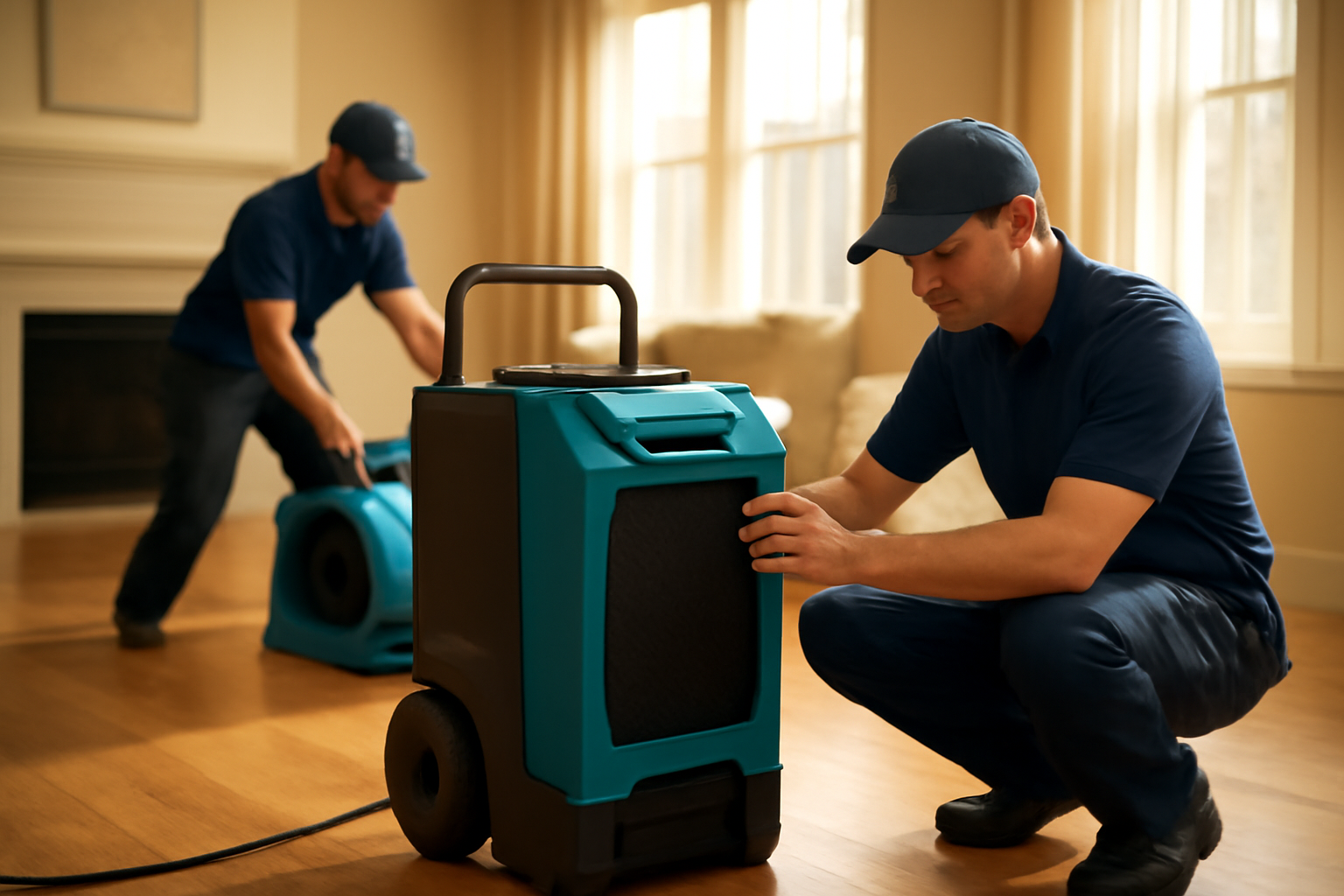
- Dry out the affected areas thoroughly with fans and dehumidifiers.
- Consult a professional restoration service for thorough cleanup and drying.
What to Do in the First 24 Hours After Water Damage
Discovering water damage in your home can be a shock. Whether it’s a burst pipe or a leaky appliance, the clock starts ticking immediately. Your response in the first 24 hours is key to mitigating the damage and protecting your property. Ignoring it can lead to much bigger problems down the line.
Immediate Actions: Stopping the Flow
The very first step is to stop the water source if possible. If a pipe has burst, locate your main water shut-off valve and turn it off. This prevents the situation from worsening. If the leak is from an appliance, unplug it and shut off its water supply valve if accessible. This immediate action can significantly limit the extent of the water intrusion.
Safety First: Electrical Hazards
Water and electricity are a dangerous mix. If water has entered areas with electrical outlets or appliances, do not touch anything until the power to that section of your home is shut off. You can do this at your circuit breaker box. If you are unsure, call an electrician or your restoration professional immediately. Your safety is the top priority.
Assess and Document the Damage
Once it’s safe, take time to assess the extent of the water damage. Walk through your home and note all affected areas. Take clear photos and videos of the damage. Capture close-ups of wet materials, water stains, and any items that have been damaged. This documentation is vital for insurance claims and will help restoration professionals understand the scope of work.
Communicating with Your Insurer
Contact your homeowner’s insurance company as soon as possible. Report the water damage and explain the situation. They will likely guide you on the next steps, including how to proceed with repairs and what documentation they require. Having your photos and videos ready will speed up the process.
Removing Standing Water
Standing water can cause materials to break down faster. If there’s a significant amount of water, you’ll need to remove it. For small amounts, towels and mops might suffice. For larger volumes, consider using a wet vacuum or a submersible pump. This process can be labor-intensive. If the water covers a large area, professional help is often necessary.
Drying Out the Affected Areas
After removing standing water, the drying process begins. This is where many homeowners underestimate the challenge. Simply opening windows might not be enough, especially in humid conditions. You need to dry out materials thoroughly. This involves using high-speed air movers and industrial dehumidifiers. These tools help extract moisture from carpets, walls, and subfloors.
The Role of Ventilation and Airflow
Good airflow is essential for drying. Position fans to circulate air across wet surfaces. This helps speed up evaporation. However, be mindful of humidity levels. If the outside air is more humid than the inside, simply ventilating might not help. In such cases, dehumidifiers become crucial. They actively remove moisture from the air.
Preventing Mold and Mildew
One of the most common and concerning secondary issues from water damage is mold. Mold can start to grow within 24-48 hours in damp conditions. This brings a significant mold growth risk. Keeping the area dry is the best prevention. You should also look out for a musty smell, which is often an early indicator of developing mold.
Understanding the Dangers of Mold
Mold is not just an aesthetic problem; it poses serious health concerns. If you notice any signs of mold or a persistent musty odor, it’s a clear indication that moisture is present and mold is likely developing. This is where the health risks present become a major concern for your household.
The Importance of Professional Drying
Professionals use specialized equipment and techniques to ensure materials are dried to safe moisture levels. They can access hidden areas like wall cavities and subfloors. This thorough drying process is critical to preventing long-term issues like mold and structural damage. For instance, understanding read more about this connected damage issue can help you prevent future occurrences. Many homeowners are unaware of common culprits.
Protecting Your Belongings
Move any unaffected furniture, electronics, and personal items away from the wet areas. If furniture is wet, try to move it to a dry location. For upholstered items or rugs that are saturated, it might be best to remove them from the home to dry properly. This protects them from further damage and helps prevent mold.
Dealing with Damaged Materials
Some materials may need to be removed. Drywall, insulation, and flooring that have been heavily saturated often need to be discarded. They cannot be effectively dried and can harbor mold. Professionals can assess which materials are salvageable and which must be replaced. This decision is based on the type of material and the extent of saturation.
When to Call the Experts
If the water damage is extensive, if the water is contaminated (like from a sewage backup), or if you are unsure about any step, call a professional restoration company right away. They have the tools, training, and experience to handle water damage safely and effectively. They can also help with unexpected issues like pipe leak causes that might have gone unnoticed.
Common Water Damage Sources and Prevention
Water damage can stem from various sources. Understanding these can help in prevention. Common culprits include appliance malfunctions, toilet overflows, and severe weather. A roof water damage issue can also be a silent, persistent problem. Regular inspections can catch potential problems early.
The Hidden Dangers of Leaks
Sometimes, leaks are not obvious. Hidden plumbing leaks behind walls or under floors can go undetected for a long time. These slow leaks can cause significant structural damage and create ideal conditions for mold. Recognizing the signs of plumbing failures is crucial for early intervention.
The Lingering Smell of Trouble
A persistent musty smell in your home is a warning sign. It often indicates hidden moisture and the potential for mold after moisture has settled. Don’t ignore this smell; investigate its source. Early detection can prevent extensive mold remediation.
Restoration Process Overview
The restoration process typically involves several stages: emergency response, water extraction, drying and dehumidification, mold prevention, and reconstruction. Each stage is vital for returning your home to its pre-loss condition. Professionals aim to dry your home thoroughly to prevent secondary damage.
The Long-Term Impact of Water Damage
Leaving water damage unaddressed can lead to serious structural issues, electrical hazards, and significant health problems. The health dangers involved can range from allergies and asthma to more severe respiratory infections. It’s essential to address the damage promptly and completely.
When to Seek Professional Help
For anything beyond a minor spill, professional help is recommended. Restoration experts have specialized equipment and knowledge to handle the situation efficiently and effectively. They can ensure your home is dried properly, preventing future problems. Always act before it gets worse.
Conclusion
Dealing with water damage is never easy, but knowing what to do in the first 24 hours can make a significant difference. Prioritize safety, stop the water source, document everything, and begin the drying process immediately. If the damage is substantial, don’t hesitate to contact experienced professionals. Eden Prairie Restoration Pros is here to help you navigate the complexities of water damage restoration and bring your home back to normal.
What is the most important first step after water damage?
The most important first step is to stop the water source. This prevents further damage and makes the cleanup process more manageable. If you can’t find or stop the source, call a professional immediately.
How quickly does mold start to grow after water damage?
Mold can begin to grow within 24 to 48 hours after water damage occurs. This is why rapid drying is critical to prevent mold infestation.
Can I dry my home myself after significant water damage?
For minor water spills, DIY drying might be possible with fans and dehumidifiers. However, for significant water damage, professional drying is highly recommended. Experts use specialized equipment to ensure thorough drying and prevent hidden moisture issues.
How long does the water damage restoration process take?
The duration varies greatly depending on the extent of the damage. It can range from a few days for minor incidents to several weeks or even months for severe cases involving structural damage. The key is complete restoration.
What kind of water damage does homeowners insurance typically cover?
Homeowners insurance typically covers water damage caused by sudden and accidental events like burst pipes, storms, or appliance failures. It generally does not cover damage from neglect, poor maintenance, or gradual leaks. Always review your policy and contact your insurer.