Real Estate Investors And Damaged Properties: Risks
Trusted by 155+ Homeowners
Real estate investors face unique risks when dealing with damaged properties. Understanding these potential pitfalls is key to profitable investing.
Investing in damaged properties can offer high rewards, but it also carries significant risks that require careful evaluation.
TL;DR:
- Damaged properties present financial and safety risks for real estate investors.
- Water damage can lead to structural issues and mold, requiring extensive repairs.
- Fire damage poses health hazards from smoke and structural compromise.
- Thorough inspections and professional assessments are vital before investing.
- Ignoring damage can lead to unexpected costs, delays, and reduced ROI.
Real Estate Investors and Damaged Properties: Risks
Investing in properties with existing damage might seem like a shortcut to a good deal. But before you jump in, let’s talk about the real risks involved. You need to know what you’re getting into.
The Allure of a Bargain
Properties with damage often sell below market value. This can attract investors looking for a quick profit. It seems like a straightforward way to buy low and sell high. However, the true cost of repairs can quickly erase any perceived savings.
Hidden Dangers of Water Damage
Water damage is more than just leaky pipes. It can silently wreak havoc on a home’s structure. You might see some water stains, but the real problem could be much deeper. Think about the structural integrity of the building.
Extensive water intrusion can weaken wood framing and compromise the foundation. This leads to costly structural repairs. Plus, water creates a breeding ground for mold. Dealing with mold remediation is often expensive and time-consuming. Understanding the extent of water damage history is crucial before making an offer. Knowing about a property’s past damage disclosure is non-negotiable.
The Lingering Threat of Fire Damage
Fire damage is visibly destructive. But the aftermath presents a different set of problems. Smoke and soot can penetrate every nook and cranny. These residues are not just unsightly; they pose serious health concerns. Exposure to smoke particles can lead to respiratory issues.
Beyond the immediate damage, fire can weaken the structural integrity of the building. Even a small fire can have far-reaching effects. Investors need to be aware of the potential fire health hazards. Ignoring the risks of toxic smoke exposure can lead to long-term health problems for future occupants.
Structural Weakness After Fire
Heat from a fire can warp metal components and weaken concrete. Wood framing can become brittle. This means the building might not be as stable as it appears. A thorough structural assessment is always recommended.
Soot and Odor Removal Challenges
Removing soot and smoke odors is difficult. Standard cleaning methods often aren’t enough. Specialized equipment and techniques are usually required. This adds significant cost and effort to the restoration process.
The Invisible Threat: Mold and Mildew
Mold loves damp environments. Water damage, even minor leaks, can create the perfect conditions for mold growth. Mold isn’t just a cosmetic issue; it can cause allergies and other health problems.
If a property has had significant water issues, assume mold is present. You need to know about mold disclosure rules. Proper mold remediation is essential before you can consider the property safe. It’s best to get professional advice on this.
Electrical and Plumbing Nightmares
Damage from water or fire often affects electrical and plumbing systems. Corroded wires pose a fire risk. Leaking pipes can cause more water damage. Old or damaged plumbing can lead to costly replacements. These systems are critical for habitability and safety.
Unexpected Costs and Budget Blowouts
The biggest risk for investors is underestimating repair costs. What looks like a simple fix can turn into a major renovation. Unexpected issues always seem to pop up in damaged properties. This can quickly turn a profitable investment into a financial disaster.
It’s vital to build a significant contingency fund into your budget. A contingency fund can help absorb unforeseen expenses. Failing to do so means you might have to dip into your own pocket.
Permitting and Code Compliance Hurdles
Renovating damaged properties often requires permits. You might also need to bring the property up to current building codes. This can be a complex and time-consuming process. Unforeseen code requirements can add substantial costs and delays.
Understanding local building regulations is a must. You need to know what upgrades are required. This knowledge helps you budget accurately for the project.
Market Value Fluctuations
The real estate market can change. If your renovation project takes longer than expected, market conditions might shift. This could impact your final sale price. It’s important to have a realistic exit strategy.
The Importance of Professional Inspections
Before buying any damaged property, hire qualified professionals. Get a thorough inspection from a licensed contractor. Also, consider specialists for electrical, plumbing, and structural assessments. Don’t rely on your own judgment alone.
A professional inspection can uncover hidden problems. It helps you understand the true scope of repairs needed. This information is essential for making an informed investment decision. You might need to schedule a free inspection to get a clear picture.
Safety First: Personal and Occupant Well-being
Working on or living in a damaged property can be dangerous. There are risks of structural collapse, electrical hazards, and exposure to harmful substances like mold or asbestos. Always prioritize safety. This is about more than just money; it’s about health and well-being. Ignoring potential dangers can lead to serious health risks for everyone involved.
DIY vs. Professional Restoration
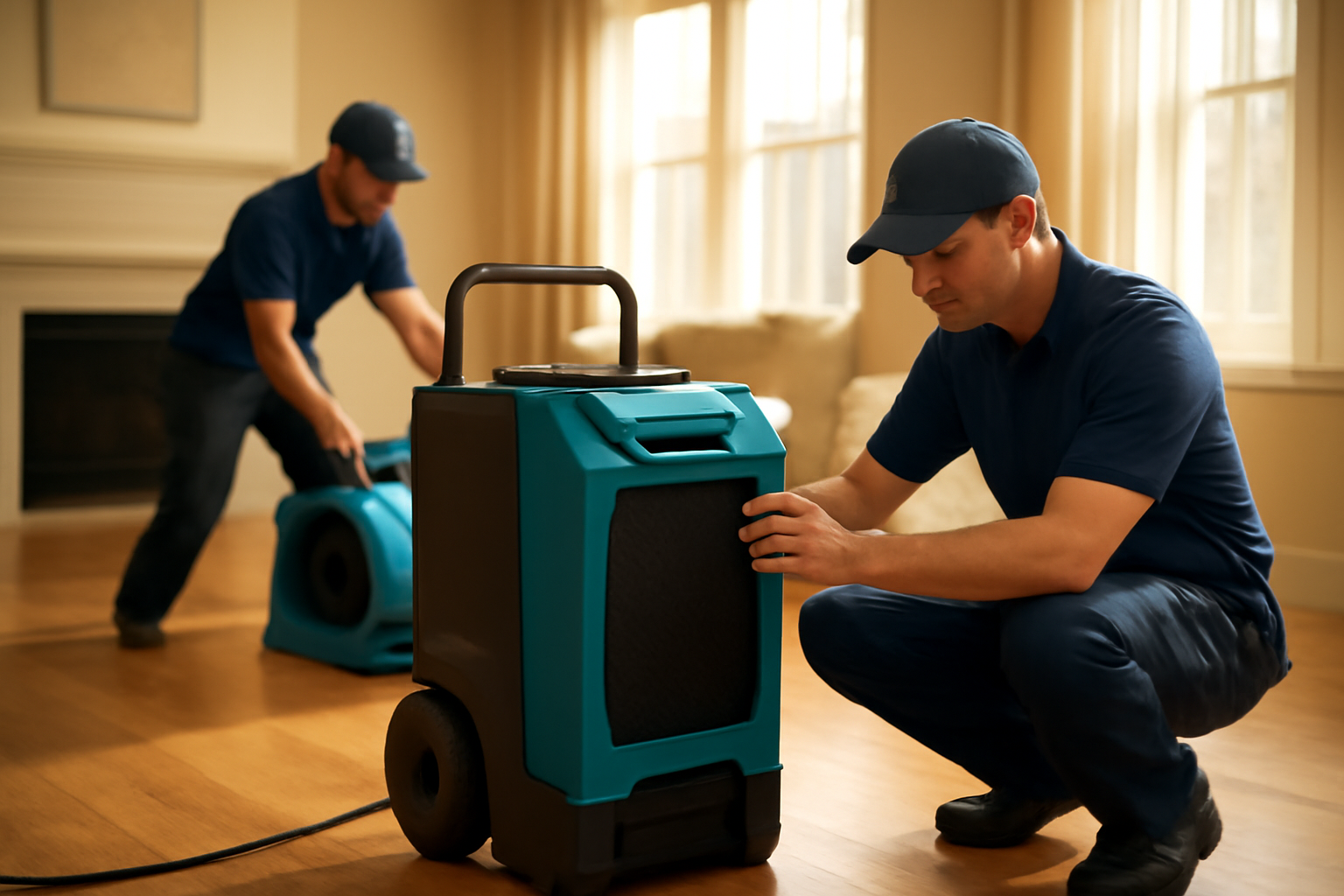
While DIY can save money, some repairs are best left to the pros. Complex issues like major water damage, fire restoration, or structural repairs require expertise. Trying to handle these yourself can be ineffective and dangerous. It’s often better to call a professional right away for these types of jobs.
Timing is Everything: Act Before It Gets Worse
Damage tends to worsen over time if left unaddressed. Water damage can spread, and mold can grow rapidly. Fire damage can lead to further structural decay. The longer you wait, the more extensive and expensive the repairs become. It’s crucial to act before it gets worse.
Flipping Water-Damaged Homes
Flipping a home with a history of water damage requires careful planning. You need to address the original cause of the leak. Then, you must thoroughly dry and repair all affected areas. Ignoring the water damage history can lead to future problems for the buyer. Ensure any past damage disclosure is accurate and complete.
Summer Humidity and Indoor Water Damage
Even without obvious leaks, high summer humidity can cause problems. Condensation can lead to moisture buildup indoors. This creates an environment ripe for mold growth. Being aware of summer humidity and indoor water damage risks is important for all property owners. Proper ventilation and dehumidification can help. It’s often wise to address these issues with remediation before sale to ensure a smooth transaction.
Dryer Vent Fires: A Surprisingly Common Hazard
Did you know that clogged dryer vents are a common cause of house fires? Lint buildup is highly flammable. Regular cleaning of dryer vents is a simple but important maintenance task. This can prevent potentially devastating dryer vent fires: a surprisingly common hazard. Addressing this reduces the risk of fire health hazards and limits toxic smoke exposure.
Conclusion
Investing in damaged properties can be rewarding, but it’s not without its challenges. By understanding the risks associated with water damage, fire, mold, and structural issues, you can make more informed decisions. Always conduct thorough inspections, get professional assessments, and budget realistically for repairs. Remember, sometimes the best investment is in professional restoration services to ensure the property is safe and sound. For expert help with property damage in the Eden Prairie area, consider reaching out to Eden Prairie Restoration Pros. They can help assess and address damage, making your investment safer.
What are the biggest financial risks when buying a damaged property?
The biggest financial risks are underestimating repair costs and encountering unforeseen issues. These can lead to budget blowouts and reduce your profit margin significantly. Always include a healthy contingency fund.
How can I assess the true extent of water damage?
You need a professional inspection. Experts can use specialized equipment to detect moisture deep within walls and structures. They can also identify the source of the leak, which is crucial for a complete repair.
What are the health risks associated with fire-damaged homes?
Fire-damaged homes can contain dangerous toxins from smoke and soot. These can cause respiratory problems and other health issues. Asbestos or lead paint can also be disturbed during the fire or subsequent cleanup.
Is it worth buying a property with a known history of mold?
It can be, but only if the mold has been professionally remediated and the underlying moisture issue resolved. You’ll need proof of proper remediation and assurances that mold won’t return. Be aware of mold disclosure rules.
When should I consider professional restoration instead of DIY repairs?
For any damage that is extensive, involves structural integrity, or poses health risks (like mold or significant smoke damage), professional restoration is highly recommended. They have the expertise, equipment, and safety protocols to handle these situations effectively. It’s best to get expert advice today.