
Trusted by 155+ Homeowners
Can A Water Leak Go Undetected For Years?
- Over 157 5-Star Reviews
- Free Estimates and Quotes
- 100% Satisfaction Guaranteed
- Child, Family & Pet Safe Steps
- 24-Hour Emergency Service
- Fully Licensed & Insured
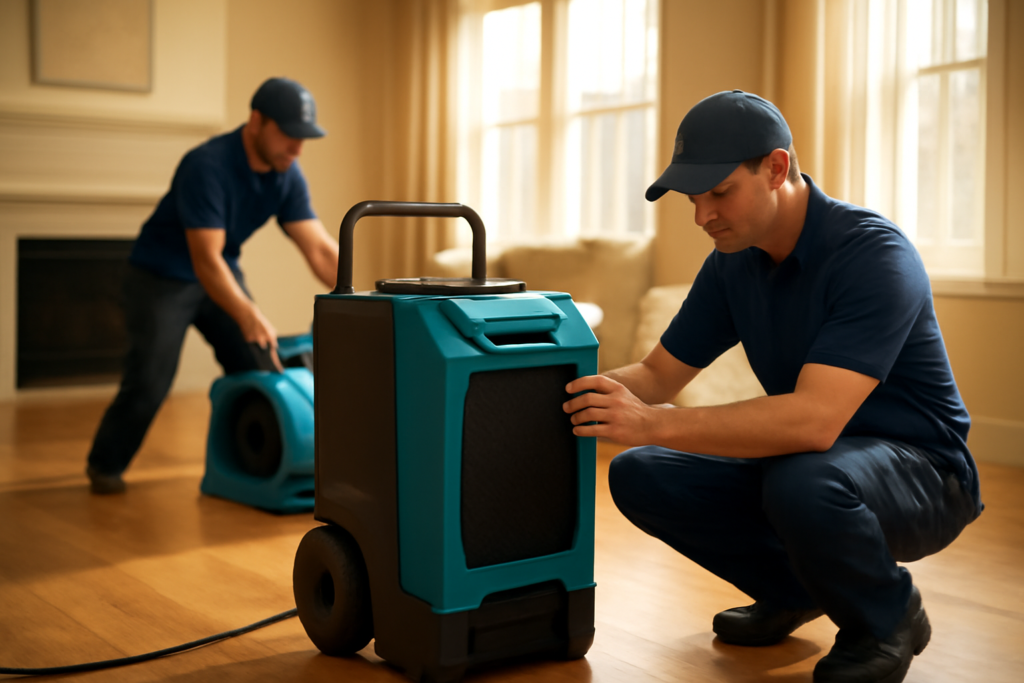
Yes, a water leak can absolutely go undetected for years.
Hidden water damage can cause significant structural issues and health problems before you even notice a problem.
TL;DR:
- Small, slow leaks are often hard to spot.
- Leaks can hide behind walls, under floors, or in attics.
- Signs include musty odors, discolored paint, and warped materials.
- Long-term exposure to moisture leads to mold and structural damage.
- Prompt detection and repair are key to preventing bigger problems.
Can a Water Leak Go Undetected for Years?
It might seem impossible, but a water leak can indeed go undetected for years. Small, slow drips are the usual culprits. They don’t create puddles or obvious wet spots. Instead, they quietly seep into building materials. This gradual wetting can go unnoticed for a long time. Many homeowners assume their plumbing is fine until a major issue arises. But research shows that slow leaks are a common cause of long-term damage. Understanding where leaks hide is the first step in prevention.
The Silent Threat of Small Leaks
Think of a leaky faucet. A single drip might seem insignificant. However, that constant drip adds up over weeks, months, and years. This slow, persistent moisture can saturate drywall, insulation, or subflooring. It creates a perfect environment for mold and rot. These problems develop slowly, often masked by everyday household conditions. You might not see the water, but you could be smelling the effects.
Where Do Leaks Like to Hide?
Leaks often occur in places you don’t see regularly. This includes inside walls, under floorboards, and above ceilings. Leaks from appliances like dishwashers or washing machines can also go unnoticed. Even a tiny crack in a pipe behind a wall can be a hidden menace. These areas lack airflow, making it harder for moisture to evaporate. This prolongs the damage. It’s why understanding 7 surprising causes of water damage in your home is so important.
Common Culprits Behind Hidden Leaks
Several factors contribute to hidden water leaks. Aging pipes are a frequent cause. Over time, pipes can corrode or develop small pinhole leaks. Plumbing failures can happen unexpectedly. Tree roots can also damage underground pipes, causing leaks that are hard to locate. Even faulty seals around tubs, showers, or toilets can allow water to seep behind walls. These are classic examples of hidden plumbing leaks: top causes inside your walls.
The Role of Roofs and Exteriors
Don’t forget about your home’s exterior. A compromised roof is a prime suspect for water intrusion. Missing shingles, damaged flashing, or clogged gutters can all lead to water seeping into your attic or walls. A subtle roof leak connection can go unnoticed for seasons. Rain and snowmelt can find tiny entry points. This water then travels down, potentially causing damage far from the original entry point. It’s a common issue that many homeowners overlook.
Signs You Might Have an Undetected Leak
Even if you don’t see a puddle, there are often subtle clues. A persistent musty smell in your home? It could be water damage is a major red flag. This odor often indicates mold growth. You might also notice discolored or peeling paint on walls or ceilings. Warped floorboards or cabinets are another sign. Even increased humidity levels can point to an unseen moisture problem. Keep an eye out for these warning signs of trouble.
The Smell Test: Your Nose Knows
That musty, earthy smell is your nose telling you something is wrong. It’s the scent of mold and mildew. These fungi thrive in damp environments. Often, the smell is strongest in bathrooms, basements, or laundry rooms. If you notice it, investigate the area thoroughly. Don’t dismiss it as just “an old house smell.” It’s a sign of potential mold growth risk that needs attention.
What Happens When Leaks Go Unchecked?
Allowing leaks to persist can lead to severe consequences. The most immediate concern is the growth of mold and mildew. This can spread rapidly in damp conditions. Beyond mold, structural integrity is compromised. Wood can rot, leading to weakened floors, walls, and ceilings. Electrical wiring can be damaged, creating fire hazards. The costs associated with these issues can be astronomical. It’s why you should not wait to get help.
The Escalation of Damage
What starts as a small drip can become a cascade of problems. Rotting wood can attract pests like termites or carpenter ants. Insulation loses its effectiveness when wet, increasing energy bills. In severe cases, structural collapse is even a possibility. The longer a leak goes undetected, the more extensive and expensive the repairs become. This is why early detection is absolutely critical.
Health Risks of Long-Term Moisture Exposure
Living in a home with hidden water damage poses serious health risks. Mold spores are a common allergen. They can trigger asthma attacks, respiratory infections, and allergic reactions. Headaches, fatigue, and skin irritation are also linked to mold exposure. Children and the elderly are particularly vulnerable. Understanding the health risks involved is vital for your family’s well-being. You don’t want to expose your loved ones to these potential dangers.
Beyond Allergies: More Serious Concerns
Some types of mold can produce mycotoxins. These are toxic compounds that can cause more severe health issues. These can include neurological problems and immune system suppression. The cumulative effect of living with constant moisture and mold can be debilitating. Prioritizing a dry, healthy home environment is essential. It’s about more than just aesthetics; it’s about protecting your family’s health.
How to Detect Hidden Water Leaks
Regular inspections are your best defense. Check under sinks, around toilets, and behind appliances. Look for water stains, soft spots on walls or ceilings, or unusual odors. You can also monitor your water bill. A sudden, unexplained increase could indicate a leak. Moisture meters can help detect dampness in walls and floors. Consider a professional inspection if you have any doubts. Early detection saves money and prevents major headaches.
DIY Checks vs. Professional Help
While DIY checks are useful, some leaks are too well-hidden. Professionals have specialized equipment. They can use thermal imaging cameras and acoustic listening devices. These tools can pinpoint leaks within walls or under slabs. If you suspect a leak, especially a persistent one, it’s wise to call a professional right away. They can accurately diagnose the problem and recommend the best course of action.
The Importance of Prompt Restoration
Once a leak is found, immediate action is crucial. The longer water sits, the more damage it causes. Mold can start growing within 24-48 hours. Prompt water damage restoration stops the spread of damage. It also prevents secondary issues like mold and rot. Addressing the leak and the resulting damage quickly is key to restoring your home’s safety and integrity. Don’t delay in scheduling a free inspection.
| Leak Location | Potential Signs | Severity if Undetected |
|---|---|---|
| Behind Walls | Musty odor, peeling paint, warped drywall | Mold growth, structural rot, electrical hazards |
| Under Floors | Soft spots, warped flooring, unusual smells | Subfloor rot, pest infestation, mold in crawlspace |
| Attic/Ceiling | Water stains, sagging ceiling, mold | Roof damage, insulation damage, structural weakness |
| Around Fixtures | Caulking deterioration, visible moisture | Rotting subfloor, mold, appliance damage |
What You Can Do Right Now
Take a moment to walk through your home. Pay attention to any unusual smells or visual cues. Check areas that are often damp, like bathrooms and kitchens. If you have an unfinished basement or attic, inspect those spaces too. Don’t ignore small signs. They could be indicators of a much larger, developing problem. Act before it gets worse by being observant.
Checklist for Leak Detection:
- Inspect under sinks and around toilets.
- Look for water stains on ceilings and walls.
- Check caulking around tubs and showers.
- Listen for dripping sounds when water is off.
- Monitor your water bill for unexplained spikes.
- Note any persistent musty or moldy odors.
Conclusion
Undetected water leaks are a serious threat to your home and health. They can fester for years, causing extensive damage and creating hazardous conditions. Regular inspections and a keen awareness of subtle signs are your best defense. If you suspect any water intrusion, no matter how small, it’s important to address it promptly. For expert advice and comprehensive restoration services in Eden Prairie, remember that Eden Prairie Restoration Pros are here to help. We understand the urgency and can help restore your peace of mind and your home’s safety.
How long does it take for mold to grow after a leak?
Mold can begin to grow in as little as 24 to 48 hours after a water leak occurs, especially in damp, dark, and humid conditions. The faster the moisture is removed and the area is dried, the less likely mold is to take hold and spread. This is why immediate water extraction is so critical.
What are the first signs of water damage inside a wall?
The first signs of water damage inside a wall often include a musty odor, visible mold growth, or discoloration and peeling paint on the surface of the drywall. You might also notice a soft or spongy feel to the wall. Sometimes, you might hear faint dripping sounds. These are clear indicators of a problem needing investigation.
Can a small leak cause major structural damage?
Yes, a small leak, if left unaddressed for an extended period, can absolutely cause major structural damage. Consistent moisture can lead to wood rot, compromising the integrity of framing, subflooring, and other structural components. It can also weaken drywall and plaster, leading to sagging or collapse. Structural integrity is at risk with prolonged leaks.
Is it safe to live in a home with a known water leak?
It is generally not safe to live in a home with a known water leak, especially if it’s leading to moisture buildup or mold growth. The health dangers involved can range from respiratory issues and allergic reactions to more serious health complications. Furthermore, the structural damage can make the home unsafe. It’s best to address leaks immediately.
How often should I inspect my home for potential leaks?
You should conduct regular visual inspections of your home for potential leaks at least monthly, focusing on high-risk areas like bathrooms, kitchens, basements, and laundry rooms. A more thorough inspection, including checking pipes and water fixtures, can be done quarterly or semi-annually. Regular home maintenance includes looking for these issues.

Levi Lemieux is a licensed Damage Restoration Expert with more than 20 years of hands-on experience in disaster recovery and structural mitigation. As a seasoned industry authority, Levi has dedicated two decades to mastering the technical complexities of environmental safety, providing property owners with the reliable expertise and steady leadership required to navigate high-stress property losses with absolute confidence.
𝗖𝗲𝗿𝘁𝗶𝗳𝗶𝗰𝗮𝘁𝗶𝗼𝗻𝘀: Levi holds elite IICRC credentials, including Water Damage Restoration (WRT), Applied Structural Drying (ASD), Mold Remediation (AMRT), Fire and Smoke Restoration (FSRT), and Odor Control (OCT).
𝗙𝗮𝘃𝗼𝗿𝗶𝘁𝗲 𝗣𝗮𝘀𝘁𝗶𝗺𝗲: When off-site, Levi is a passionate mountain biker and an amateur astronomer, hobbies that reflect the endurance and precision he brings to every restoration project.
𝗕𝗲𝘀𝘁 𝗣𝗮𝗿𝘁 𝗼𝗳 𝘁𝗵𝗲 𝗷𝗼𝗯: He finds the most fulfillment in providing a clear path forward for families, turning a site of devastation back into a safe, comfortable home.