Roof Leak Damage To Attic Insulation: What To Know
Trusted by 155+ Homeowners
Roof leak damage to attic insulation can quickly become a major problem, leading to mold growth and structural issues.
Understanding the signs and causes of attic insulation damage from roof leaks is key to preventing costly repairs and health hazards.
TL;DR:
- Roof leaks are a common cause of attic insulation damage, leading to mold and structural problems.
- Wet insulation loses its R-value, reducing your home’s energy efficiency.
- Signs include water stains, musty odors, sagging ceilings, and visible mold.
- Prompt professional inspection and drying are vital to prevent further damage.
- Addressing the original roof leak source is the first step in restoration.
Roof Leak Damage to Attic Insulation: What to Know
When water finds its way into your attic, your insulation is often the first line of defense to get soaked. This can turn a minor roof issue into a much bigger problem. You might not even realize you have a problem until you see stains or smell that tell-tale musty odor. It’s important to understand how this damage happens and what you can do about it.
Why Attic Insulation Matters
Your attic insulation plays a huge role in your home’s comfort and energy bills. It acts like a blanket, keeping warm air in during the winter and cool air out during the summer. When insulation gets wet, it loses its ability to do its job. This means your HVAC system has to work harder, costing you more money.
The Connection Between Roof Leaks and Insulation
The most common culprit for wet attic insulation is a roof leak. Rain or melting snow can find tiny openings in your roof shingles or flashing. Water then drips down, often collecting in the attic space. This is why understanding the roof leak connection is so important for homeowners. A small roof water damage issue can spread quickly.
Common Causes of Roof Leaks Affecting Attics
Several things can cause a roof to leak into your attic. Damaged or missing shingles are a prime suspect. Age and wear and tear can also make your roof more vulnerable. Sometimes, improper installation or damage from storms can create entry points for water.
Damaged Shingles and Flashing
Shingles protect your home from the elements. When they crack, curl, or go missing, water can seep underneath. Flashing, the metal strips around chimneys, vents, and skylights, can also corrode or become dislodged, creating leaks.
Ice Dams in Winter
During colder months, ice dams can form along the edge of your roof. This happens when snow melts and refreezes. The trapped water can back up under your shingles and find its way into your attic. These water intrusion risks are serious.
Clogged Gutters
Your gutters are designed to channel water away from your home. If they become clogged with leaves and debris, water can overflow. This backed-up water can then seep into your roof and attic. This highlights why roof water damage from gutters is a real concern.
Signs You Have Roof Leak Damage in Your Attic
Catching a leak early is crucial. The sooner you spot the signs, the less damage you’ll have to deal with. Look for these common indicators that water is affecting your attic insulation.
Visible Water Stains or Discoloration
The most obvious sign is water stains on your attic ceiling or rafters. These stains might look like dark spots or rings. They can also appear on the walls near the ceiling. Act before it gets worse and address these early warnings.
Musty or Moldy Odors
Even if you can’t see the water, you might smell it. A persistent musty or damp odor, especially in the attic or upper floors, is a strong indicator of moisture. This smell often means mold is starting to grow, which poses serious health risks.
Sagging Ceiling or Drywall
When insulation gets saturated, it can become very heavy. This extra weight can cause your ceiling drywall to sag. In severe cases, the ceiling could even collapse. This is a clear sign of extensive interior water damage.
Mold or Mildew Growth
Mold loves damp, dark places like attics. If you see fuzzy or slimy patches of black, green, or white growth on your insulation, wood, or drywall, it’s mold. This is a serious problem that requires immediate attention. You should call a professional right away if you suspect mold.
The Impact of Wet Attic Insulation
Water does more than just make your insulation damp. It can lead to a cascade of problems throughout your home. Understanding these impacts can help you appreciate why prompt action is necessary.
Reduced Energy Efficiency
As mentioned, wet insulation loses its ability to insulate. This means your home will be harder to keep warm in winter and cool in summer. Your energy bills will likely increase as your heating and cooling systems work overtime. This reduces your home’s comfort.
Mold and Mildew Growth
Attics provide the perfect environment for mold and mildew to thrive. Mold spores can spread throughout your home, affecting air quality and causing respiratory problems. Removing mold requires specialized cleaning and often involves replacing contaminated materials. This is why restoration cost factors can increase significantly with mold.
Structural Damage
Prolonged moisture in the attic can damage the wooden framing of your roof and ceiling. It can lead to rot, weakening the structure of your home. This can be a very expensive problem to fix. It can also lead to other issues like plumbing failures if pipes are affected.
Pest Infestations
Damp, damaged insulation can attract pests like rodents and insects. They may seek refuge in the moist material, causing further damage and creating unsanitary conditions. Do not wait to get help if you notice these signs.
What to Do When You Discover Roof Leak Damage
Finding water damage in your attic can be alarming. The key is to remain calm and take the right steps to mitigate the damage and begin the restoration process.
Safety First!
Before entering a wet attic, ensure the area is safe. Turn off electricity to any affected circuits to prevent electrical hazards. Be cautious of weakened ceiling materials that could collapse. Your personal safety is the top priority.
Identify and Stop the Source of the Leak
The most critical step is to find out where the water is coming from and stop it. This usually means repairing your roof. If you can’t identify the source or are uncomfortable working on your roof, get expert advice today.
Document the Damage
Take photos and videos of the water damage. This documentation is essential if you plan to file an insurance claim. Record the extent of the damage, including wet insulation, stains, and any mold growth.
Contact a Restoration Professional
Dealing with water-damaged insulation and potential mold requires specialized knowledge and equipment. A professional restoration company can properly dry out the affected areas, remove damaged materials, and prevent further issues. They have the tools to accurately assess repair costs involved.
Professional Restoration Process
Restoration experts use a systematic approach to tackle attic water damage. This ensures that your home is dried thoroughly and safely.
Inspection and Assessment
Professionals will conduct a thorough inspection to determine the extent of the water damage and identify the source. They will check for hidden moisture using specialized equipment.
Water Extraction and Drying
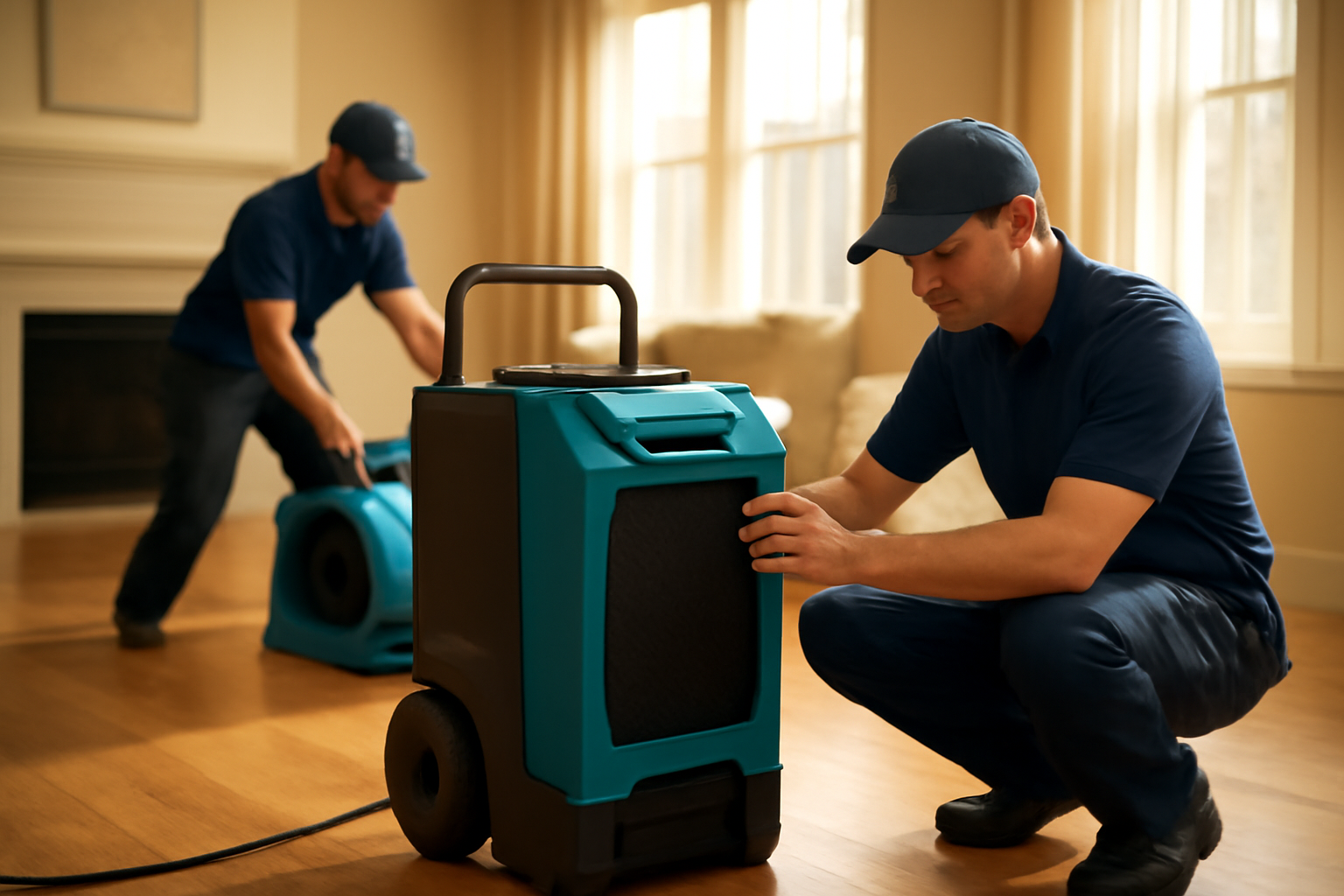
Industrial-grade dehumidifiers and air movers are used to remove moisture from the air and building materials. This process can take several days to ensure complete drying.
Mold Remediation
If mold is present, it will be safely removed according to industry standards. This often involves containment and specialized cleaning techniques.
Insulation and Material Replacement
Severely damaged or mold-infested insulation will be removed and replaced. Any other damaged building materials, like drywall or wood, will also be repaired or replaced.
Conclusion
Roof leaks can cause significant damage to your attic insulation, leading to reduced energy efficiency, mold growth, and structural problems. Recognizing the signs early and taking prompt action is key to minimizing the impact. If you discover water damage in your attic, it’s essential to address the roof leak and call a trusted restoration professional. Eden Prairie Restoration Pros has the expertise to handle all types of water damage, ensuring your home is safely and effectively restored. We are here to help you navigate this stressful situation.
What is the R-value of insulation and why does it matter?
The R-value measures an insulation material’s resistance to heat flow. Higher R-values mean better insulation. When insulation gets wet, its R-value dramatically decreases, making it less effective at keeping your home warm or cool. This can lead to higher energy bills and decreased comfort.
Can I dry out wet attic insulation myself?
While some minor dampness might be manageable, extensive water damage to attic insulation is best left to professionals. They have specialized equipment to ensure complete drying and prevent mold growth. DIY attempts may not be thorough enough, leading to hidden moisture and future problems.
How long does it take to dry out an attic after a leak?
The drying time can vary greatly depending on the extent of the water damage, the type of insulation, and the humidity levels. It can take anywhere from a few days to over a week. Professionals use advanced drying techniques to speed up the process safely.
Is it always necessary to replace insulation after a roof leak?
Not always. If the insulation is only slightly damp and has been thoroughly dried and inspected for mold, it might be salvageable. However, if the insulation is heavily saturated, visibly moldy, or has lost its loft, replacement is usually necessary to ensure proper performance and prevent future issues.
How can I prevent future roof leaks from damaging my attic insulation?
Regular roof inspections and maintenance are crucial. Keep your gutters clean, trim overhanging branches, and have your roof checked for damaged or missing shingles, especially after severe weather. Addressing minor roof issues promptly can prevent major water damage to your attic.