
Crawl Space Insulation Damage: Repair Or Replace?
Trusted by 155+ Homeowners
Crawl space insulation damage can occur from moisture, pests, or wear and tear. Repairing or replacing damaged insulation depends on the extent of the damage and the type of insulation.
Understanding when to repair versus replace crawl space insulation is key to preventing further property issues and maintaining energy efficiency.
TL;DR:
- Assess the type and extent of damage to your crawl space insulation.
- Moisture is a common culprit, leading to mold and degradation.
- Pests can also damage insulation, leaving droppings and nesting materials.
- Small tears or compressed areas might be repairable.
- Extensive mold, pest infestation, or crumbling insulation usually requires full replacement.
- Consulting a professional restoration company is often the best approach.
Crawl Space Insulation Damage: Repair or Replace?
Deciding whether to repair or replace damaged crawl space insulation can feel like a tough call. You want to fix the problem without overspending. But what’s the right move for your home?
The short answer is: it depends. We’ll help you figure out if a simple patch-up will do or if a full overhaul is needed.
Common Causes of Crawl Space Insulation Damage
Your crawl space is often out of sight, out of mind. This makes it a prime spot for things to go wrong unnoticed. Common culprits include moisture, pests, and general aging.
Moisture is a big one. Leaks, high humidity, or poor drainage can make your insulation wet. This can lead to mold growth and material breakdown. It’s a common issue, especially with areas prone to basement water issues.
Moisture and Mold Growth
When insulation gets wet, it loses its effectiveness. It can become a breeding ground for mold and mildew. This isn’t just bad for the insulation; it poses serious health risks to you and your family.
Mold spores can travel through your home’s ventilation system. This can trigger allergies and respiratory problems. If you suspect mold, you need to call a professional right away.
Pest Infestations
Mice, rats, insects, and other critters love to make homes in crawl spaces. They can tear up insulation for nesting material. They also leave behind droppings, which can be unsanitary.
Pest damage can be extensive. It’s not just about the holes they chew. Their waste can contaminate the insulation and surrounding areas. This contamination requires careful cleanup.
Wear and Tear Over Time
Insulation doesn’t last forever. Over many years, it can compress, sag, or crumble. This is especially true for older types of insulation like fiberglass batts.
Settling can create gaps. These gaps let conditioned air escape your home. This makes your heating and cooling systems work harder. It’s a slow drain on your energy budget.
Assessing the Damage: Repair vs. Replace
How do you know if you can just patch it up or if you need to replace everything? A careful inspection is your first step.
Look for the extent of the damage. Is it a small tear, or is a large section compromised? The type of insulation also plays a role. Some materials are easier to repair than others.
When Repair Might Be an Option
Minor issues might be fixable. If you find a small tear in a fiberglass batt that isn’t moldy, you might be able to patch it. Sometimes, simply re-fluffing compressed insulation can help.
However, even small repairs need to be done correctly. Improper patching can leave gaps. It might not restore the insulation’s full R-value. For DIY repairs, it’s often best to stick to very minor cosmetic fixes.
When Replacement is Necessary
If your insulation is heavily water-damaged, moldy, or infested with pests, replacement is usually the only safe option. Trying to clean and reuse contaminated insulation is risky.
Crumbling insulation that has lost its structure also needs replacing. You can’t effectively restore its thermal performance. This is when you need to act before it gets worse.
The Importance of Professional Assessment
Figuring out the full extent of damage can be tricky. Professionals have the tools and experience to identify all issues. They can spot mold you might miss or assess structural damage.
A professional assessment ensures you make the right decision. It prevents costly mistakes down the line. They can also advise on the best replacement materials for your home’s needs.
Understanding Different Insulation Types
The type of insulation in your crawl space affects repairability. Fiberglass batts are common but can sag and be damaged by moisture. Spray foam offers a better air seal but can be harder to repair if damaged.
Rigid foam boards are durable but can be punctured or degraded by pests. Each type has pros and cons when damage occurs.
Fiberglass and Mineral Wool
These fibrous materials are common. They are effective insulators when dry and intact. However, they readily absorb moisture. Once wet, they can harbor mold and lose their loft.
Repairing them often means replacing damaged sections. You can’t easily re-fluff truly degraded material. It’s often best to get expert advice today.
Spray Foam Insulation
Spray foam offers excellent insulation and air sealing. It expands to fill gaps. If damaged by pests or water, it can be difficult to repair seamlessly.
Small holes might be patched, but larger areas often require reapplication. This can be more costly than other types of insulation. It’s crucial to address the source of damage.
Rigid Foam Boards
These are often used for foundation walls in crawl spaces. They are moisture-resistant but can be chewed by pests or degraded by chemicals.
Damaged sections typically need to be cut out and replaced with new boards. Ensuring a good seal between boards is important for performance.
Potential Risks of Ignoring Crawl Space Insulation Damage
Ignoring damaged insulation can lead to a cascade of problems. It’s not just about comfort; it’s about the health of your home.
Your energy bills will likely increase. You might notice drafts or uneven temperatures. Pests might find their way into your home more easily.
Increased Energy Costs
Insulation’s main job is to keep conditioned air inside. Damaged insulation lets that air escape. This forces your HVAC system to run more often.
This leads to higher heating and cooling bills. Over time, this waste of energy adds up significantly. You are essentially paying to heat or cool the outdoors.
Structural and Moisture Problems
Wet insulation can lead to moisture buildup on joists and subflooring. This can cause wood rot and compromise your home’s structure. It can also contribute to basement flooding risk.
This moisture can also attract more pests. It creates a damp, dark environment that many creatures love. Addressing the root cause of moisture is key.
Indoor Air Quality Concerns
As mentioned, mold and mildew thrive in damp insulation. These can release spores into your living space. This can worsen allergies and cause respiratory issues.
Pest droppings can also contaminate the air. If you notice musty odors or unexplained allergy symptoms, check your crawl space. You might have a hidden problem related to basement water issues.
The Restoration Process: What to Expect
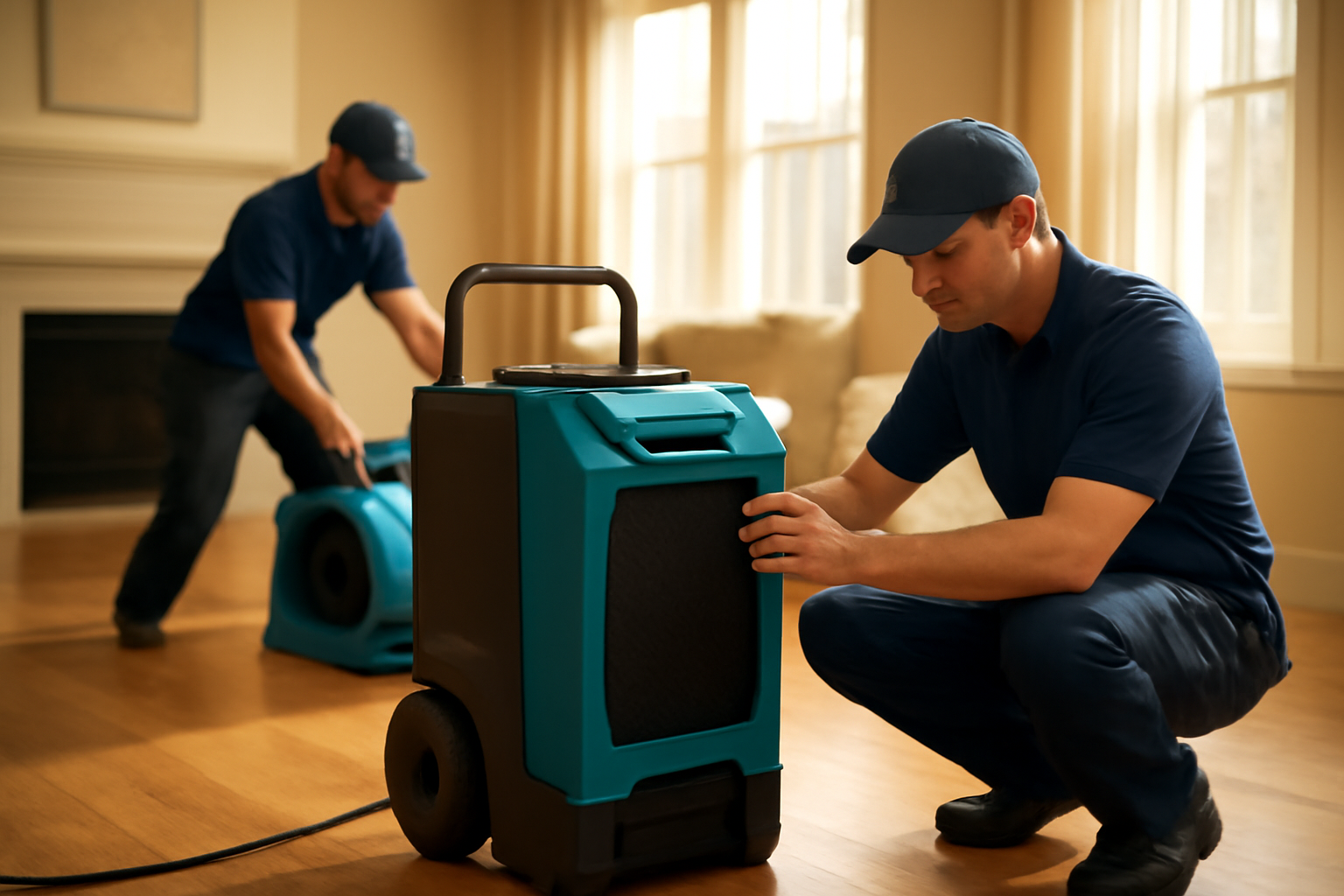
If your insulation needs replacement, a professional restoration company will handle it. They will first remove the old, damaged material safely.
They will then thoroughly clean and dry the area. This is critical to prevent future mold growth. They will also address any underlying issues, like leaks or pest entry points. Finally, they will install new, high-quality insulation.
Removing Old Insulation
Professionals use specialized equipment to remove damaged insulation. This ensures they capture as much of the debris as possible. They take precautions to prevent airborne particles.
This step is crucial for a clean slate. It removes potential contaminants like mold spores and pest waste. It prepares the space for new insulation.
Cleaning and Deodorizing
After removal, the crawl space will be cleaned. This might involve HEPA vacuums and antimicrobial treatments. Deodorizing helps eliminate musty smells.
This ensures the environment is healthy before new insulation goes in. It tackles odors at their source. It’s a vital step for improving your home’s air.
Installing New Insulation
New insulation will be chosen based on your home’s needs and climate. Professionals ensure it’s installed correctly for maximum efficiency.
Proper installation means no gaps or compression. This restores your home’s energy efficiency. It also helps maintain a more consistent temperature. Ignoring damage can lead to costly repairs; for example, understanding how much does basement flood cleanup cost can be a wake-up call.
Making the Right Choice for Your Home
Deciding on repair or replacement is a big step. It impacts your comfort, your health, and your wallet.
When in doubt, always err on the side of caution. A professional inspection can provide clarity. They can offer tailored solutions for your specific situation.
When to Call a Professional
If you suspect any damage to your crawl space insulation, it’s wise to get professional help. Especially if you see signs of mold, water damage, or pest activity.
A restoration company can perform a detailed inspection. They can identify the source of the problem. This helps prevent future occurrences. For example, understanding how much does foundation water damage repair cost can highlight the importance of early intervention.
Conclusion
Crawl space insulation damage can range from minor wear to severe contamination. Knowing when to repair and when to replace is key to protecting your home’s integrity, energy efficiency, and indoor air quality. For residents in Eden Prairie, facing insulation damage means you need a reliable partner. Eden Prairie Restoration Pros offers expert assessments and professional restoration services to ensure your crawl space is properly insulated and healthy.
How can I tell if my crawl space insulation is damaged?
Look for signs like visible mold, dampness, musty odors, torn or compressed material, and pest droppings. If you notice any of these, a professional inspection is recommended.
Is it safe to go into a crawl space with damaged insulation?
It can be risky. Damaged insulation may contain mold, which can cause respiratory issues. Pests and their waste can also pose health hazards. It’s best to have professionals assess the situation.
What is the most common type of crawl space insulation?
Fiberglass batts and rolls are very common. Rigid foam boards are often used on crawl space walls. Spray foam insulation is also increasingly popular for its air-sealing properties.
Can water damage to insulation be repaired?
Minor dampness might be dried out, but if mold has started to grow or the material has degraded, replacement is usually necessary for safety and effectiveness.
How often should crawl space insulation be inspected?
It’s a good idea to inspect it at least annually, or after any major weather event, such as heavy rain or flooding. This helps catch problems early, preventing them from escalating into bigger issues like those that might cause basement flooding risk.