
Trusted by 155+ Homeowners
What Causes A Sewage Backup In Your Home?
- Over 157 5-Star Reviews
- Free Estimates and Quotes
- 100% Satisfaction Guaranteed
- Child, Family & Pet Safe Steps
- 24-Hour Emergency Service
- Fully Licensed & Insured
Sewage backups can happen for many reasons, often due to clogs, pipe damage, or overwhelmed sewer systems.
Understanding these causes is the first step to preventing and managing this messy problem.
TL;DR:
- Clogged pipes are a primary cause of sewage backups.
- Tree roots can invade and block sewer lines.
- Main sewer line issues or municipal system overload can lead to backups.
- Damaged or collapsed pipes prevent proper waste flow.
- Heavy rainfall can overwhelm sewer systems, causing backups.
What Causes a Sewage Backup in Your Home?
A sewage backup is more than just unpleasant; it’s a serious plumbing emergency. Understanding what causes a sewage backup is key to preventing it. We often see it happen when your home’s drainage system gets overwhelmed or blocked. This can lead to dirty water backing up into your sinks, toilets, and showers. It’s a problem no homeowner wants to face, and knowing the culprits helps protect your property.
Common Culprits Behind Sewage Backups
Several factors can contribute to sewage backups. These issues range from simple blockages to more complex infrastructure problems. Often, it’s a combination of factors that leads to the mess. Let’s break down the most frequent causes.
Clogged Drain Pipes
The most common reason for a sewage backup is a clogged drain pipe. Over time, grease, hair, food particles, and other debris can build up. This buildup narrows the pipes. Eventually, it can create a complete blockage. When this happens, wastewater has nowhere to go but back up into your home. This is especially true for the main sewer line connecting your house to the city’s system.
Tree Root Intrusion
Outside your home, tree roots are a sneaky enemy of your sewer lines. Plant roots are naturally drawn to water and nutrients. They can seek out tiny cracks in your pipes. Once inside, roots can grow and multiply. They create a dense network that blocks sewage flow. This root intrusion can cause significant damage and recurring backups.
Issues with the Main Sewer Line
Sometimes, the problem isn’t within your home’s pipes but in the municipal sewer line. If the city’s main sewer line is blocked or damaged, it can affect multiple homes. Backups can occur when the main line can’t handle the flow. This is often seen during periods of heavy usage or storms. You might notice sewage backing up in low-lying drains first.
Damaged or Collapsed Pipes
Older homes may have pipes that are deteriorating. Age, ground shifting, or external pressure can cause pipes to crack, break, or even collapse. A damaged sewer pipe can’t transport waste effectively. This leads to blockages and backups. Sometimes, minor damage can go unnoticed for a while, leading to gradual issues before a full backup. You may experience slow drains as an early warning sign.
Heavy Rainfall and Storms
Excessive water entering the sewer system can cause it to overflow. Heavy rain, snowmelt, or flooding can overwhelm both your home’s drains and the city’s infrastructure. This is known as a stormwater infiltration issue. When the system is overloaded, sewage can be forced back up into your home. This highlights the importance of proper grading around your home to manage surface water.
Less Common, But Still Possible Causes
While the above are the main culprits, other factors can contribute to sewage backups. These might be less frequent but are still important to consider for a complete understanding.
Improper Flushing Habits
Flushing items that shouldn’t go down the toilet is a common mistake. Things like feminine hygiene products, paper towels, diapers, and excessive toilet paper don’t break down easily. They can accumulate in your pipes. Over time, these can create stubborn clogs. This is a simple habit change that can prevent common clogs and backups.
Grease and Fat Buildup
Pouring grease, oil, and fats down your kitchen sink is a recipe for disaster. These substances solidify as they cool. They coat the inside of your pipes. This coating traps other debris. It gradually narrows the pipe until a blockage forms. Regular drain cleaning and proper disposal of grease are essential.
Sewer Line Blockages Beyond Your Property
Sometimes, the blockage might be further down the line, outside your immediate property but before the main municipal sewer. This could be due to debris accumulation, accidental damage from construction, or even foreign objects entering the line. Identifying the exact location of the blockage is key for effective repair.
Septic System Issues (If Applicable)
If your home is not connected to a municipal sewer system, you likely have a septic tank. A failing or full septic tank can cause sewage to back up into your home. This happens when the tank can no longer properly process wastewater. Regular pumping and maintenance of your septic system are vital to prevent these backups. Neglecting this can lead to costly repairs and environmental issues.
What to Do When Sewage Backs Up
Discovering a sewage backup is a stressful situation. The immediate priority is safety and preventing further damage. You must act quickly to mitigate damage. Sewage contains harmful bacteria and pathogens. It poses serious health risks. Therefore, do not attempt to clean it up yourself without proper protective gear and knowledge.
Safety First!
Before entering affected areas, ensure electricity is shut off to prevent electrocution. Avoid touching contaminated items or water. If you have children or pets, keep them away from the area entirely. Your family’s safety is the top priority.
Call a Professional Immediately
The best course of action is to call a professional restoration company right away. They have the specialized equipment and expertise to handle sewage cleanup safely and effectively. They can also identify the cause of the backup and perform necessary repairs. For homeowners in the Eden Prairie area, Eden Prairie Restoration Pros is a trusted resource for these emergencies.
Document the Damage
While waiting for professionals, take photos or videos of the backup and any resulting damage. This documentation can be helpful for insurance claims. It captures the extent of the problem before any cleanup begins. This is an important step for insurance purposes.
Preventing Future Sewage Backups
Once the immediate crisis is resolved, focus on prevention. Regular maintenance can save you from future headaches. Simple steps can make a big difference in protecting your home. Don’t underestimate the power of good plumbing habits.
Regular Drain Cleaning
Schedule regular professional drain cleaning. This removes built-up grease, hair, and debris before they cause blockages. Consider using drain screens to catch hair and food particles. This is a simple way to keep your drains clear.
Be Mindful of What Goes Down Drains
Educate everyone in your household about what can and cannot be flushed or poured down drains. Remember, only human waste and toilet paper should go down the toilet. Keep kitchen grease and harsh chemicals out of sinks.
Tree Root Management
If you have trees near your sewer line, consider root barriers or regular root pruning. Have your sewer line inspected periodically for any signs of intrusion. This can prevent costly damage down the line. Sometimes, specific treatments can deter roots. You might need to consider pipe maintenance tips.
Consider Sewer Line Inspections
Periodically inspect your sewer lines, especially if your home is older or you’ve experienced backups before. A camera inspection can reveal hidden problems like cracks or root intrusion. Addressing these issues early can prevent major failures. It’s a good way to understand the condition of your pipes.
Manage Water Flow
Ensure your yard slopes away from your foundation. Check your gutters and downspouts to ensure they direct water away from your home. This helps prevent excess water from overwhelming your drainage system. This is part of good property maintenance.
Proper Winter Preparation
In colder climates, take steps to prevent pipe freezing. Frozen pipes can burst, leading to flooding and potential sewage backup issues. Ensure proper insulation and understand freeze prevention steps. Winter water damage can be extensive.
Avoid Overloading Drains
During heavy rain or snowmelt, be mindful of how much water is going down your drains. Avoid running multiple water-heavy appliances at once if you suspect your system might be strained. This is especially true if you’ve experienced backups during wet weather.
The Aftermath of a Sewage Backup
Dealing with the aftermath of a sewage backup is challenging. Beyond the immediate cleanup, there’s the potential for lingering odors and mold growth. The water damage aftermath can be extensive. It’s crucial to ensure thorough drying and sanitization. This prevents secondary damage and health concerns. We found that incomplete drying is a common reason for long-term problems. The moisture spread can be insidious.
Hidden Dangers
Sewage can seep into porous materials like drywall, carpets, and subflooring. These materials can be difficult to clean thoroughly. If not properly addressed, they can become breeding grounds for mold and bacteria. This is why professional remediation is so important, even for seemingly minor backups. Sometimes, hidden plumbing leaks can lead to similar issues.
Restoration Process
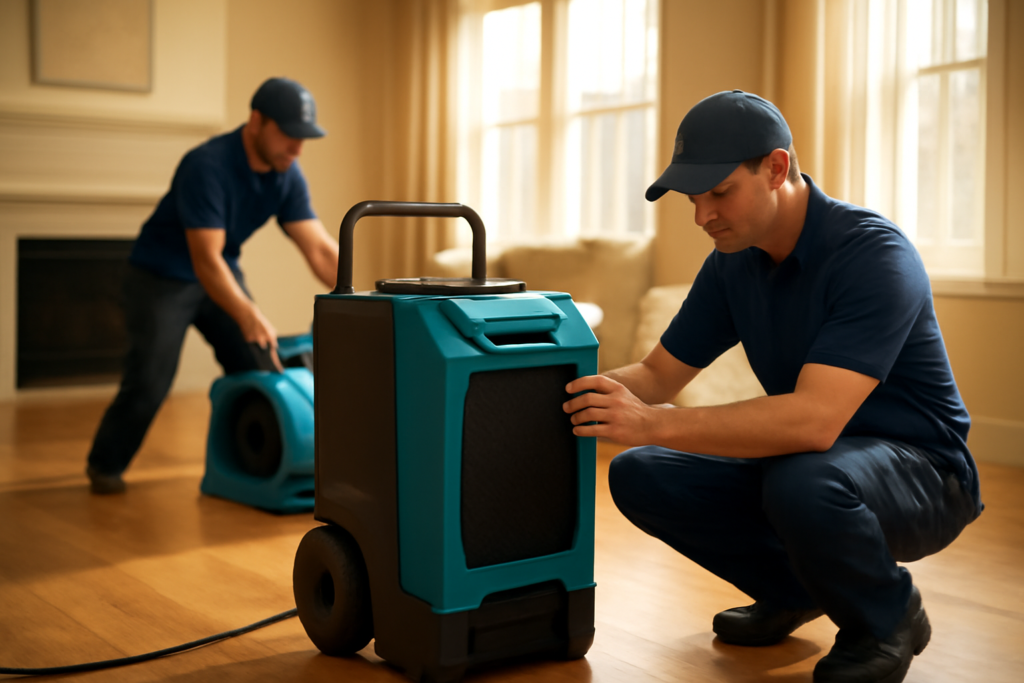
Professional restoration services involve containment of the affected area, removal of contaminated materials, thorough cleaning and sanitization, and complete drying. They use specialized equipment like air movers and dehumidifiers to ensure the space is returned to a safe and healthy condition. They can also assess if there’s been moisture spread to other areas.
When Pipes Burst
A burst pipe can cause significant flooding, and sewage backups can sometimes be a related issue. Understanding how fast can a burst pipe flood your home is critical. The damage can escalate rapidly, making immediate professional attention essential. Addressing water damage aftermath promptly is key.
Roof Issues and Water Damage
While not directly related to sewage backups, other water damage sources like roof leaks can also create extensive problems. Sometimes, homeowners overlook the potential for damage from above. It’s important to remember that why your roof is the #1 source of water damage can be due to many factors.
Conclusion
Sewage backups are a serious plumbing concern caused by clogs, root intrusion, pipe damage, or sewer system overload. Understanding these causes is the first step towards prevention. If a backup does occur, it’s vital to prioritize safety and call a professional right away. For those in the Eden Prairie area facing such a crisis, Eden Prairie Restoration Pros offers experienced and reliable restoration services to help you recover from water damage and get your home back to normal. Don’t wait to get help when dealing with sewage issues.
What is the most common cause of a sewage backup?
The most frequent cause of sewage backups is a clogged drain pipe. This can happen in your home’s internal plumbing or further down the main sewer line connecting to the municipal system. Buildup of grease, hair, food waste, and foreign objects are primary culprits.
Can tree roots really cause sewage backups?
Yes, tree roots are a surprisingly common cause of sewage backups. Roots are attracted to the water and nutrients in sewer lines. They can infiltrate pipes through small cracks, grow inside, and create significant blockages that impede wastewater flow. Root intrusion can be a persistent problem.
What should I do if I suspect a sewage backup?
If you suspect a sewage backup, do not wait to get help. First, ensure your safety by turning off electricity to affected areas. Avoid contact with the sewage water. Then, immediately call a professional restoration service. They have the expertise and equipment to handle the situation safely and effectively.
How can I prevent sewage backups in my home?
Prevention involves several practices. Be mindful of what you flush and pour down drains, avoid flushing non-biodegradable items, manage grease disposal carefully, and consider regular drain cleaning. If you have trees near your sewer line, address potential root intrusion. Regular pipe maintenance tips can go a long way.
Is sewage backup water dangerous?
Yes, sewage backup water is extremely dangerous. It contains harmful bacteria, viruses, and other pathogens. Exposure can lead to severe health issues. It is considered a biohazard, and professional cleanup is necessary to ensure the area is safely sanitized. There are serious health risks associated with it.

Levi Lemieux is a licensed Damage Restoration Expert with more than 20 years of hands-on experience in disaster recovery and structural mitigation. As a seasoned industry authority, Levi has dedicated two decades to mastering the technical complexities of environmental safety, providing property owners with the reliable expertise and steady leadership required to navigate high-stress property losses with absolute confidence.
𝗖𝗲𝗿𝘁𝗶𝗳𝗶𝗰𝗮𝘁𝗶𝗼𝗻𝘀: Levi holds elite IICRC credentials, including Water Damage Restoration (WRT), Applied Structural Drying (ASD), Mold Remediation (AMRT), Fire and Smoke Restoration (FSRT), and Odor Control (OCT).
𝗙𝗮𝘃𝗼𝗿𝗶𝘁𝗲 𝗣𝗮𝘀𝘁𝗶𝗺𝗲: When off-site, Levi is a passionate mountain biker and an amateur astronomer, hobbies that reflect the endurance and precision he brings to every restoration project.
𝗕𝗲𝘀𝘁 𝗣𝗮𝗿𝘁 𝗼𝗳 𝘁𝗵𝗲 𝗷𝗼𝗯: He finds the most fulfillment in providing a clear path forward for families, turning a site of devastation back into a safe, comfortable home.