
Trusted by 155+ Homeowners
How Fast Can A Burst Pipe Flood Your Home?
- Over 157 5-Star Reviews
- Free Estimates and Quotes
- 100% Satisfaction Guaranteed
- Child, Family & Pet Safe Steps
- 24-Hour Emergency Service
- Fully Licensed & Insured
A burst pipe can flood your home surprisingly fast, often within minutes.
You might have only a short window to act before serious water damage occurs.
TL;DR:
- Burst pipes release water rapidly, causing floods in minutes.
- Standing water can damage floors, walls, and belongings quickly.
- Mold can start growing within 24-48 hours.
- Water damage spreads fast, affecting structural integrity.
- Professional help is essential for effective drying and restoration.
How Fast Can a Burst Pipe Flood Your Home?
It’s a common misconception that a burst pipe is a slow leak. In reality, a compromised pipe can unleash a torrent of water. This can quickly turn a small problem into a major flood event. Think of it like a dam breaking; the water pressure behind the pipe is significant. When that barrier fails, the water escapes with incredible force. You might not even hear the initial burst over everyday household noises.
The Speed of Water Damage
Water damage doesn’t wait for you to notice. It starts affecting your home the moment the pipe bursts. Within minutes, water can begin pooling on floors. It can seep into subflooring and carpets. The longer water sits, the more damage it causes. This is why quick action is so important after a pipe bursts. You are facing immediate interior water damage.
Minutes to Hours: The Critical Window
In the first few minutes, you’ll see visible pooling water. This is the initial stage of flooding. Within an hour, water can spread to adjacent rooms. It can begin to soak into drywall and furniture. Materials like drywall and wood are highly absorbent. They will quickly soak up water, leading to swelling and weakening.
By the 24-hour mark, the situation escalates dramatically. Water can reach lower levels of your home, like basements. Structural components can begin to weaken. This is where the water intrusion risks become much more serious. Mold and mildew can also start to grow. This poses potential health concerns.
Understanding Water Pressure and Flow
Your home’s plumbing system operates under pressure. This pressure forces water through the pipes to your faucets and appliances. When a pipe bursts, this stored pressure is released. The rate of water flow depends on the size of the break. A small crack might release water slowly. A complete rupture can release gallons per minute. It’s this high flow rate that causes rapid flooding. The water doesn’t just sit there; it actively spreads.
The Role of Pipe Location
Where the pipe bursts matters. A pipe in a basement or crawl space might flood that area first. If it’s on an upper floor, water can travel downwards through ceilings and walls. This can affect multiple levels of your home. Imagine a waterfall effect, but inside your house. This can be devastating for belongings and the structure itself. It also creates significant interior water damage.
What Happens When Water Spreads?
Water seeks the lowest level. It will flow through floors, under baseboards, and into wall cavities. This hidden movement is a major concern. It can compromise electrical wiring and create slip hazards. The damage isn’t always immediately visible. You might not see the full extent of the problem for days. This is why you should call a professional right away.
Damage to Materials
Different materials react differently to water. Drywall can become saturated and lose its structural integrity. Wood can warp, swell, and rot. Carpeting can become permanently stained and must be replaced. Even metal pipes can corrode faster when exposed to prolonged moisture. Understanding these material reactions helps appreciate the speed of damage.
The Silent Threat: Mold Growth
Mold is a serious consequence of water damage. It thrives in damp environments. Many types of mold can begin to grow within 24 to 48 hours after water exposure. If the area is not thoroughly dried, mold can spread rapidly. This can lead to respiratory problems and allergic reactions. Mold remediation is a specialized process. It requires professional attention to ensure it’s done safely and effectively. You don’t want to face serious health risks from mold.
Hidden Plumbing Leaks
Sometimes, a burst pipe is the result of an ongoing issue. Hidden plumbing leaks can weaken pipes over time. Corrosion, freezing, or physical damage can all contribute. These underlying problems can lead to a sudden, catastrophic burst. Addressing small leaks early can prevent major disasters. We found that many homeowners underestimate the impact of slow leaks.
Here’s a quick look at how quickly things can escalate:
| Time After Burst Pipe | Potential Damage |
|---|---|
| Minutes | Visible pooling, initial saturation of flooring. |
| 1-24 Hours | Water spreads to adjacent rooms, soaks into walls and furniture, mold begins to grow. |
| 24-48 Hours | Significant mold growth, drywall weakens, potential structural issues begin. |
| 3-7 Days | Widespread mold, severe structural damage, potential for electrical hazards. |
Why You Cannot Wait to Get Help
The speed at which a burst pipe floods your home means time is of the essence. Every minute counts. Delaying action allows water to penetrate deeper into your home’s structure. It also gives mold more time to grow. The longer water sits, the more expensive and extensive the repairs will be. You must not wait to get help.
DIY vs. Professional Restoration
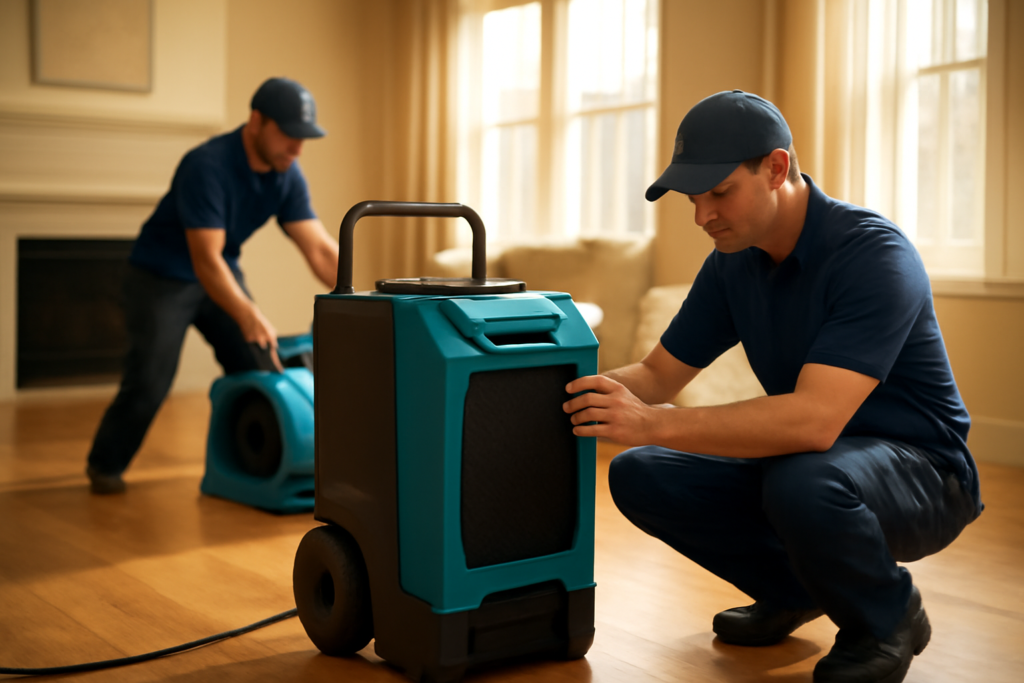
While it’s tempting to handle water damage yourself, it’s often not enough. A burst pipe flood requires specialized equipment and expertise. Professionals have industrial-strength water extractors, dehumidifiers, and air movers. They can quickly and effectively remove water and dry out your home. This prevents further damage and mold growth. They know how pros dry out a flooded home: step by step.
Insurance Considerations
Understanding your homeowner’s insurance policy is important. Many policies cover sudden and accidental water damage from burst pipes. However, they typically do not cover damage from neglect or poor maintenance. It’s wise to document the damage with photos and videos. Contact your insurance company promptly. They will likely send an insurance adjuster visit to assess the damage. You may need to file a storm damage claim if the burst pipe was related to extreme weather.
Preventing Future Problems
Regular maintenance can help prevent burst pipes. Insulate pipes in unheated areas like attics and crawl spaces. During cold weather, let faucets drip slightly to keep water moving. If you’re going away for an extended period in winter, drain your pipes or keep your home heated. Consider having a plumber inspect older pipes. This can help identify potential weak spots. Even garages can suffer from water damage, so inspect them too. Check for issues related to garage water damage: flooding leaks and prevention.
What to Do Immediately After a Burst Pipe
If you discover a burst pipe, act fast:
- Shut off the main water supply to your home.
- If safe to do so, turn off electricity to the affected area.
- Remove standing water if possible, using buckets or wet vacuums.
- Move furniture and belongings away from the wet area.
- Open windows and doors to improve ventilation (if weather permits).
- Call a water damage restoration professional immediately.
Remember, tackling a burst pipe flood yourself can be dangerous and ineffective. You need to act before it gets worse.
Conclusion
A burst pipe can indeed flood your home with alarming speed, often within minutes, leading to rapid and extensive damage. Understanding this urgency is key to mitigating the worst effects. From saturated materials to the lurking threat of mold, the consequences escalate quickly. For effective and thorough water damage restoration, especially after a burst pipe, it’s crucial to rely on experienced professionals. At Eden Prairie Restoration Pros, we are equipped with the knowledge and tools to handle these emergencies, helping you restore your home and peace of mind. Get expert advice today.
How quickly does water spread from a burst pipe?
Water from a burst pipe can start spreading within minutes, pooling on floors and beginning to saturate materials. Within an hour, it can move to adjacent rooms and begin soaking into walls and furniture.
What is the biggest risk associated with a burst pipe flood?
The biggest risk is the speed at which damage occurs and the potential for mold growth. Mold can begin to grow within 24-48 hours if the area isn’t properly dried, leading to health issues and further property damage.
Can I dry out a home after a burst pipe myself?
While you can remove some standing water, professional drying is usually necessary. Restoration companies use specialized equipment to extract deep moisture and prevent long-term issues like mold and structural weakening. You might be surprised by how long does it take to dry out a flooded room.
Does homeowner’s insurance cover burst pipe damage?
Generally, yes, homeowner’s insurance covers sudden and accidental damage from burst pipes. However, it’s important to check your specific policy details, as damage due to neglect might not be covered.
What is the first step to take if a pipe bursts in my home?
The very first step is to shut off the main water supply to your home to stop the flow of water. Then, if it’s safe, shut off electricity to the affected area and call a professional restoration company.

Levi Lemieux is a licensed Damage Restoration Expert with more than 20 years of hands-on experience in disaster recovery and structural mitigation. As a seasoned industry authority, Levi has dedicated two decades to mastering the technical complexities of environmental safety, providing property owners with the reliable expertise and steady leadership required to navigate high-stress property losses with absolute confidence.
𝗖𝗲𝗿𝘁𝗶𝗳𝗶𝗰𝗮𝘁𝗶𝗼𝗻𝘀: Levi holds elite IICRC credentials, including Water Damage Restoration (WRT), Applied Structural Drying (ASD), Mold Remediation (AMRT), Fire and Smoke Restoration (FSRT), and Odor Control (OCT).
𝗙𝗮𝘃𝗼𝗿𝗶𝘁𝗲 𝗣𝗮𝘀𝘁𝗶𝗺𝗲: When off-site, Levi is a passionate mountain biker and an amateur astronomer, hobbies that reflect the endurance and precision he brings to every restoration project.
𝗕𝗲𝘀𝘁 𝗣𝗮𝗿𝘁 𝗼𝗳 𝘁𝗵𝗲 𝗷𝗼𝗯: He finds the most fulfillment in providing a clear path forward for families, turning a site of devastation back into a safe, comfortable home.