
Is Lightning Damage Covered By Home Insurance?
Trusted by 155+ Homeowners
Lightning damage to your home is a serious concern. Fortunately, most standard homeowner’s insurance policies do cover damage caused by lightning strikes.
This includes damage to the structure of your home and your personal belongings.
TL;DR:
- Standard homeowner’s insurance generally covers lightning damage.
- Coverage includes structural damage and personal property.
- Specific exclusions and deductibles apply.
- Act fast to document and report damage for your claim.
- Professional restoration can help with repairs.
Is Lightning Damage Covered by Home Insurance?
Yes, lightning damage is typically covered by standard homeowner’s insurance policies. This is good news if a storm has recently rattled your neighborhood. Your policy usually protects your home’s structure and your personal possessions from direct lightning strikes. It also often covers damage from power surges caused by lightning. This means if lightning strikes your home, a nearby tree, or even the power lines serving your house, the resulting damage should be covered.
Understanding Lightning’s Impact on Your Home
Lightning is incredibly powerful. A single strike can carry millions of volts of electricity. This intense energy can cause immediate and dramatic damage. Think about fires. Lightning is a common cause of house fires. The electrical surge can ignite materials inside your walls. It can also cause structural damage. Bricks can be blown apart. Wood can be splintered or scorched. Electronics are particularly vulnerable to power surges.
Direct Strikes vs. Power Surges
Lightning can affect your home in two main ways. A direct strike is the most obvious. It hits your house or property directly. The other way is through a power surge. This happens even if the lightning doesn’t hit your home. It can hit a nearby utility pole or power line. The surge travels through your electrical system. This can fry your appliances and electronics. Your insurance likely covers both scenarios.
What Your Homeowner’s Policy Typically Covers
Your standard homeowner’s insurance policy is designed to protect you from sudden and accidental damage. Lightning damage fits this description. Coverage usually extends to:
- The physical structure of your home: This includes walls, roof, foundation, and attached structures like a garage.
- Your personal belongings: Furniture, clothing, electronics, and other items inside your home.
- Other structures: Detached garages, sheds, and fences may also be covered.
- Additional living expenses: If your home is uninhabitable, your policy might cover costs for temporary housing.
Understanding Your Deductible
It’s important to remember that most insurance policies have a deductible. This is the amount you pay out-of-pocket before your insurance coverage kicks in. For example, if you have a $1,000 deductible and the lightning damage repair costs $5,000, you’ll pay the first $1,000. Your insurance would then cover the remaining $4,000. Always check your policy documents for your specific deductible amount.
What Might Not Be Covered?
While lightning damage is generally covered, there are always exceptions. Your policy might have specific exclusions. It’s wise to review your policy details carefully. Some common exclusions or limitations include:
- Gradual damage: Insurance covers sudden events, not slow deterioration.
- Damage to certain items: Some policies might limit coverage for high-value items like jewelry or art unless specifically scheduled.
- Lack of maintenance: If damage occurs because you didn’t maintain your home, it might not be covered.
- Flood damage from storms: While lightning is part of a storm, the resulting flooding usually requires separate flood insurance. Many people are surprised to learn about what flood damage is and isn’t covered by insurance.
The Importance of Flood Insurance
Lightning often accompanies severe weather. This weather can bring heavy rain and flooding. Standard homeowner’s insurance typically does not cover flood damage. If lightning causes a fire that then leads to water damage from firefighting efforts, that’s usually covered. But if the lightning storm causes your basement to flood, that’s a different story. You might need separate flood insurance. This is especially true if you live in a flood-prone area. Researching does flood insurance cover basement flooding can save you a lot of headaches.
NFIP and Flood Insurance Basics
The National Flood Insurance Program (NFIP) is a common source of flood insurance. It’s important to understand NFIP flood insurance: what it covers and what it doesn’t. It’s distinct from your standard homeowner’s policy. Even if your home isn’t in a high-risk flood zone, flooding can still occur. This is why many homeowners consider flood insurance a smart investment.
What to Do After Lightning Damage Occurs
If you suspect lightning has damaged your home, acting quickly is key. The sooner you address the issue, the better. This can prevent further damage and simplify your insurance claim process.
Document Everything
Your first step should be to document the damage. Take clear photos and videos of the affected areas. Note down the date and time you noticed the damage. This documentation is vital evidence for your insurance claim. It helps paint a clear picture for the insurance adjuster visit. Be sure to prioritize your safety throughout this process.
Temporary Repairs and Safety
If there’s a risk of further damage, make temporary repairs. This could involve covering a hole in your roof with a tarp. However, do not undertake extensive repairs before your insurance company has assessed the damage. Some policies may require you to get their approval first. Always prioritize safety. If there are downed power lines or signs of structural instability, stay clear and call emergency services immediately.
Contact Your Insurance Company
Notify your insurance agent or company as soon as possible. Report the lightning damage and explain what happened. They will guide you through the claims process. Be prepared to provide details about the event and the damage. Having your documentation ready will be extremely helpful. This is the first step in initiating a storm damage claim.
When to Call a Restoration Professional
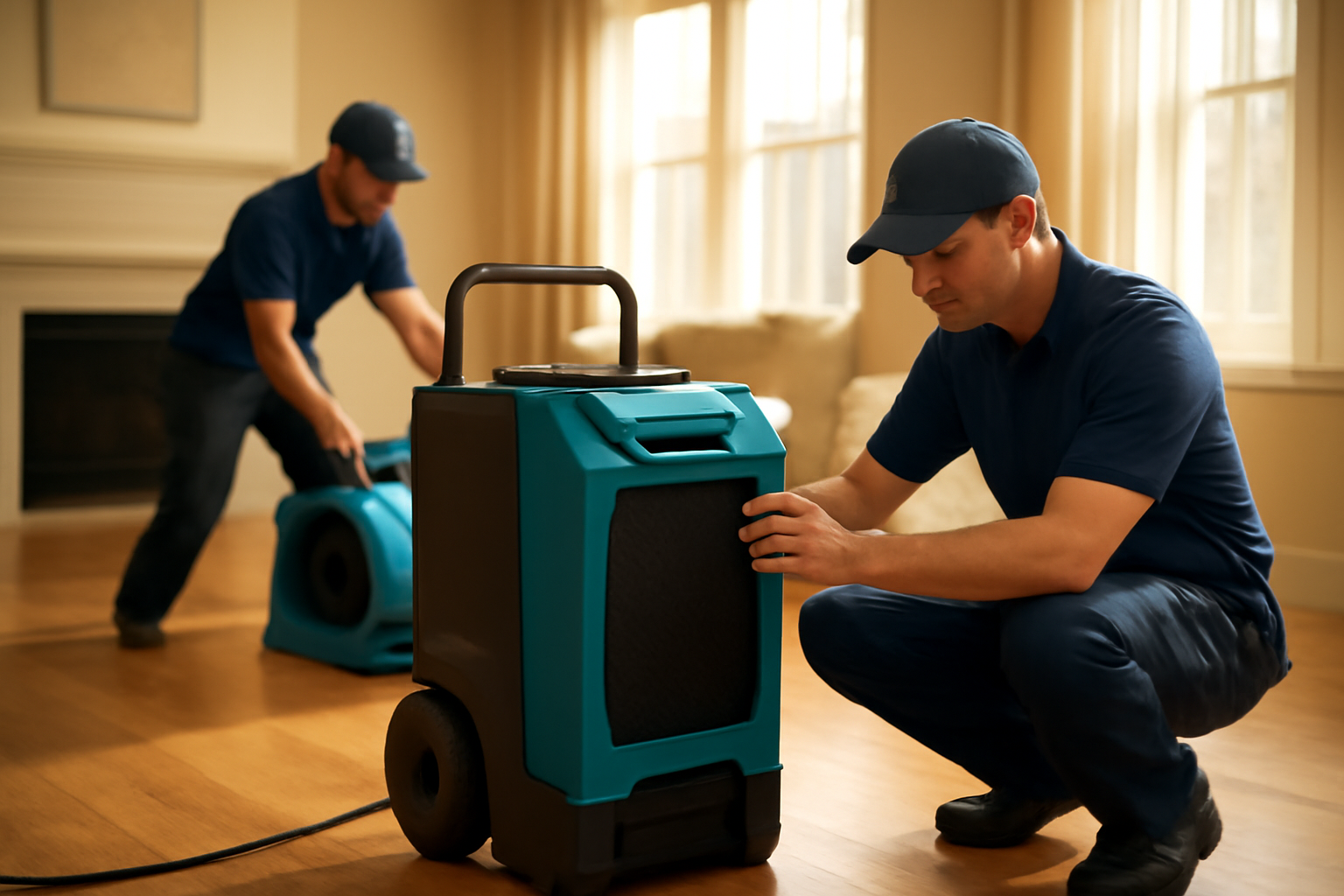
For significant damage, especially fire or water damage resulting from lightning, you’ll need professional help. Restoration companies have the expertise and equipment to handle complex repairs. They can help mitigate further damage and restore your home to its pre-loss condition. They work with your insurance company to ensure repairs are done correctly. For commercial properties, understanding does commercial property insurance cover flood damage is also important, as different rules may apply.
Lightning Damage Repair Checklist
Here’s a quick checklist to help you navigate the aftermath of lightning damage:
- Ensure your safety first. Stay away from downed power lines or unstable structures.
- Document all damage with photos and videos.
- Make necessary temporary repairs to prevent further damage, if safe to do so.
- Contact your insurance company immediately to file a claim.
- Consult with a reputable restoration company for professional assessment and repairs.
- Keep detailed records of all communications and expenses.
Why Professional Restoration Matters
Lightning damage can be deceptive. What looks like minor damage on the surface can hide deeper issues. Fires can smolder within walls for days. Water damage can lead to mold growth if not addressed properly. A professional restoration team can identify all affected areas. They use specialized techniques and equipment to dry, clean, and repair your home. This ensures a thorough and lasting repair. It also helps prevent future problems, like mold or structural weaknesses. For homeowners wondering does insurance cover basement flooding, professional advice can be crucial.
Conclusion
Lightning strikes can be frightening events, but understanding your homeowner’s insurance coverage can provide peace of mind. Most policies offer protection against the structural and personal property damage caused by lightning. Remember to review your policy, document any damage thoroughly, and contact your insurance company promptly. For expert assistance with assessing and restoring your property after lightning damage, Eden Prairie Restoration Pros is a trusted resource dedicated to helping you through the process. We’re here to help you get your home back to normal as quickly and efficiently as possible.
What if the lightning strike only caused a power surge that damaged my electronics?
Most homeowner’s insurance policies cover damage from power surges caused by lightning strikes. This includes damage to appliances and electronics. You will likely need to pay your policy’s deductible. It’s important to check your policy details for any specific limitations or exclusions related to electronics.
How soon should I report a lightning damage claim?
You should report a lightning damage claim as soon as possible after discovering the damage. Prompt reporting helps prevent further deterioration of the affected areas. It also allows your insurance company to begin the assessment process quickly. Delays can sometimes complicate the claims process.
Does my insurance cover damage from lightning hitting a tree in my yard?
If a lightning strike causes a tree in your yard to fall and damage your home or other structures, your homeowner’s insurance typically covers the repair costs. If the tree only falls within your yard and doesn’t damage any structures, coverage may be limited or excluded. Your policy documents will specify coverage for landscaping and trees.
What if my insurance claim for lightning damage is denied?
If your insurance claim for lightning damage is denied, review the denial letter carefully to understand the reason. You have the right to appeal the decision. You can provide additional documentation or evidence. Consulting with a public adjuster or an attorney specializing in insurance claims can also be beneficial.
Are there different types of lightning damage policies?
While standard homeowner’s insurance covers most lightning damage, specific endorsements or riders can offer enhanced coverage. For instance, some policies might offer broader coverage for detached structures or specific high-value items. It’s always a good idea to discuss your specific needs with your insurance agent to ensure you have adequate protection.