
Trusted by 155+ Homeowners
Can You Repair Hail Damage Yourself?
- Over 157 5-Star Reviews
- Free Estimates and Quotes
- 100% Satisfaction Guaranteed
- Child, Family & Pet Safe Steps
- 24-Hour Emergency Service
- Fully Licensed & Insured
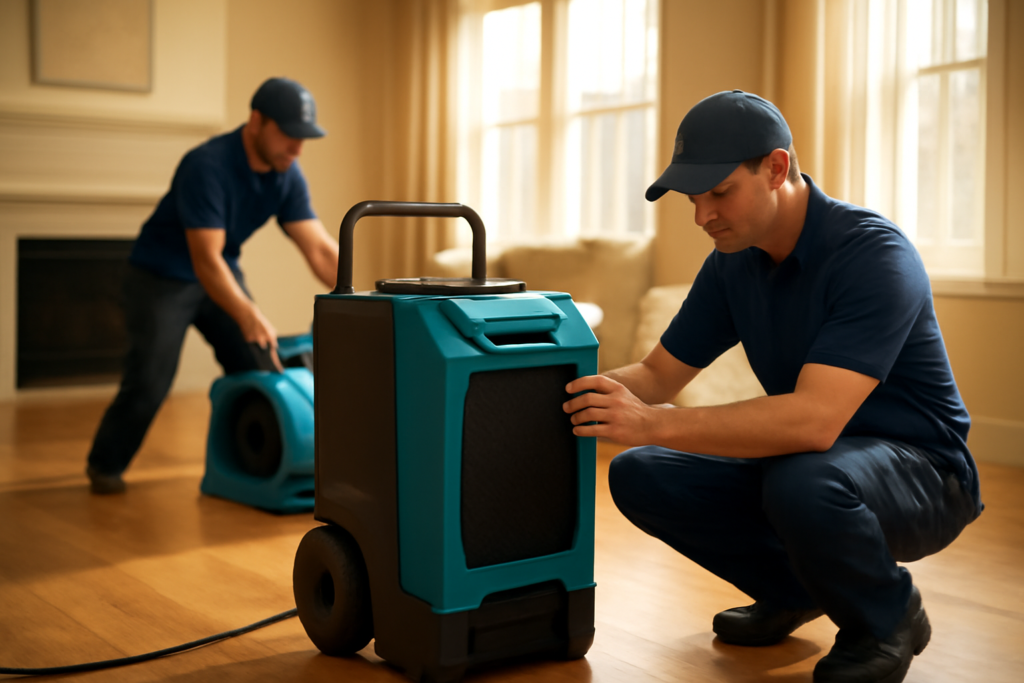
Hail damage to your home may seem straightforward, but DIY repairs often lead to bigger problems.
Most hail damage is best left to skilled professionals who have the right tools and experience.
TL;DR:
- Most hail damage is too complex for DIY repairs.
- Attempting repairs yourself can void warranties and worsen damage.
- Professional restoration services offer expertise and specialized equipment.
- Ignoring hail damage can lead to leaks, mold, and structural issues.
- Always consult with a professional restoration company for assessment and repair.
Can You Repair Hail Damage Yourself?
It’s a question many homeowners ask after a severe storm. You see dents on your roof, siding, or gutters, and you think, “How hard can it be?” While some very minor cosmetic issues might be tempting to fix yourself, the answer for most hail damage is a resounding no. Attempting DIY repairs can often lead to more extensive damage, void your warranties, and create bigger headaches down the line.
The reality is that hail damage can be deceptive. What looks like a simple dent on the surface can compromise the protective layers underneath. This can lead to hidden problems that require expert knowledge to identify and fix. It’s always best to get expert advice today from a qualified restoration professional.
Understanding the Nature of Hail Damage
Hailstones come in various sizes and shapes. They can range from pea-sized to grapefruit-sized. This means the impact force varies greatly. Even smaller hailstones can cause significant damage. They can chip paint, dent metal, and puncture roofing materials. Larger hailstones can shatter shingles or create deep cracks.
Research shows that hail damage is not always immediately obvious. Sometimes, the damage is microscopic. It can weaken materials over time. This makes them more susceptible to future weather events. It’s a silent threat that can worsen if left unaddressed.
Roofing: The Most Common Target
Your roof takes the brunt of any hailstorm. Shingles are particularly vulnerable. Hail can bruise the asphalt granules. It can also crack or tear the shingle itself. This exposes the underlayment to the elements. Even metal roofing can be dented and scratched.
A compromised roof can lead to leaks. Water can then seep into your attic and walls. This is where you might face serious issues like mold growth. Addressing these problems promptly is key to preventing further deterioration. Ignoring leaks can lead to extensive interior water damage.
Siding and Exterior Materials
Hail doesn’t just stop at the roof. Your siding, windows, and gutters are also at risk. Vinyl siding can crack or become brittle. Fiber cement siding can chip or break. Metal gutters can be severely dented, affecting drainage. Even windows can develop chips or cracks in the glass or frames.
These exterior components protect your home’s structure. If they are compromised, water intrusion risks increase significantly. This can lead to rot and structural damage within your walls. It’s important to have a complete assessment of all exterior surfaces.
Why DIY Hail Damage Repair Is Risky
So, can you repair hail damage yourself? For most homeowners, the answer is no. There are several reasons why DIY attempts often backfire. It’s easy to underestimate the complexity involved.
Voiding Warranties
Many roofing and siding products come with warranties. These warranties often have clauses against improper repairs. If you attempt to fix hail damage yourself, you might void these warranties. This means you could be on the hook for much larger repair costs later.
Manufacturers want their products installed and maintained correctly. DIY repairs, even with good intentions, might not meet their standards. Always check your warranty details. It’s wise to call a professional right away if you suspect warranty-affecting damage.
Inadequate Tools and Expertise
Professional restoration companies have specialized tools. They also have years of training and experience. They know how to identify all types of hail damage. They understand the best methods for repair. You likely don’t have these resources at home.
Trying to patch a dent or replace a shingle without the right knowledge can make things worse. You might create new weak spots. You could also damage adjacent materials. This is a situation where DIY limitations are very real.
Hidden Damage and Water Intrusion Risks
Hail damage is often more than skin deep. A dent might hide a crack in the underlying material. This allows water to get in. You might not see the leak immediately. It could be weeks or months before you notice water stains or mold.
This hidden damage is a major concern. It can lead to rot and mold growth inside your walls. This poses serious health risks. Professionals are trained to find this hidden damage. They know how to prevent future water intrusion risks.
The Danger of Making Things Worse
It’s a common story: a homeowner tries a small DIY fix, only to find the problem escalates. You might try to smooth out a dent, but end up cracking the material further. You might attempt to seal a small leak, but inadvertently create a larger opening for water.
These situations require a delicate touch and specific knowledge. Without it, you can turn a minor issue into a major repair job. It’s often better to do not wait to get help from those who know what they’re doing.
When to Call the Professionals
If you suspect hail damage, the best course of action is to contact a professional restoration company. They have the expertise to assess the damage accurately. They can recommend the most effective repair solutions. This ensures your home is properly protected.
Professional Damage Assessment
Restoration experts will conduct a thorough inspection. They check your roof, siding, gutters, and windows. They look for all types of damage, both visible and hidden. This detailed assessment is crucial for a complete repair plan.
They understand how hail impacts different materials. They can differentiate between hail damage and normal wear and tear. This helps ensure you get the repairs you actually need. It’s a step towards peace of mind.
Specialized Repair Techniques
Professionals use industry-standard techniques. They have access to high-quality materials. They ensure repairs are durable and blend seamlessly with existing structures. This is especially important for maintaining your home’s aesthetic appeal.
For instance, replacing a few shingles might seem simple. But matching the color and texture perfectly can be tricky. Professionals have the experience to achieve this. They also know how to properly seal and flash repaired areas to prevent leaks.
Insurance Claims Assistance
Dealing with insurance companies after storm damage can be overwhelming. Many restoration companies offer assistance with the claims process. They can help document the damage. They can work with your insurance adjuster to ensure you receive a fair settlement.
Having a professional on your side can make a huge difference. They understand insurance policies and repair costs. This can save you time and stress. It’s a good reason to schedule a free inspection and consultation.
Preventing Future Issues
Proper repairs by professionals not only fix current damage. They also help prevent future problems. A well-repaired roof is less likely to leak. Properly sealed siding prevents moisture from entering your home. This protects your home’s structural integrity.
Think of it as an investment in your home’s longevity. Addressing hail damage correctly now saves you money and trouble later. It’s about safeguarding your biggest asset.
The Importance of Timeliness
The longer you wait to address hail damage, the worse it can become. Small issues can escalate quickly. Water damage can spread. Mold can develop. Structural problems can arise. This is why it’s critical to act fast.
While you may not be able to dry out a flooded home yourself, dealing with hail damage is similar in its need for prompt attention. The longer you delay, the more complex and expensive the repairs become. It is vital to act before it gets worse.
| Type of Damage | DIY Feasibility | Professional Recommendation |
|---|---|---|
| Minor Dents (non-structural) | Potentially, with extreme caution | Recommended for warranty and aesthetic consistency |
| Cracked or Broken Shingles | No | Essential for preventing leaks |
| Punctured Siding | No | Essential for preventing water intrusion |
| Dented Gutters | Potentially, for minor dents | Recommended for proper drainage |
| Window Damage | No | Essential for security and weatherproofing |
What Happens During a Professional Restoration
When professionals handle hail damage, they follow a structured process. First, they conduct a detailed inspection. Then, they create a repair plan. They will communicate with you and your insurance company. The actual repairs are performed using the right techniques and materials.
For example, if your roof needs repair, they might replace damaged shingles. They will ensure the underlayment is intact. They check for any signs of water damage in the attic. This methodical approach ensures thoroughness. It’s similar to how pros handle water intrusion risks systematically.
Common Hail Damage Repair Checklist
Here’s a quick checklist of what professionals typically look for and address:
- Roofing shingles: Check for bruising, cracking, granule loss.
- Roofing underlayment: Inspect for punctures or tears.
- Flashing: Ensure it’s intact and properly sealed around vents and chimneys.
- Gutters and downspouts: Look for dents, sagging, and proper drainage.
- Siding: Inspect for cracks, dents, and punctures.
- Windows and doors: Check for chips, cracks, or seal failures.
- Exterior paint: Look for impact marks or chipped paint.
This detailed approach ensures no stone is left unturned. It’s about comprehensive protection. You want to ensure all potential interior water damage is prevented.
Conclusion
While the temptation to tackle hail damage yourself might be strong, it’s rarely the best approach. The risks of voiding warranties, causing further damage, and missing hidden problems are too great. Professional restoration services offer the expertise, tools, and experience needed to properly assess and repair hail damage. They ensure your home is protected from the elements and potential future issues. For reliable hail damage assessment and repair in Eden Prairie, Eden Prairie Restoration Pros is a trusted resource. They are dedicated to restoring your home safely and effectively.
What are the most common signs of hail damage on a roof?
Common signs include circular bruises on shingles, cracked or shattered shingles, and significant granule loss that can appear like bald spots or be found in your gutters. Dents on metal flashing or vents are also indicators.
Can hail damage cause leaks immediately?
Sometimes, yes. If hail directly punctures a shingle or compromises the underlayment, leaks can occur immediately. However, often the damage is subtle and weakens the material, leading to leaks later as the material degrades or during subsequent storms.
How does hail damage affect siding?
Hail can cause cracks, chips, or dents in siding materials like vinyl, aluminum, or fiber cement. This damage not only affects the appearance but can also compromise the siding’s ability to protect your home from moisture, leading to potential water intrusion risks.
Is it safe to walk on a roof after a hailstorm?
It’s generally not recommended for homeowners to walk on a roof after a hailstorm. Hail can make surfaces slippery, and you might not be able to see compromised areas that could collapse under your weight. Leave roof inspections to the professionals.
What is the first step after discovering hail damage?
The very first step should be to contact a qualified restoration professional for an inspection. They can accurately assess the extent of the damage, document it for insurance purposes, and advise you on the necessary repairs to prevent further issues like interior water damage.

Levi Lemieux is a licensed Damage Restoration Expert with more than 20 years of hands-on experience in disaster recovery and structural mitigation. As a seasoned industry authority, Levi has dedicated two decades to mastering the technical complexities of environmental safety, providing property owners with the reliable expertise and steady leadership required to navigate high-stress property losses with absolute confidence.
𝗖𝗲𝗿𝘁𝗶𝗳𝗶𝗰𝗮𝘁𝗶𝗼𝗻𝘀: Levi holds elite IICRC credentials, including Water Damage Restoration (WRT), Applied Structural Drying (ASD), Mold Remediation (AMRT), Fire and Smoke Restoration (FSRT), and Odor Control (OCT).
𝗙𝗮𝘃𝗼𝗿𝗶𝘁𝗲 𝗣𝗮𝘀𝘁𝗶𝗺𝗲: When off-site, Levi is a passionate mountain biker and an amateur astronomer, hobbies that reflect the endurance and precision he brings to every restoration project.
𝗕𝗲𝘀𝘁 𝗣𝗮𝗿𝘁 𝗼𝗳 𝘁𝗵𝗲 𝗷𝗼𝗯: He finds the most fulfillment in providing a clear path forward for families, turning a site of devastation back into a safe, comfortable home.