
Trusted by 155+ Homeowners
Who Is Most At Risk From Mold In The Home?
- Over 157 5-Star Reviews
- Free Estimates and Quotes
- 100% Satisfaction Guaranteed
- Child, Family & Pet Safe Steps
- 24-Hour Emergency Service
- Fully Licensed & Insured
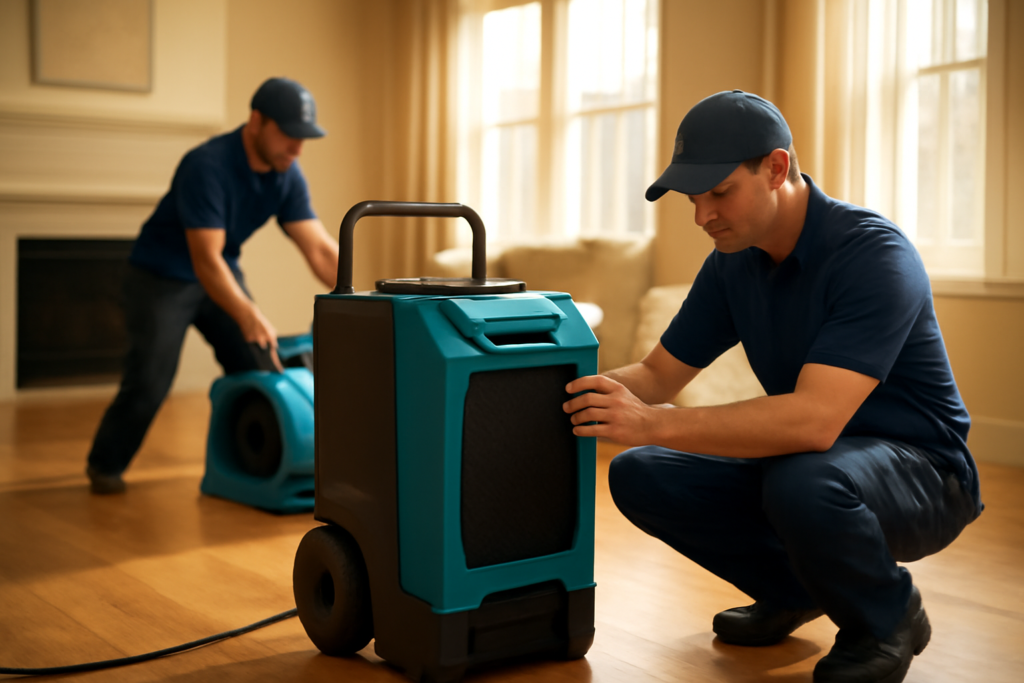
Certain individuals face higher risks from mold exposure in their homes.
Those with weakened immune systems, respiratory issues, or allergies are particularly vulnerable to mold’s health effects.
TL;DR:
- Mold thrives in damp environments, posing health risks to homeowners.
- Infants, the elderly, and those with existing health conditions are most at risk.
- Common mold sources include leaks, high humidity, and poor ventilation.
- Recognizing mold symptoms and addressing the source are key to prevention.
- Professional help is often necessary for effective mold removal and prevention.
Who Is Most at Risk from Mold in the Home?
You might be wondering who is most at risk from mold in the home. Mold can affect anyone, but some groups are definitely more susceptible to its negative effects. If you have concerns, it’s wise to understand these risks. We found that mold exposure can trigger a range of issues, from mild irritation to serious health problems.
Understanding Mold Vulnerability
Mold spores are everywhere, both indoors and outdoors. They become a problem when they land on a damp surface and start to grow. Growth often happens unseen, behind walls or under flooring. The real danger comes when these spores become airborne and you inhale them. This is when mold-related illness can become a concern.
Research shows that people with certain conditions are at a higher risk. This includes individuals with allergies, asthma, or other chronic lung diseases. Their respiratory systems are already sensitive. Mold spores can act as triggers, leading to asthma attacks or worsening breathing difficulties. It’s a serious health risk you don’t want to ignore.
Infants and Young Children
Little ones are also more vulnerable. Their immune systems are still developing. This makes them less equipped to fight off the effects of mold exposure. Studies suggest a link between early childhood mold exposure and the development of asthma. Protecting your children from mold is a top priority.
The Elderly Population
As we age, our immune systems can weaken. This makes older adults more susceptible to mold’s harmful effects. Respiratory issues can become more severe. It’s important for seniors to live in mold-free environments. This helps maintain their overall health and well-being.
Individuals with Compromised Immune Systems
People undergoing chemotherapy, those with HIV/AIDS, or individuals with autoimmune diseases often have weakened immune systems. For these individuals, mold exposure can lead to severe infections. These infections can spread throughout the body. It’s crucial for them to avoid mold exposure at all costs. This is why seeking professional remediation is so important for this group.
Underlying Health Conditions and Mold
Beyond immune status, pre-existing health conditions play a big role. People with asthma know how sensitive their airways can be. Mold is a common trigger for asthma symptoms. Even a small amount of mold can cause a significant reaction. This can lead to wheezing, coughing, and shortness of breath.
Other respiratory conditions like COPD (Chronic Obstructive Pulmonary Disease) also put individuals at higher risk. Mold can exacerbate symptoms and lead to flare-ups. If you have a respiratory condition, be extra vigilant about mold in your home. You might need to consider getting expert advice today.
Allergies and Mold
Mold allergies are very common. Symptoms can range from sneezing and runny nose to itchy eyes and skin rashes. For some, mold exposure can lead to more severe allergic reactions. If you’ve noticed increased allergy symptoms, especially when you’re home, mold could be the culprit. It’s a good idea to investigate potential moisture sources.
Common Sources of Mold Growth
Mold needs moisture to grow. Identifying and fixing sources of excess moisture is key to preventing mold. We found that many common household issues can lead to mold. Understanding these potential moisture sources can help you protect your home and family.
Water Leaks and Damage
Leaky pipes, roof leaks, or appliance malfunctions can create damp environments. Even small, persistent leaks can lead to significant mold growth. It’s important to address any water damage link promptly. Don’t wait to get help if you suspect a leak.
Think about that time a pipe burst under the sink. The water might have been cleaned up quickly. But if the area didn’t dry out completely, mold could start growing in the cabinets or subfloor. This is why a thorough drying process is vital after any water event. This is part of a proper remediation process.
High Humidity Levels
Areas with consistently high humidity are breeding grounds for mold. This is especially true during the summer months. High humidity can contribute to summer humidity and indoor water damage risks. Bathrooms, kitchens, and basements are often prone to higher humidity.
Using exhaust fans in bathrooms and kitchens helps. Ensuring proper ventilation in basements is also important. Dehumidifiers can be a lifesaver in damp climates or humid seasons. Keeping humidity levels below 60% is a good goal. This helps prevent mold from taking hold.
Poor Ventilation
Lack of airflow can trap moisture. This is common in areas like attics and crawl spaces. Without adequate ventilation, warm, moist air can condense. This condensation provides the perfect conditions for mold to grow. You might notice a musty smell in your home if ventilation is poor.
Inadequate ventilation can lead to problems like attic mold: causes, risks, and remediation guide. Ensuring your home has good air circulation is essential for preventing mold. This is true for all areas, from your living spaces to storage areas.
Recognizing Mold Symptoms
Are you experiencing unexplained health issues? Mold exposure symptoms can be diverse. They often mimic allergies or common colds. Watch out for:
- Sneezing, runny nose, or itchy eyes
- Coughing and wheezing
- Skin rashes or hives
- Headaches and fatigue
- Worsening asthma symptoms
If you notice these symptoms, especially if they improve when you leave your home, mold might be the cause. It’s a good idea to schedule a free inspection if you suspect mold. Early detection is key to minimizing health effects of mold.
What to Do If You Suspect Mold
Finding mold can be unsettling. The most important step is to identify and fix the moisture source. Mold can’t grow without water. After addressing the moisture, you’ll need to consider removal. For small areas, you might be able to handle it yourself. But for larger infestations, or if you are in a high-risk group, it’s best to call a professional.
Trying to clean up extensive mold without proper equipment can spread spores. This can make the problem worse. It can also expose you and your family to more mold. This is where professional remediation comes in. They have the tools and expertise to safely remove mold and prevent its return.
The Importance of Professional Assessment
A professional assessment can determine the extent of the mold problem. They can also identify the specific type of mold. Some molds are more dangerous than others. Understanding the mold-related illness risks associated with different types is important. Professionals can also advise on containment and removal strategies. They can even help with issues like lead paint, which also requires careful handling.
For example, if you’re dealing with mold in your attic, it might be connected to roof leaks or poor insulation. A professional can assess the whole situation. They can provide a plan to address the mold and the underlying cause. This ensures a long-term solution.
| Risk Factor | Why It Increases Mold Risk | Potential Issues |
|---|---|---|
| Weakened Immune System | Body struggles to fight off mold spores. | Serious infections, severe allergic reactions. |
| Respiratory Conditions | Airways are already sensitive to irritants. | Asthma attacks, breathing difficulties, COPD flare-ups. |
| Allergies | Mold acts as a common allergen trigger. | Sneezing, coughing, skin irritation, allergic asthma. |
| Infants & Elderly | Developing or declining immune systems. | Increased susceptibility to illness, chronic respiratory problems. |
| Water Damage | Provides essential moisture for mold growth. | Widespread mold infestation, structural damage. |
A Checklist for Mold Prevention
Want to keep your home mold-free? Here are some simple steps to take:
- Fix leaks immediately.
- Ensure good ventilation in bathrooms and kitchens.
- Use dehumidifiers in damp areas.
- Clean and dry any water-damaged areas within 24-48 hours.
- Monitor humidity levels.
- Inspect areas prone to moisture, like basements and attics.
Taking these steps can significantly reduce your risk. It’s about staying aware of potential problems and acting quickly.
Conclusion
Understanding who is most at risk from mold in the home is the first step toward protection. While anyone can be affected, infants, the elderly, and those with respiratory issues or weakened immune systems face greater dangers. By identifying and addressing moisture sources, ensuring proper ventilation, and acting swiftly on water damage, you can create a healthier living environment. If you suspect a mold problem, especially a significant one, it’s wise to call a professional right away. Eden Prairie Restoration Pros is a trusted resource for assessing and remediating mold issues, helping you protect your home and family from the serious health risks associated with mold growth.
What are the most common types of mold found in homes?
Common indoor molds include Cladosporium, Penicillium, and Aspergillus. These are often found on damp surfaces like drywall, insulation, and wallpaper. Their presence is usually a sign of an underlying moisture problem.
Can mold cause long-term health problems?
Yes, prolonged or severe exposure to mold can lead to long-term health issues. This is especially true for individuals with chronic respiratory conditions or compromised immune systems. It can worsen existing conditions or contribute to new ones.
How quickly can mold grow in a home?
Mold can begin to grow within 24 to 48 hours after a water event. Given the right conditions—moisture, food source (organic materials), and temperature—it can spread rapidly. This is why acting before it gets worse is so important.
Is it safe to clean mold myself?
For very small areas (less than 10 square feet) with no underlying moisture issues, you might be able to clean it yourself. However, for larger areas, or if you are sensitive to mold, it is safer to hire professionals. They have the proper equipment and training for safe removal.
How can I prevent mold in my bathroom?
Ensure good ventilation by using an exhaust fan during and after showers. Wipe down wet surfaces. Fix any leaks promptly. Consider using mold-resistant paint. Regularly cleaning your bathroom can also help prevent mold buildup.

Levi Lemieux is a licensed Damage Restoration Expert with more than 20 years of hands-on experience in disaster recovery and structural mitigation. As a seasoned industry authority, Levi has dedicated two decades to mastering the technical complexities of environmental safety, providing property owners with the reliable expertise and steady leadership required to navigate high-stress property losses with absolute confidence.
𝗖𝗲𝗿𝘁𝗶𝗳𝗶𝗰𝗮𝘁𝗶𝗼𝗻𝘀: Levi holds elite IICRC credentials, including Water Damage Restoration (WRT), Applied Structural Drying (ASD), Mold Remediation (AMRT), Fire and Smoke Restoration (FSRT), and Odor Control (OCT).
𝗙𝗮𝘃𝗼𝗿𝗶𝘁𝗲 𝗣𝗮𝘀𝘁𝗶𝗺𝗲: When off-site, Levi is a passionate mountain biker and an amateur astronomer, hobbies that reflect the endurance and precision he brings to every restoration project.
𝗕𝗲𝘀𝘁 𝗣𝗮𝗿𝘁 𝗼𝗳 𝘁𝗵𝗲 𝗷𝗼𝗯: He finds the most fulfillment in providing a clear path forward for families, turning a site of devastation back into a safe, comfortable home.