
What To Do In The First Hour After A Flood
Trusted by 155+ Homeowners
The first hour after a flood is critical for minimizing damage and ensuring safety. You need to act quickly to protect your property and your family from further harm.
Knowing what to do in the first hour after a flood can make a huge difference in the restoration process and the overall cost. Prioritize safety and swift action.
TL;DR:
- Assess safety and shut off utilities if necessary.
- Document the damage thoroughly with photos and videos.
- Remove standing water and salvageable items immediately.
- Begin the drying process and contact a restoration professional.
- Prevent further damage by addressing the source of the water.
What to Do in the First Hour After a Flood
Discovering your home has flooded can be overwhelming. The water might seem like it’s everywhere. But don’t panic; there are concrete steps you can take right away. Your immediate actions can significantly reduce the long-term impact of the flood.
Safety First: Assess the Situation
Before anything else, ensure everyone is safe. If the floodwater is rising rapidly, evacuate your home. If it’s safe to do so, locate your home’s main electrical panel and water shut-off valve. Turning off electricity is vital to prevent electrocution risks. If you smell gas, leave immediately and call the gas company from outside.
Document Everything
As soon as it’s safe, start documenting the damage. Use your smartphone to take pictures and videos. Capture the extent of the water damage, affected areas, and any damaged belongings. This documentation is essential for insurance claims. Don’t move items unnecessarily until you’ve photographed them in their current state.
Remove Standing Water
If the water is only a few inches deep and it’s safe, begin removing it. Use buckets, mops, or a wet/dry vacuum. If the water is deeper, this step might need to wait until professionals arrive. However, any amount of standing water left too long can lead to more problems. Removing excess water quickly is a key step in preventing mold growth.
Salvage What You Can
Carefully move any salvageable items out of the flooded areas. This includes furniture, important documents, and electronics. Place them in a dry, safe location, preferably on a higher floor. Be cautious when moving heavy items. Protecting your belongings is a priority.
Dealing with Water Intrusion Risks
Understanding the source of the water is important. Was it a burst pipe, a sewage backup, or external flooding? Knowing this helps in planning the next steps. Each type of water intrusion carries different risks. For instance, sewage backups pose serious health risks. Addressing the source of the water intrusion risks is paramount to stopping further damage.
Begin the Drying Process
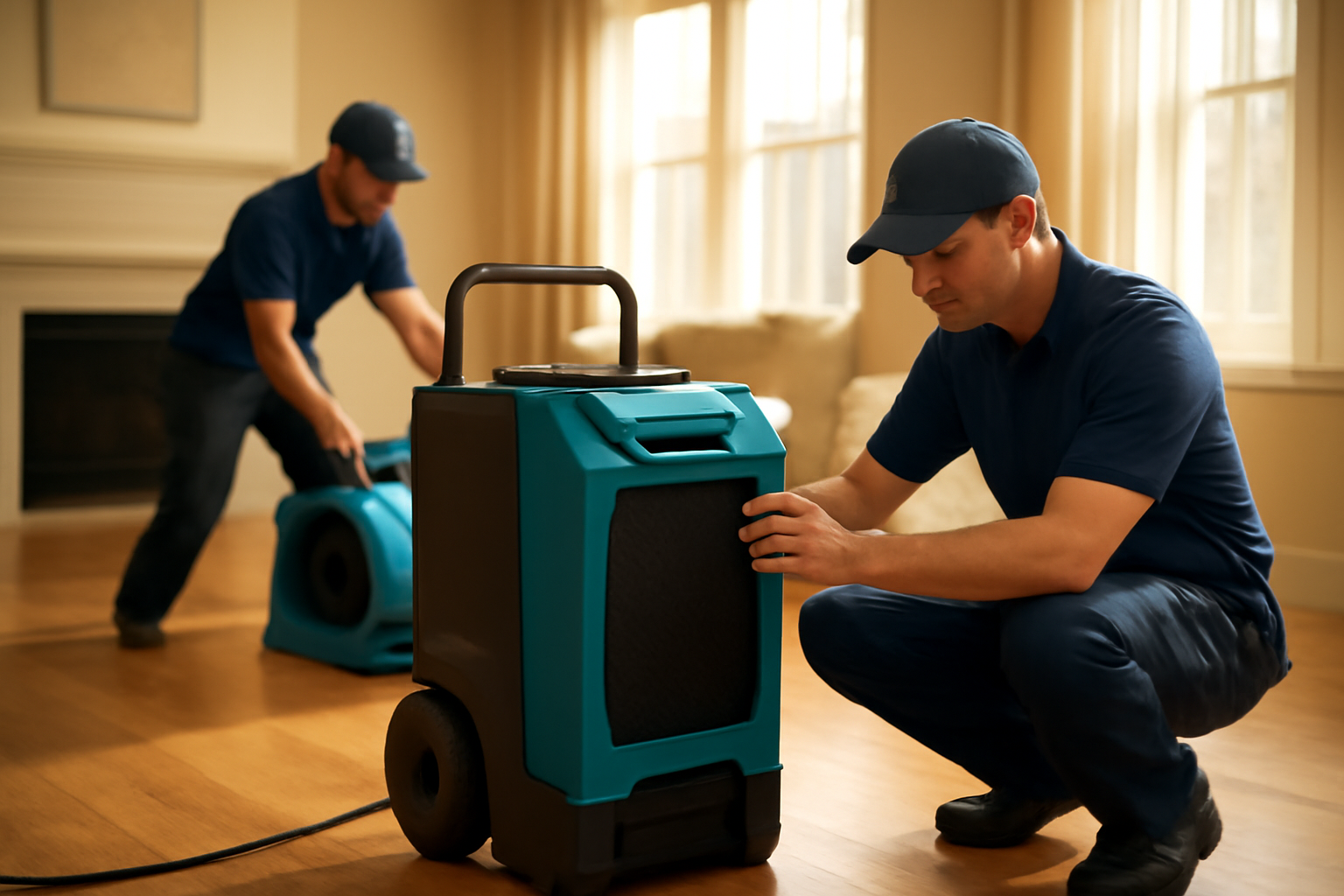
Once standing water is removed, start the drying process. Open windows and doors if the outside air is dry and warm. Use fans and dehumidifiers to circulate air and remove moisture. This helps speed up the drying of surfaces. Proper ventilation is key to preventing mold. You can learn more about how pros dry out a flooded home to understand the professional approach.
Protecting Valuables and Structures
Think about what needs immediate attention. Are there structural elements that appear compromised? Are there valuable items still at risk? Prioritize actions that prevent further deterioration. For example, if water is still entering, try to block it if possible. For those with garages, understanding garage water damage can help prevent future issues or mitigate current ones.
Contact Professionals
It’s highly recommended to contact a professional water damage restoration company as soon as possible. They have the equipment and expertise to handle the situation efficiently and safely. They can assess the full extent of the damage and create a restoration plan. Don’t wait to get help; the sooner they start, the better the outcome.
Understanding Drying Times
The time it takes to dry out a flooded room can vary greatly. Factors like the amount of water, materials affected, and humidity levels play a role. Knowing this helps set realistic expectations. Professionals can give you a better estimate. You can find more information on how long does it take to dry out a flooded room.
Preventing Future Flooding
While dealing with the current flood, it’s a good time to think about prevention. Simple measures can make a big difference. Ensure your gutters and downspouts are clear and functional. Consider extending downspouts away from your foundation. Researching downspout extensions: do they really prevent flooding can offer practical solutions.
Seasonal Water Damage Concerns
Depending on your location and the season, water damage can manifest differently. For instance, winter brings its own set of challenges. Freezing temperatures can cause pipes to burst, leading to significant damage. Understanding winter water damage: ice dams and pipe bursts can help you prepare and react appropriately during colder months.
| Action | Importance | Notes |
|---|---|---|
| Safety Check | Highest | Check for electrical hazards, gas leaks. Evacuate if unsafe. |
| Utility Shut-off | High | Turn off electricity and water if safe to do so. |
| Damage Documentation | High | Take photos/videos for insurance. |
| Water Removal | Medium | Remove standing water if depth allows and it’s safe. |
| Item Salvage | Medium | Move undamaged items to a dry, safe location. |
| Professional Contact | Highest | Call a restoration company immediately. |
Checklist for Immediate Flood Response
Here’s a quick checklist to guide you through the first crucial hour:
- Ensure all people and pets are in a safe location.
- Assess electrical and gas safety; shut off utilities if needed.
- Take clear photos and videos of all damaged areas.
- Remove standing water using appropriate tools if safe.
- Move salvageable items to higher ground or a dry area.
- Call a professional restoration service for expert assessment.
Remember, acting swiftly in the first hour after a flood is your best defense against more extensive damage. Each minute counts when water is involved. Ignoring initial steps can lead to prolonged drying times and the potential for serious health risks like mold growth.
Conclusion
Navigating the aftermath of a flood is challenging, but taking immediate, informed action can make a significant difference. Prioritizing safety, documenting thoroughly, and beginning the cleanup process promptly are essential steps. For experienced guidance and professional restoration services in the Eden Prairie area, Eden Prairie Restoration Pros is a trusted resource ready to help you recover.
What is the biggest immediate danger after a flood?
The biggest immediate danger is often electrical shock. Floodwaters can mix with damaged wiring, creating a serious electrocution risk. Always prioritize cutting off electricity if it’s safe to do so.
Should I try to dry my home myself?
For minor dampness, some DIY drying might be possible. However, for significant flooding, professional help is recommended. Professionals have specialized equipment to ensure complete drying and prevent hidden moisture, which can lead to mold. Get expert advice today to understand the best approach for your situation.
How do I protect my valuables during a flood?
If time and safety permit, move your most important and salvageable items to a higher floor or a location away from the water. Document everything before moving it. Act before it gets worse by securing what you can.
What if the floodwater looks dirty?
If the water is discolored or smells foul, assume it’s contaminated. This is often the case with sewer backups or external flooding. Avoid direct contact and wear protective gear if you must enter the area. Serious health risks are associated with contaminated water.
When should I call a restoration company?
You should call a restoration company as soon as you can safely assess the situation. The sooner they can begin their work, the more effectively they can mitigate damage and start the drying and restoration process. Do not wait to get help; early intervention is key.