How Fast Does Water Damage Spread In A Home?
Trusted by 155+ Homeowners
Water damage can spread incredibly fast, often within hours, causing significant structural issues and potential health hazards.
Understanding how quickly water damage progresses is key to minimizing its impact on your home and your family’s well-being.
TL;DR:
- Water damage spreads rapidly, often within 24-48 hours, becoming more severe over time.
- Different water types (clean, gray, black) have varying risks and spread rates.
- Materials like drywall, wood, and carpet absorb water quickly, accelerating damage.
- Prompt action is vital to prevent mold growth, structural compromise, and health issues.
- Professional restoration is essential for thorough drying and preventing long-term problems.
How Fast Does Water Damage Spread in a Home?
You might be surprised to learn just how quickly water damage can spread throughout your home. What starts as a small leak can become a widespread disaster in a remarkably short time. We found that significant damage can occur within 24 to 48 hours if left unchecked.
The Clock Starts Ticking Immediately
The moment water enters your home, the damage process begins. It doesn’t wait for you to notice or call for help. This rapid spread is why swift action is so important.
Research shows that porous materials like drywall and wood begin to absorb water almost instantly. This absorption leads to swelling, weakening, and eventual structural compromise. Think of it like a sponge; the more it soaks up, the heavier and more unstable it becomes.
Hour 0-24: The Initial Spread
In the first 24 hours, water will spread through capillary action. This means it travels through small spaces and materials. You might see discoloration on ceilings or walls. Drywall can start to sag. Wood can begin to warp.
The visible signs are often just the tip of the iceberg. Hidden moisture can be spreading behind walls and under floors. This initial phase is critical for containment.
24-48 Hours: Escalation of Damage
After 24 to 48 hours, the damage becomes much more pronounced. You might notice a musty odor developing. This is often an early sign of mold growth. The structural integrity of affected materials continues to degrade.
Mold growth risk increases dramatically during this period. Many experts agree that mold can begin to colonize within 24-48 hours in damp conditions. This poses serious health concerns.
48+ Hours: Severe and Widespread Issues
Beyond 48 hours, the water damage can become severe and widespread. Metal can begin to rust. Wood can start to rot. Electrical hazards can emerge as water interacts with wiring.
Don’t wait to get help if your home has experienced water intrusion. The longer water sits, the more extensive and costly the repairs will be.
Factors Influencing Spread Speed
Several factors determine just how fast water damage progresses. Understanding these can help you assess your situation better. We found that the type of water and the materials in your home play a big role.
Type of Water Matters
Not all water is created equal when it comes to damage. The category of water is a significant factor.
- Category 1 (Clean Water): This comes from sources like a broken pipe or a leaking sink. It’s generally not hazardous. However, it can still cause significant structural damage if not removed quickly.
- Category 2 (Gray Water): This water contains contaminants and comes from sources like dishwashers or washing machines. It poses a greater health risk and can spread damage faster due to potential contaminants.
- Category 3 (Black Water): This is highly contaminated water from sewage or floodwaters. It is extremely hazardous and spreads damage and contamination at an alarming rate.
Material Susceptibility
The materials in your home react differently to water exposure. Some are much more vulnerable than others.
Drywall is a prime example. It acts like a sponge, absorbing water and losing its structural integrity quickly. Wood, especially unfinished wood, can swell, warp, and even begin to rot. Carpets and padding can hold moisture for extended periods, creating a breeding ground for mold and mildew.
Even seemingly solid materials like concrete can be affected. They can absorb moisture, leading to efflorescence (white powdery deposits) and potential structural weakening over time. Understanding these related damage issues helps in assessing the scope.
Temperature and Humidity
Warmer temperatures and higher humidity levels accelerate the drying process, but they also accelerate the growth of mold and bacteria. In a warm, humid environment, mold can begin to grow in as little as 24 hours.
Conversely, very cold temperatures might slow the immediate spread of water, but frozen pipes can burst, leading to sudden and intense water release. We found that consistent, moderate temperatures coupled with moisture create the ideal conditions for rapid deterioration.
Common Sources of Water Damage
Knowing where water damage typically originates can help you identify potential problems before they escalate. Many homeowners are unaware of the common culprits. You might be surprised by some of the potential pipe leak causes.
Plumbing Failures
Leaky pipes, faulty appliances, and overflowing toilets are frequent sources. Even a small drip from a pipe under your sink can go unnoticed for days, slowly saturating subflooring and drywall. These hidden plumbing leaks can cause extensive damage inside your walls without any visible signs initially.
Roof and Exterior Issues
Your roof is your home’s first line of defense against the elements. A damaged roof, missing shingles, or clogged gutters can allow water to seep into your attic and down through your ceilings. The roof water damage connection is often overlooked until it becomes a major problem.
Appliance Malfunctions
Washing machines, dishwashers, refrigerators with ice makers, and water heaters can all fail. A burst hose or a seal failure can release a significant amount of water very quickly.
Foundation and Drainage Problems
Poor grading around your home, clogged drainage systems, or cracks in the foundation can allow groundwater to enter your basement or crawl space. This is particularly common during heavy rain or snowmelt.
The Dangers of Delayed Restoration
Ignoring water damage or delaying professional help can lead to a cascade of serious problems. The initial leak might seem manageable, but the consequences of inaction are severe.
Mold and Mildew Growth
As mentioned, mold thrives in damp environments. Once mold spores land on a wet surface, they can begin to grow and spread rapidly. This not only damages your home’s structure and finishes but also impacts indoor air quality.
The musty smell in your home? It could be mold after moisture has been present for a while. This growth can infest insulation, carpets, and even the materials behind your walls. Addressing mold growth risk promptly is vital for your health and home.
Structural Damage
Water weakens building materials. Drywall loses its integrity, wood can rot and become structurally unsound, and even concrete can be compromised over time. This can lead to sagging ceilings, warped floors, and in extreme cases, require major structural repairs.
Electrical Hazards
Water and electricity are a dangerous combination. Water can seep into electrical outlets, wiring, and appliances, creating a significant risk of electric shock or fire. Never touch electrical devices in an area with water damage.
Health Risks Involved
Beyond mold, standing water can become a breeding ground for bacteria and other pathogens. Exposure to contaminated water or mold spores can lead to a range of health problems, including respiratory issues, allergies, and skin irritation. The health dangers involved with prolonged exposure are substantial.
Checklist: Immediate Steps After Water Damage
When you discover water damage, acting quickly is your best defense. Here’s a quick checklist to guide you:
- Safety First: Shut off the water source if possible. If electrical outlets are wet, shut off power to the affected area at the breaker box.
- Document Everything: Take photos and videos of the damage for insurance purposes.
- Remove Standing Water: Use buckets, mops, or a wet/dry vacuum to remove as much standing water as possible.
- Ventilate: Open windows and use fans to start the drying process.
- Call a Professional: Contact a reputable water damage restoration company immediately.
Act before it gets worse by taking these initial steps and securing professional help.
When to Call Professionals
While some minor water spills can be handled with DIY cleanup, most situations warrant professional attention. We found that professional restoration services are essential for thorough drying and preventing long-term issues.
If the water damage is extensive, if you suspect mold growth, or if the water is from a Category 2 or 3 source, call a professional right away. Restoration experts have the specialized equipment and knowledge to properly dry your home, mitigate mold, and restore your property safely.
| Water Damage Progression Timeline | Key Indicators | Potential Issues |
|---|---|---|
| 0-24 Hours | Discoloration, slight sagging of drywall, absorption | Initial structural weakening, early mold potential |
| 24-48 Hours | Musty odors, noticeable warping, increased sagging | Significant mold growth risk, material degradation |
| 48+ Hours | Rotting wood, rust, widespread dampness, potential electrical issues | Severe structural damage, health hazards, costly repairs |
Conclusion
Water damage is a serious issue that can escalate rapidly, impacting your home’s structure, safety, and your family’s health. Understanding how fast water damage spreads is the first step in protecting your property. From the initial absorption within minutes to the significant structural compromise and mold growth within days, the clock is always ticking. Prompt action is essential. For comprehensive and expert water damage restoration services in the Eden Prairie area, remember Eden Prairie Restoration Pros are a trusted resource dedicated to helping you recover quickly and effectively from water damage emergencies.
How long does it take for water damage to become permanent?
Water damage can become permanent relatively quickly, often within days or weeks, depending on the materials affected and the presence of moisture. Materials like drywall and untreated wood can be permanently warped or rotted. Mold growth can also cause permanent staining and structural damage if not addressed promptly.
What is the most important thing to do after water damage?
The most important thing to do after water damage is to act fast. This means addressing the source of the water, removing standing water, and beginning the drying process immediately. Contacting a professional restoration service as soon as possible is critical for preventing further damage and ensuring a thorough cleanup.
Can I dry my home myself after water damage?
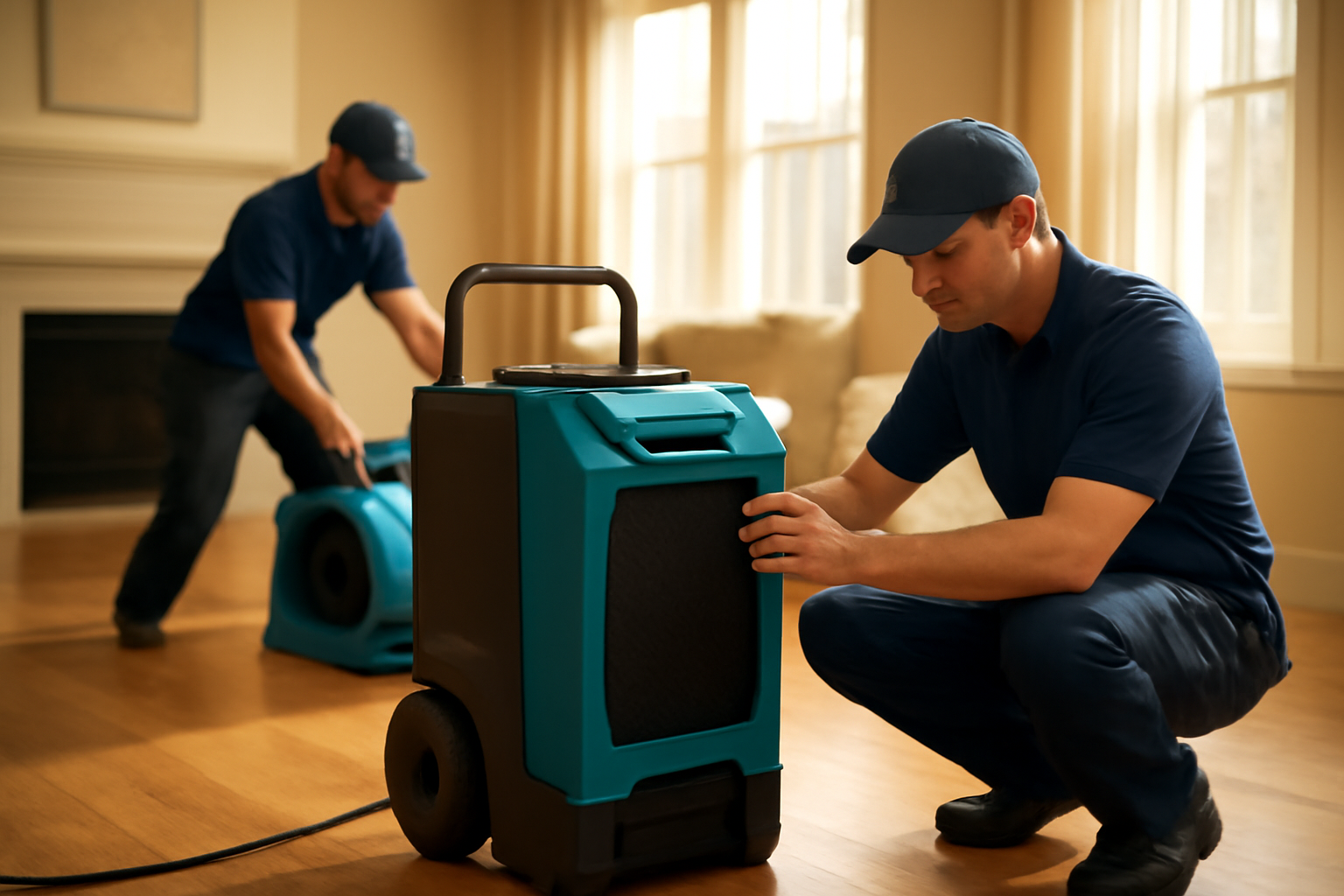
For minor water spills, you might be able to dry your home yourself using fans and dehumidifiers. However, for anything more than a small area, or if water has seeped into walls or subflooring, professional help is strongly recommended. Professionals have specialized equipment like industrial-grade air movers and dehumidifiers to ensure complete drying and prevent hidden moisture issues.
What are the long-term effects of water damage?
The long-term effects of water damage can include persistent mold growth, compromised structural integrity, electrical hazards, and potential damage to your home’s foundation. It can also lead to chronic health issues for occupants due to mold exposure and poor air quality. These health risks present a serious concern.
How does water damage affect home value?
Water damage, especially if not properly remediated, can significantly lower a home’s value. Buyers are wary of potential mold issues, structural problems, and recurring leaks. Evidence of past water damage, even if repaired, can make a home harder to sell and may require disclosure, impacting its marketability.