
Trusted by 155+ Homeowners
When Should You Leave A Water Or Fire-damaged Home?
- Over 157 5-Star Reviews
- Free Estimates and Quotes
- 100% Satisfaction Guaranteed
- Child, Family & Pet Safe Steps
- 24-Hour Emergency Service
- Fully Licensed & Insured
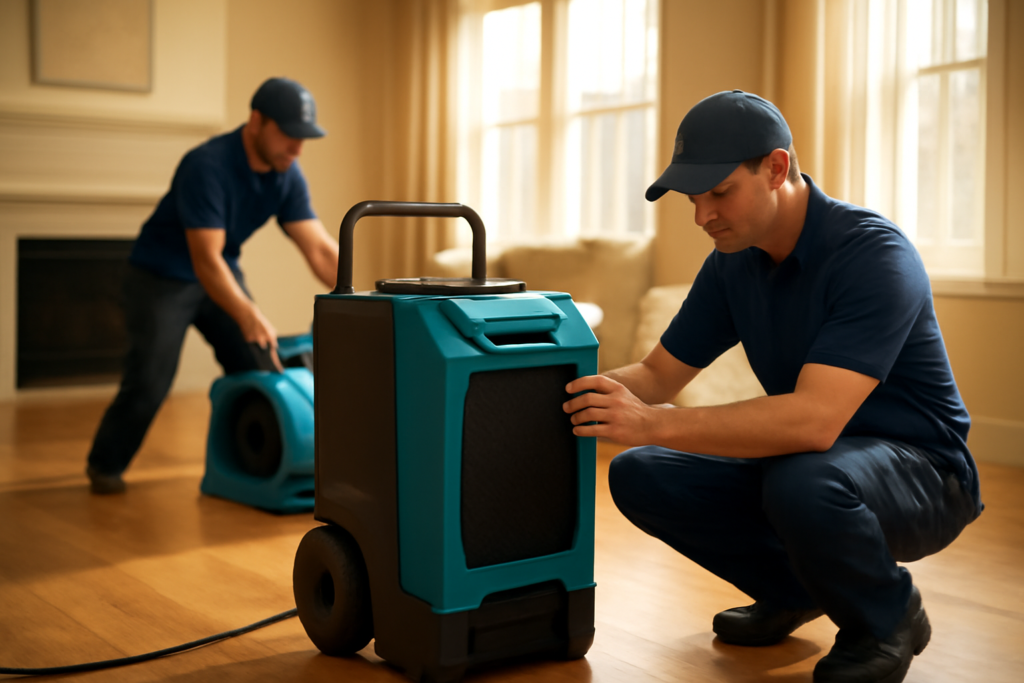
You should leave a water or fire-damaged home immediately if there’s a risk to your safety. This includes structural instability, severe smoke or water contamination, or toxic fumes.
Prioritizing your well-being is always the first step when dealing with property damage. Don’t wait to get help if you suspect danger.
TL;DR:
- Evacuate immediately if you notice structural damage, strong odors, or health symptoms.
- Safety is the top priority; never re-enter a damaged building without professional clearance.
- Water damage can lead to mold and structural issues, requiring professional assessment.
- Fire damage brings smoke residue, toxic air, and potential structural compromise.
- Contacting restoration professionals quickly is key to mitigating further damage and ensuring safety.
When Should You Leave a Water or Fire-Damaged Home?
Deciding whether to stay or go after a disaster like a flood or fire is tough. Your home is your sanctuary. But sometimes, it’s no longer safe. We found that immediate evacuation is necessary when safety is compromised. This isn’t about inconvenience; it’s about your health and life.
Immediate Dangers to Watch For
When a fire rages, the flames are the obvious danger. But smoke and soot are insidious. They can settle deep into your home. They also contain toxic chemicals. Water damage can be just as sneaky. It can weaken your home’s structure. It also creates a breeding ground for mold. Both situations demand a swift decision about leaving.
Structural Integrity Concerns
After a fire, charred beams and weakened walls are serious. Water, especially from floods, can saturate drywall and wood. This saturation can cause materials to sag or collapse. If you see visible cracks, warped floors, or sagging ceilings, it’s time to go. These are clear signs your home’s structure is compromised. You need to call a professional right away.
Air Quality and Odors
A strong, persistent odor of smoke is a warning sign. It indicates soot particles are still airborne. Water damage can lead to musty smells, a sign of mold growth. Breathing in smoke or mold spores can cause health problems. These range from headaches to respiratory issues. If the air quality feels bad, leave the premises. Consider the serious health risks involved.
Electrical Hazards
Water and electricity are a dangerous mix. If water has seeped into electrical outlets or appliances, there’s a risk of electrocution. Even if the power is off, residual moisture can pose a threat. If you suspect any electrical system damage, do not touch anything. Your safety is paramount. You must leave the area immediately.
Water Damage: More Than Just Wetness
Water damage might seem less dramatic than fire. But it can cause hidden problems. We found that even a small leak can escalate quickly. It can lead to extensive mold growth within 24-48 hours. This is especially true with slow leaks or hidden moisture. These issues can create long-term health problems.
The Insidious Threat of Mold
Mold thrives in damp environments. It can start growing in walls, under carpets, or in HVAC systems. Mold spores can travel through the air. Inhaling them can trigger allergies, asthma, and other respiratory conditions. If you notice a musty smell or see visible mold, it’s a sign you need to evacuate. You should not wait to get help.
Hidden Structural Weakening
Water saturates building materials. Wood can rot, metal can corrode, and foundations can weaken. This damage isn’t always visible at first. It can lead to serious structural failures later. If your home has experienced significant water intrusion, like from related damage issues, it’s wise to have it inspected by experts before re-entering.
Fire Damage: Beyond the Flames
Fire damage is complex. The immediate blaze is terrifying. But the aftermath brings its own set of dangers. Soot coats everything. Smoke permeates every nook and cranny. The structural integrity can be severely compromised. Many experts say that cleaning fire damage yourself is often not advisable. Similar concerns apply to water damage cleanup; why DIY water damage cleanup often backfires.
Soot and Smoke Residue Dangers
Soot is not just messy; it’s acidic. It can corrode surfaces and damage belongings. Smoke contains harmful chemicals. These can linger in the air and on surfaces long after the fire is out. Inhaling these can lead to respiratory problems and other health issues. You should consider the toxic exposure risks from smoke residue.
Compromised Building Materials
High heat can warp metal, melt plastics, and compromise drywall. Even if the fire didn’t directly burn an area, the heat damage can be significant. This can weaken the overall structure of your home. It’s crucial to have a professional assess the damage. They can determine if the building is safe to inhabit. You can learn more about the process of fire restoration steps.
When Professionals Are Essential
Sometimes, the decision to leave is clear. Other times, it’s less obvious. If you have any doubts about your home’s safety, err on the side of caution. Restoration professionals have the tools and expertise. They can assess the full extent of the damage. They can also identify potential hazards you might miss. Their assessment is key to understanding the situation. It helps you make an informed decision about your safety. For instance, if you experienced a lightning strike, there could be specific fire risks after a lightning strike to your home.
Professional Assessment is Key
A restoration company can inspect for structural damage. They can test air quality. They can also identify hidden mold growth. This expert evaluation is vital. It ensures that you don’t return to an unsafe environment. They can also explain the necessary fire restoration steps for a safe and complete recovery.
Protecting Your Health and Belongings
Leaving your home might seem like a loss. But it’s an investment in your health. It also allows professionals to work effectively. They can mitigate further damage without you being exposed to hazards. This protects your remaining belongings. It also prevents minor issues from becoming major ones. It’s about taking the right steps to move forward.
Making the Decision: A Checklist
Here’s a quick checklist to help you decide if you should leave your home:
- Is there visible structural damage (cracks, sagging, collapsing)?
- Is there a strong, persistent smoke or musty odor?
- Are you experiencing any health symptoms like coughing, headaches, or difficulty breathing?
- Do you suspect electrical hazards due to water?
- Has there been significant water intrusion or fire damage?
- Are you unsure about the safety of your home?
If you answered yes to any of these, it’s best to leave. You should act before it gets worse.
The Importance of Acting Quickly
The longer you wait, the more damage can occur. Water can spread, mold can grow, and structures can weaken further. Fire residue can become more ingrained. Acting quickly means contacting professionals sooner rather than later. This can save your home and protect your family. It’s always better to get expert advice today.
| Type of Damage | Immediate Concerns | Long-Term Risks | When to Evacuate |
|---|---|---|---|
| Water Damage | Flooding, electrical hazards, immediate mold growth | Structural weakening, widespread mold, indoor air quality issues | Visible structural damage, strong musty odors, health symptoms |
| Fire Damage | Flames, smoke inhalation, structural collapse risk, toxic fumes | Lingering soot and smoke residue, compromised materials, persistent odors | Visible structural damage, heavy smoke or soot, difficulty breathing |
Conclusion
Ultimately, your safety and health are the most important factors. When faced with water or fire damage, trust your instincts. If your home feels unsafe, it probably is. Evacuating allows professionals to do their job effectively. It ensures that your home can be restored safely. For reliable and expert damage restoration services, Eden Prairie Restoration Pros is a trusted resource. We understand the urgency and care required in these difficult times.
What are the immediate signs of a dangerous home after water damage?
Look for visible signs of structural compromise like sagging ceilings or walls. Also, be aware of strong musty odors indicating mold, and any electrical hazards like sparking outlets. If you notice any of these, leave immediately and call a professional right away.
How quickly does mold grow after water damage?
Mold can begin to grow in as little as 24 to 48 hours after water damage occurs. It thrives in damp, dark environments. This rapid growth highlights why prompt cleanup and professional assessment are crucial.
What are the biggest health risks from fire damage?
The primary health risks come from inhaling smoke and soot particles. These contain toxic chemicals that can cause respiratory problems, headaches, and long-term health issues. Exposure to these can lead to serious health effects.
Can I stay in my home if there’s minor water damage?
If the water damage is very minor, contained, and you can dry it out completely within 24 hours without any signs of mold, you might be able to stay. However, if there’s any doubt, or if the damage is more extensive, it’s safer to leave. Always get expert advice today.
Who should I call if I suspect my home is unsafe after a disaster?
You should contact a reputable disaster restoration company immediately. They have the expertise and equipment to assess the damage safely. They can also begin the necessary restoration process to make your home habitable again. Don’t wait to get help.

Levi Lemieux is a licensed Damage Restoration Expert with more than 20 years of hands-on experience in disaster recovery and structural mitigation. As a seasoned industry authority, Levi has dedicated two decades to mastering the technical complexities of environmental safety, providing property owners with the reliable expertise and steady leadership required to navigate high-stress property losses with absolute confidence.
𝗖𝗲𝗿𝘁𝗶𝗳𝗶𝗰𝗮𝘁𝗶𝗼𝗻𝘀: Levi holds elite IICRC credentials, including Water Damage Restoration (WRT), Applied Structural Drying (ASD), Mold Remediation (AMRT), Fire and Smoke Restoration (FSRT), and Odor Control (OCT).
𝗙𝗮𝘃𝗼𝗿𝗶𝘁𝗲 𝗣𝗮𝘀𝘁𝗶𝗺𝗲: When off-site, Levi is a passionate mountain biker and an amateur astronomer, hobbies that reflect the endurance and precision he brings to every restoration project.
𝗕𝗲𝘀𝘁 𝗣𝗮𝗿𝘁 𝗼𝗳 𝘁𝗵𝗲 𝗷𝗼𝗯: He finds the most fulfillment in providing a clear path forward for families, turning a site of devastation back into a safe, comfortable home.