ZIP 55116 · Saint Paul, MN · Ramsey County
Water Removal Service in 55116Flooded Basement Cleanup & Sewage Backup Cleanup
Water Removal Service in Saint Paul covers water damaged drywall removal, ceiling water damage repair and sewage backup cleanup.
Answered 24/7
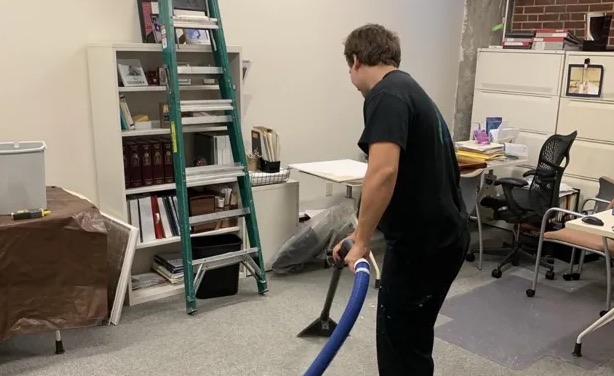
Local Water Removal Service for 55116 Residents
Ceiling collapses and sagging drywall are common signs of water damage in Saint Paul. These issues require specialized water damaged drywall removal and repair to maintain the safety and aesthetics of your interior spaces.
In the Saint Paul area, water damage spreads fast into drywall, flooring and belongings. Local water damage pros extract the water and dry wet carpet, here and in communities such as Mendota Heights, Falcon Heights and Richfield.
Water Removal Services in 55116
Flooded Basement Cleanup
The pros in Saint Paul remove water and document entry points for repair considerations when basement flooding involves seepage through foundation walls.
Sewage Backup Cleanup
The pros address sewage backups by ensuring the main line is clear. They perform aggressive extraction and use antimicrobial treatments.
Emergency Water Extraction
The emergency water extraction process begins once the pros are on site.
Ceiling Water Damage Repair
For a leaking ceiling, the pros stop the source, extract the water, set up containment and remove sections that are sagging.
Wet Carpet Water Removal
Carpets hold moisture that leads to odor and mold. The pros in Saint Paul may use thermal imaging to detect hidden dampness for complete removal.
Signs of Water Damage Needing Water Removal Service
Damp or Wet Insulation
Wet attic or wall insulation stops insulating and keeps the framing around it damp.
Active Dripping Sounds
Hearing water drip inside a wall or ceiling means an active leak behind the surface.
Reduced Water Pressure
A drop in faucet or shower pressure can be a symptom of a pipe leak inside your walls.
Sudden High Water Bill
A sudden jump in water use with no change in habits often means a hidden leak.
How Water Removal Service Works in 55116
Step 1: Emergency Assessment and Extraction
The pros first locate all moisture using sensors. They then begin emergency water extraction with truck-mounted or portable pumps to remove the bulk of the water.
Step 2: Targeted Water Mitigation
Specialized equipment like weighted carpet extractors and injectidry systems pull water from padding and subfloors.
Step 3: Structural Drying and Dehumidification
High-velocity air movers and industrial dehumidifiers create a drying environment. This process removes residual moisture from wall cavities and under flooring to complete the water damage cleanup.
Step 4: Final Verification and Documentation
Pros verify dryness with moisture meters and thermal imaging. They document the process and final conditions with photos and readings for your insurance claim file.
What Causes Water Damage Needing Water Removal Service
Severe Weather Events
Heavy rain or flooding can overwhelm drainage and push water into basements and crawlspaces.
Roof Leaks and Damage
Damaged shingles, flashing or gutters let water in, often showing up as ceiling stains.
Natural Drainage Issues
Poor yard grading or saturated soil can send water toward the foundation and into the home.
HVAC System Condensation
Clogged drain pans or broken condensate lines from air conditioners keep nearby areas wet.
Water Removal Service for Every Property Type in 55116
Residential Water Removal Service
For condos and apartments, water damage repair often involves containing leaks to one unit and drying shared walls and floors.
Commercial Water Removal Service
Restaurants with sewage backups need the water removed and the area disinfected before reopening. The experts follow health rules for dirty water.
Water Removal Service vs. DIY: When to Call Water Damage Pros
For minor spills or condensation, use a wet-dry vacuum on hard surfaces to remove standing water. Increase airflow by opening windows and using fans, and place dehumidifiers in the affected room. If water has soaked into carpets, padding, drywall, or subflooring, contact the experts to prevent hidden moisture and mold growth.
Estimating Your Water Removal Service Investment in 55116
In Saint Paul, costs depend on whether the water is clean, grey, or contaminated, as hazardous sewage backup cleanup requires stricter safety and disposal protocols.
Water Category and Contamination
Clean water from a supply line is simpler than grey water from an appliance or hazardous black water from a sewer backup.
Emergency Service Timing
A 24/7 emergency water removal response initiated outside standard hours may involve different operational scheduling considerations.
Location and Accessibility
A flooded basement or a ceiling repair can be harder to reach and work in than a main-floor leak.
Does Insurance Cover Water Removal Service?
Whether insurance pays for water removal service depends on the specifics of your homeowner's policy. The pros provide critical documentation, like moisture level logs, that you can include with your claim. Your insurance company evaluates this to decide on coverage.
Reasons to Trust Local Pros with Water Removal Service in 55116
IICRC-Standard Drying Methods
Pros follow proven drying protocols to remove moisture from materials and help prevent mold after a leak.
24/7 Emergency Response
Help is available around the clock, so extraction can start before the damage spreads.
Structural Drying Expertise
Industrial air movers and dehumidifiers are placed to dry hardwood floors, drywall and framing as fast as the materials allow.
24/7 Emergency Water Removal Service in 55116
Standing water in your home requires urgent action. Contact the experts for 24/7 emergency service in Saint Paul by calling (952) 392-4418 to start the mitigation process.
Call Now (952) 392-4418Water Removal Service for 55116 and Nearby Communities
The experts provide water damage cleanup for residents of Saint Paul and nearby neighborhoods including Mendota Heights, Falcon Heights and Richfield.
Frequently Asked Water Removal Service Questions
How long does the water damage drying process usually take?
Drying times vary based on materials, humidity, and water volume. Most residential spaces require 3-5 days of active drying with industrial dehumidifiers and air movers.
What equipment is used for flood water extraction?
Truck-mounted or portable submersible pumps, industrial wet/dry vacuums and extractors remove large volumes of water.
What's the difference between water removal and water damage restoration?
Water removal describes the first steps: extracting standing water and drying wet materials. Water damage restoration covers the repairs needed after drying, such as replacing damaged drywall or flooring.
What is the goal of water leak cleanup?
The aim is to dry all affected materials completely so mold and structural decay cannot start.
Is water damaged drywall always removed?
Drywall that is sagging, soft, or wet for over 48 hours typically requires removal to prevent mold.