ZIP 55561
Water Leak Detection in 55561Hidden Water Leak Detection & Slab Leak Detection
Water Leak Detection in ZIP code 55561 covers hidden water leak detection, slab leak detection and thermal imaging leak detection.
Answered 24/7
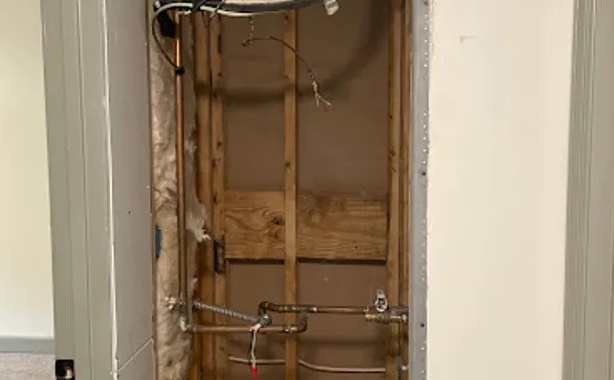
Local Water Leak Detection Services in 55561, Minnesota
In ZIP code 55561, leak detection handles both sudden emergencies like burst pipes and slow, hidden leaks, with whole house checks available to catch problems early.
In the 55561 ZIP code area, regular leak checks catch problems before they cause water damage. Local restoration pros find slab and pipe leaks with non-destructive methods, around the clock.
Available Water Leak Detection Services in 55561, MN
Hidden Water Leak Detection
Slow, hidden leaks damage the structure over time. In ZIP code 55561, pros use listening tools that pick up the sound of water escaping from pipes to find them.
Slab Leak Detection
Pros use electronic listening gear and pipe locators to find leaks under the slab.
Pipe Leak Detection
The experts test the plumbing one section at a time to isolate the pipe that is losing water.
Whole House Leak Detection
The pros check visible pipes and fixtures and use detection tools to survey the plumbing you cannot see.
Thermal Imaging Leak Detection
Thermal imaging for leak detection allows pros to see moisture patterns that are invisible to the naked eye.
Signs That Point to Hidden Leaks Needing Water Leak Detection
Water Pooling in the Yard
Unexplained soggy patches, lush grass spots, or standing water in your landscaping suggest an outdoor line leak.
Musty Odors and Mold Growth
A persistent earthy smell or visible mold spots can signal hidden moisture from an undetected leak.
Warm Spots on the Floor
Certain areas of tile or flooring feel unusually warm, which may indicate a hot water line leak.
Unexplained Water Meter Spikes
Your water bill shows a sudden, consistent increase that you cannot account for with normal household water use.
How Water Leak Detection Works in 55561
Step 1: Suspected Leak Analysis
The pros analyze descriptions of damp spots or mold growth. This initial assessment helps determine the likely leak type and an appropriate detection approach.
Step 2: Targeted Leak Detection Investigation
The pros focus on the suspected area with the right tools, which speeds up the search.
Step 3: Corroboration with Thermal Imaging
Thermal imaging leak detection visually corroborates findings from other methods. The infrared images provide clear evidence of moisture presence and migration paths.
Step 4: Insurance-Ready Damage Documentation
Every step is documented with photos, videos, and moisture level data. This creates an insurance-ready file, though coverage decisions remain with your insurer.
Water Damage Causes Found During Water Leak Detection
Ground Settlement
Settling soil can shift a home's foundation and put stress on the water pipes running through it, until a joint cracks.
Root Intrusion Into Lines
Tree roots seek moisture and can infiltrate underground sewer or water lines, cracking pipes and causing major blockages and leaks.
Chemical Drain Cleaner Damage
Harsh chemical cleaners can corrode pipe interiors, especially in older metal pipes, thinning walls and creating leak points.
Poor Plumbing Installation
Improperly soldered joints, loose fittings, or incorrect pipe slopes from the initial install create weak points prone to leaking.
55561 Water Leak Detection for Residential and Commercial
Residential Water Leak Detection
Emergency leak detection addresses sudden failures like burst pipes or major appliance leaks that threaten a home. Pros come with the tools to isolate and locate the leak, preventing widespread water damage.
Commercial Water Leak Detection
In restaurants, medical offices and data centers, a plumbing leak needs to be found fast. Specialists locate and document it to support repairs and insurance claims.
Water Leak Detection vs. DIY Leak Finding
If you suspect a slab leak, feel for warm spots on the floor and look for new foundation cracks. Share those clues with pros, since finding the leak takes specialized tools.
Water Leak Detection Cost Factors in 55561
Emergency leak detection often carries a different cost structure because it can involve after-hours work and priority scheduling.
Access Difficulty
Slab leak detection or leaks within finished spaces can be harder to access, requiring non-destructive methods that add procedural steps.
Emergency Response
Requests for immediate leak detection outside standard hours may involve different scheduling and priority resource allocation considerations.
Plumbing Complexity
Older plumbing systems or those with numerous branches and fixtures present more areas for potential leaks that require careful evaluation.
Does Insurance Cover Water Leak Detection?
Insurance coverage for water leak detection depends on the policy terms and the cause of loss. Homeowners should confirm specifics with their insurer.
Why 55561 Trusts Local Restoration Pros for Water Leak Detection
Comprehensive Plumbing Assessment
A whole house leak detection check evaluates the entire system, helping to identify multiple potential issues or confirm a single leak source.
Hidden Leak Specialization
Focus on challenging leaks, like slab leak detection or leaks within finished cavities, using the appropriate technology to find the water source.
Preventative Insight
Identifying a minor leak early through detection can help prevent more extensive water damage and mold growth issues in the future.
24/7 Emergency Water Leak Detection in 55561
A hidden leak can worsen quickly. For immediate emergency leak detection in ZIP code 55561, contact the pros any time at (952) 392-4418. Quick action helps limit the spread of water damage.
Call Now (952) 392-4418Water Leak Detection FAQ for 55561, MN
When is emergency leak detection needed?
Emergency leak detection is needed for sudden, significant leaks like a burst pipe or major appliance failure where rapid water loss or visible damage indicates an urgent, hidden source.
What is hidden water leak detection?
It uses thermal cameras and listening devices to find leaks hidden behind walls, under floors and in other places you cannot see, without tearing things open.
What tools are used for water leak detection?
Thermal cameras show temperature differences, listening devices pick up water sounds and moisture meters map damp areas.
What happens after you find the leak?
After leak location, the pros document the source with photos and readings. This information guides the next steps for any necessary water damage drying, cleanup, or plumbing repair.
Can water leaks be found without tearing out walls?
Yes, non-invasive methods like thermal imaging leak detection and acoustic surveys are designed to locate many hidden leaks without destructive exploration, preserving your home's finishes.