ZIP 56073 · New Ulm, MN · Brown County
Water Damage Restoration in 56073Water Extraction & Water Removal
Water Damage Restoration in New Ulm covers water removal, sewage cleanup and storm damage repair.
Answered 24/7
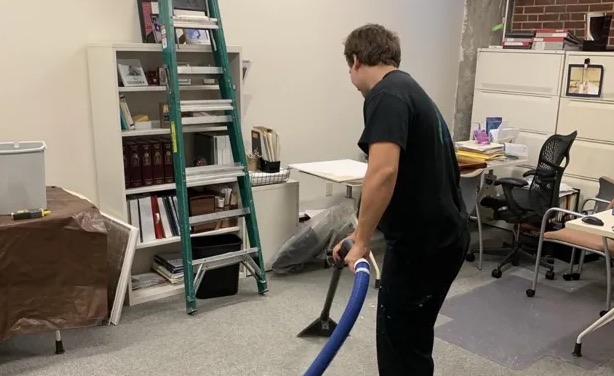
Local Water Damage Restoration Services for 56073
In New Ulm, storms and plumbing failures bring water inside. Local water extraction experts handle extraction, sewage cleanup and drying after storm damage.
Detailed Water Damage Restoration Services for 56073
Water Extraction
Soaked carpet and pad hold water that standard pumps miss. The pros in New Ulm extract it deeply, which often saves the flooring.
Water Removal
Powerful extractors pull bulk water from carpets and hard flooring. This initial removal in New Ulm is a necessary step before structural drying can begin.
Water Damage Repair
After drying, repair work addresses cosmetic and functional damage. This may mean replacing warped cabinets, swollen doors, or damaged subflooring.
Sewage Cleanup
Sewage is Category 3 water. Cleanup includes removing the sewage, disinfecting surfaces and drying the area in New Ulm.
Flood Cleanup
When water comes in from outside, soaked materials are removed and the area is cleaned and dried in New Ulm.
Warning Signs You Need Water Damage Restoration
Puddles Around Appliances
Standing water near a water heater, washer or fridge means a leak. Call (952) 392-4418 before it spreads further.
Wet or Damp Attic Insulation
Damp insulation in the attic loses effectiveness and can rot wood. Attic drying and removal may be necessary for proper repair.
Water Stains on Ceilings
Yellow or brown ceiling stains indicate an ongoing water leak from above. The experts should inspect to identify the hidden source.
Visible Mold Patches
Any visible mold, especially after a leak, means moisture has stayed long enough for spores to grow.
How Water Damage Restoration Works in 56073
Step 1: Source Stop and Water Extraction
First, the water source is contained or repaired. Then, experts perform thorough water extraction from all affected surfaces and materials.
Step 2: Air Circulation and Drying
Air movers push air across wet surfaces to speed up evaporation from floors and walls.
Step 3: Antimicrobial Application
After drying, surfaces that stayed wet are treated with an antimicrobial to help keep mold from starting.
Step 4: Repair and Documentation
Any necessary water damage repair is performed to restore the property. Detailed documentation, including photos, is compiled for your insurance provider.
Frequent Sources of Home Water Damage in 56073
Faulty or Clogged Gutters
Gutters that overflow or detach pour water against the home's siding. This leads to wall and basement water damage over time.
Sewer Line Backups or Overflows
Blocked main sewer lines or septic failures can push sewage up into the home through drains.
Roof Leaks From Storm Damage
Wind-driven rain, hail or fallen debris can break through roofing and let water into the home.
Appliance Malfunctions and Leaks
Water heaters, washing machines, dishwashers and refrigerators can leak or overflow suddenly and flood the floor.
Water Damage Restoration for All Property Types in 56073
Residential Water Damage Restoration
Water damage in homes demands quick action to protect personal belongings and structure. The pros address leaks from appliances, roof failures, or plumbing to prevent mold.
Commercial Water Damage Restoration
For businesses, water damage halts operations and puts stock, equipment and data at risk. Pros extract water from offices, stores and warehouses and dry the structure to get you reopened.
When Water Damage Restoration Requires a Pro in 56073
Catch a small leak under a kitchen sink with a bucket, dry the cabinet and take out stored items. If the cabinet floor or the wall behind got soaked, have it checked for hidden moisture.
Factors in Water Damage Restoration Pricing for 56073
In New Ulm, moving and storing furniture or belongings so floors can be dried adds labor and affects the final cost.
Drying Time Required
How long air movers and dehumidifiers must run affects equipment cost and job length.
Content Pack-Out Needs
The cost includes labor for moving, cleaning, and storing furniture and personal belongings to facilitate the flooded basement cleanup and drying process.
Emergency Service Timing
Night and weekend extraction can carry a different rate than work during business hours.
Does Insurance Cover Water Damage Restoration?
Water extraction may be covered if the cause is a named peril in a homeowner's policy. Confirm with your insurer first. The pros document the scope with photos and moisture maps, creating a record for your insurance company's review.
Benefits of Local Water Extraction Experts for Water Damage Restoration in 56073
Integrated Service Approach
One set of pros handles the job from the first water removal to the final repairs.
Contamination Safety Protocols
For sewage or dirty flood water, the pros wear protective gear and treat surfaces to reduce health risks.
Thorough Structural Drying
Air movers and dehumidifiers dry the structure and contents until readings are back to normal.
24/7 Emergency Water Damage Restoration in 56073
Sewer backups and major flooding need fast, safe handling. Call (952) 392-4418 24/7 for the experts to start sewage cleanup or water extraction.
Call Now (952) 392-4418Water Damage Restoration Near 56073: Areas Served
In New Ulm and nearby Sleepy Eye, St. James and St. Peter, local pros handle everything from sewage backup cleanup to final water damage repairs.
Answers to Top Water Damage Restoration Questions
What is involved in the water damage restoration process?
The process begins with an assessment and emergency water extraction. Then, structural drying services using industrial equipment remove moisture.
What is Category 3 water during sewage cleanup?
Category 3 water is grossly contaminated, containing pathogens, as from sewage backups, flooding from rivers, or standing water that has become stagnant.
What are common causes of residential water damage?
Common causes include plumbing failures like burst pipes, appliance leaks from water heaters or washing machines, roof leaks, and flooding from severe weather.
What is the difference between water removal and structural drying?
Water removal takes out standing water. Structural drying then removes moisture absorbed into drywall and wood with air movers and dehumidifiers.
What happens during the flood cleanup process?
Flood cleanup starts with pumping out standing water. Then, mud and debris are removed. The area is cleaned and disinfected.