ZIP 55164 · Saint Paul, MN · Ramsey County
Water Damage Restoration in 55164Sewage Cleanup & Water Removal
Water Damage Restoration in Saint Paul covers water removal, flood cleanup and mold prevention after water damage.
Answered 24/7
Water Damage Restoration Solutions in 55164, Minnesota
In the Saint Paul area, water can damage building materials and indoor air. Local water damage pros restore homes and businesses, cleaning up sewage backups and drying the structure.
In Saint Paul and nearby Little Canada, Roseville and Maplewood, the pros extract water and dry the structure to industry standards after leaks and floods, before swelling, odor and mold set in.
Detailed Water Damage Restoration Services for 55164
Sewage Cleanup
Sewage is Category 3 water. Cleanup includes removing the sewage, disinfecting surfaces and drying the area in Saint Paul.
Water Removal
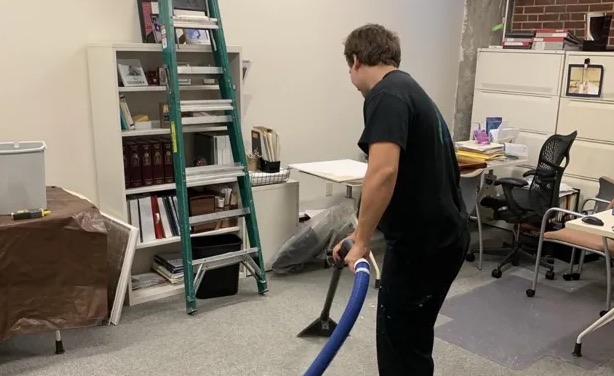
Quick water removal in Saint Paul extracts standing water using powerful pumps. This first step helps prevent further damage to floors and base materials.
Water Extraction
Water extraction pulls moisture from saturated materials like carpets and padding. This deep process prevents warping and mold growth.
Storm Damage Repair
Severe weather can damage the roof and let water inside. Pros in Saint Paul make roof repairs, secure the property and dry the wet interior.
Mold Prevention After Water Damage
Prompt drying is the main way to keep mold from starting after water damage. Materials that stay wet for a day or two are at risk.
Signs Your 55164 Property Needs Water Damage Help
Wet Spots on Carpets
Carpet or pad that stays damp means water has soaked deep into the floor, where it can rot the subfloor.
Wet or Damp Attic Insulation
Damp insulation in the attic loses effectiveness and can rot wood. Attic drying and removal may be necessary for proper repair.
Cracked or Warping Floorboards
Hardwood floors that warp, cup, or crack are reacting to moisture. The pros can assess and begin drying.
High Indoor Humidity Levels
A consistently sticky, humid feeling indoors can indicate poor drying. Professionals use tools to measure and correct moisture levels.
How Water Damage Restoration Works in 55164
Step 1: Water Removal Services
Powerful extractors remove the surface water and the water absorbed into carpet and floors.
Step 2: Comprehensive Dehumidification
Commercial dehumidifiers pull moisture from the air and building materials, which dries carpet and walls.
Step 3: Cleaning and Debris Removal
Damaged materials that cannot be saved are safely removed. Salvageable surfaces are cleaned and sanitized as part of the water damage cleanup.
Step 4: Reconstruction and Final Verification
Necessary rebuilding, from drywall to flooring, is completed. A final moisture check verifies the area is dry and restoration is finished.
Why Properties in 55164 Experience Water Damage
Faulty or Clogged Gutters
Gutters that overflow or detach pour water against the home's siding. This leads to wall and basement water damage over time.
Natural Flooding From Heavy Rain
Heavy rain can overwhelm drainage and send surface water inside through doors and low spots.
Sewer Line Backups or Overflows
Blocked main sewer lines or septic failures can push sewage up into the home through drains.
Roof Leaks From Storm Damage
Wind-driven rain, hail or fallen debris can break through roofing and let water into the home.
Water Damage Restoration for All Property Types in 55164
Residential Water Damage Restoration
Attic water damage from roof leaks can ruin insulation and decking, affecting energy bills. The pros perform attic drying and may remove wet insulation.
Commercial Water Damage Restoration
Warehouses and plants need heavy-duty water removal over large areas after drainage failures or sprinkler discharges, to protect machinery and storage.
Professional Water Damage Restoration or DIY in 55164?
Catch a small leak under a kitchen sink with a bucket, dry the cabinet and take out stored items. If the cabinet floor or the wall behind got soaked, have it checked for hidden moisture.
Cost Considerations for Water Damage Restoration in 55164
Accessibility to the damaged area impacts the price. Water removal from an open basement differs from a confined crawl space, which may require specialized equipment and additional time for the pros.
Content Pack-Out Needs
The cost includes labor for moving, cleaning, and storing furniture and personal belongings to facilitate the flooded basement cleanup and drying process.
Area Accessibility
Difficult-to-access areas like crawl spaces or attics may require specialized equipment, increasing the time and cost for the experts to complete the work.
Affected Materials
Restoration costs vary if water damages drywall, hardwood floors, or custom cabinetry, as each material has different repair or replacement requirements.
Does Insurance Cover Water Damage Restoration?
Mold cleanup after water damage might be covered if the mold came from a sudden, covered leak. Coverage is often limited, so review your policy.
Advantages of Hiring Water Damage Pros in 55164
Contamination Safety Protocols
For sewage or dirty flood water, the pros wear protective gear and treat surfaces to reduce health risks.
Thorough Structural Drying
Air movers and dehumidifiers dry the structure and contents until readings are back to normal.
Content Restoration Focus
Attention is given to salvaging personal belongings through specialized techniques like wet carpet drying and content cleaning, when possible, during the restoration process.
24/7 Emergency Water Damage Restoration in 55164
Water intrusion doesn't wait for business hours. Whether it's a burst pipe or storm flooding, you need help now. Call (952) 392-4418 for 24/7 emergency water removal services from the pros serving Saint Paul.
Call Now (952) 392-4418Water Damage Restoration Service Area Including 55164, MN
Water damage restoration is available in Saint Paul and nearby areas like Little Canada, Roseville and Maplewood, from indoor leaks to storm flooding.
Frequently Asked Water Damage Restoration Questions
What is Category 3 water during sewage cleanup?
Category 3 water is grossly contaminated, containing pathogens, as from sewage backups, flooding from rivers, or standing water that has become stagnant.
Why can mold become a problem after water damage?
Mold can grow in damp materials within 24 to 48 hours. If moisture remains after drying, mold removal may be needed.
What is the difference between water removal and structural drying?
Water removal takes out standing water. Structural drying then removes moisture absorbed into drywall and wood with air movers and dehumidifiers.
What are common causes of residential water damage?
Common causes include plumbing failures like burst pipes, appliance leaks from water heaters or washing machines, roof leaks, and flooding from severe weather.
Can contents and furniture be restored after water damage?
Many contents can be restored through professional cleaning and drying techniques like ultrasonic cleaning or freeze-drying.