ZIP 55146 · Saint Paul, MN · Ramsey County
Water Damage Restoration in 55146Storm Damage Repair & Structural Drying
Water Damage Restoration in Saint Paul covers sewage cleanup, storm damage repair and structural drying.
Answered 24/7
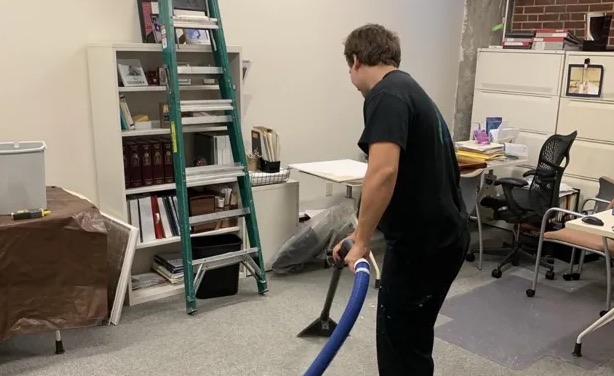
Water Damage Restoration Solutions in 55146, Minnesota
In Saint Paul, moisture that stays in a building leads to big repairs and health problems. Local water extraction experts remove the water and dry out the hidden dampness, removing mold when needed.
Around the Saint Paul area, including Maplewood, Mendota Heights and Falcon Heights, the pros remove water from affected homes and businesses and dry the structure to keep mold from starting.
The Water Damage Restoration Process in 55146, MN
Storm Damage Repair
Storm damage repair fixes a property's structure and finishes after initial drying. It involves carpentry, drywall, painting, and flooring work. The pros in Saint Paul manage these projects to completion.
Structural Drying
Structural drying removes moisture from materials like drywall and wood. It uses air movers and dehumidifiers to achieve specific dryness goals, preventing warping and mold.
Flood Cleanup
Flood cleanup deals with large water volumes inside a building. It prioritizes safety with hazard assessment.
Mold Prevention After Water Damage
Surfaces that stayed wet are cleaned and treated with an antimicrobial after drying in Saint Paul homes.
Water Damage Repair
After drying, pros rebuild what water damaged, patching drywall and laying new flooring so rooms in Saint Paul homes work as before.
Symptoms Requiring Water Damage Restoration in 55146
High Indoor Humidity Levels
A consistently sticky, humid feeling indoors can indicate poor drying. Professionals use tools to measure and correct moisture levels.
Water Stains on Ceilings
Yellow or brown ceiling stains indicate an ongoing water leak from above. The experts should inspect to identify the hidden source.
Cracked or Warping Floorboards
Hardwood floors that warp, cup, or crack are reacting to moisture. The pros can assess and begin drying.
Musty Odors in Rooms
A persistent musty smell often means hidden moisture and mold growing behind walls or under floors.
How Water Damage Restoration Works in 55146
Step 1: Assessment and Moisture Mapping
Pros use sensors and cameras to map the full extent of moisture in materials.
Step 2: Flood Water Removal
Heavy-duty pumps and extractors eliminate all pooling water from the affected area. Fast flood cleanup prevents secondary damage and mold growth.
Step 3: Targeted Drying Procedures
Specialized drying equipment is aimed at hard-to-reach areas like subfloors and the insides of walls.
Step 4: Mold Prevention and Restoration
Areas are treated to inhibit mold, followed by necessary reconstruction. The final step returns your space to a safe, pre-damage condition.
Typical Water Damage Triggers in 55146
Natural Flooding From Heavy Rain
Heavy rain can overwhelm drainage and send surface water inside through doors and low spots.
Fire Suppression System Activation
Fire sprinklers that discharge during a fire or by accident put a lot of water into a building.
Foundation Cracks and Seepage
Hydrostatic pressure can push groundwater through foundation cracks into basements. Flooded basement cleanup and exterior waterproofing are typical solutions.
Bathroom Fixture Failures
Failed toilet seals, overflowing tubs and leaking shower pans soak carpet and subfloors over time.
Residential and Commercial Water Damage Restoration in 55146
Residential Water Damage Restoration
Attic water damage from roof leaks can ruin insulation and decking, affecting energy bills. The pros perform attic drying and may remove wet insulation.
Commercial Water Damage Restoration
Warehouses and plants need heavy-duty water removal over large areas after drainage failures or sprinkler discharges, to protect machinery and storage.
Water Damage Restoration vs. DIY: When to Call Water Extraction Experts
After turning off power, mop water off hard floors. Put foil or plastic under furniture legs on wet carpet to prevent stains. If flooring buckles or cups, call the pros for drying.
Factors in Water Damage Restoration Pricing for 55146
In Saint Paul, how long the water sat affects cost. A leak stopped quickly does little damage, while long saturation soaks deeper and needs more drying.
Content Pack-Out Needs
The cost includes labor for moving, cleaning, and storing furniture and personal belongings to facilitate the flooded basement cleanup and drying process.
Emergency Service Timing
Night and weekend extraction can carry a different rate than work during business hours.
Area Accessibility
Difficult-to-access areas like crawl spaces or attics may require specialized equipment, increasing the time and cost for the experts to complete the work.
Does Insurance Cover Water Damage Restoration?
Sewage cleanup coverage varies. Some policies cover resulting water damage, others need an endorsement. Review your policy details. The professionals provide documentation showing the damage and remediation steps for your insurer.
Selecting Local Experts for Water Damage Restoration in 55146
Advanced Moisture Detection
Thermal cameras and moisture meters let the experts find hidden water in walls and subfloors so drying is complete.
Content Restoration Focus
Attention is given to salvaging personal belongings through specialized techniques like wet carpet drying and content cleaning, when possible, during the restoration process.
IICRC-Standard Methods
The pros follow industry standards for water removal and drying, which helps prevent mold.
Emergency Water Damage Restoration Response for 55146
Storm damage and plumbing failures can happen at any time. Call (952) 392-4418 day or night for emergency water damage cleanup and repair from local pros.
Call Now (952) 392-4418Providing Water Damage Restoration to 55146 and Nearby
Across Saint Paul and nearby Maplewood, Mendota Heights and Falcon Heights, the pros extract water, dry and repair homes and businesses.
Water Damage Restoration Information: Your Questions
How quickly should water extraction begin after a flood?
As soon as it is safe. Standing water speeds up damage, and mold can start within 24 to 48 hours.
Why can mold become a problem after water damage?
Mold can grow in damp materials within 24 to 48 hours. If moisture remains after drying, mold removal may be needed.
Can water damage affect the structural integrity of a home?
Long exposure can weaken framing and drywall. Pros assess the damage and dry the structure before rot sets in.
What are common causes of residential water damage?
Common causes include plumbing failures like burst pipes, appliance leaks from water heaters or washing machines, roof leaks, and flooding from severe weather.
What is Category 3 water during sewage cleanup?
Category 3 water is grossly contaminated, containing pathogens, as from sewage backups, flooding from rivers, or standing water that has become stagnant.