
Trusted by 155+ Homeowners
Ulv Fogging In Mold Remediation: How It Works
- Over 157 5-Star Reviews
- Free Estimates and Quotes
- 100% Satisfaction Guaranteed
- Child, Family & Pet Safe Steps
- 24-Hour Emergency Service
- Fully Licensed & Insured
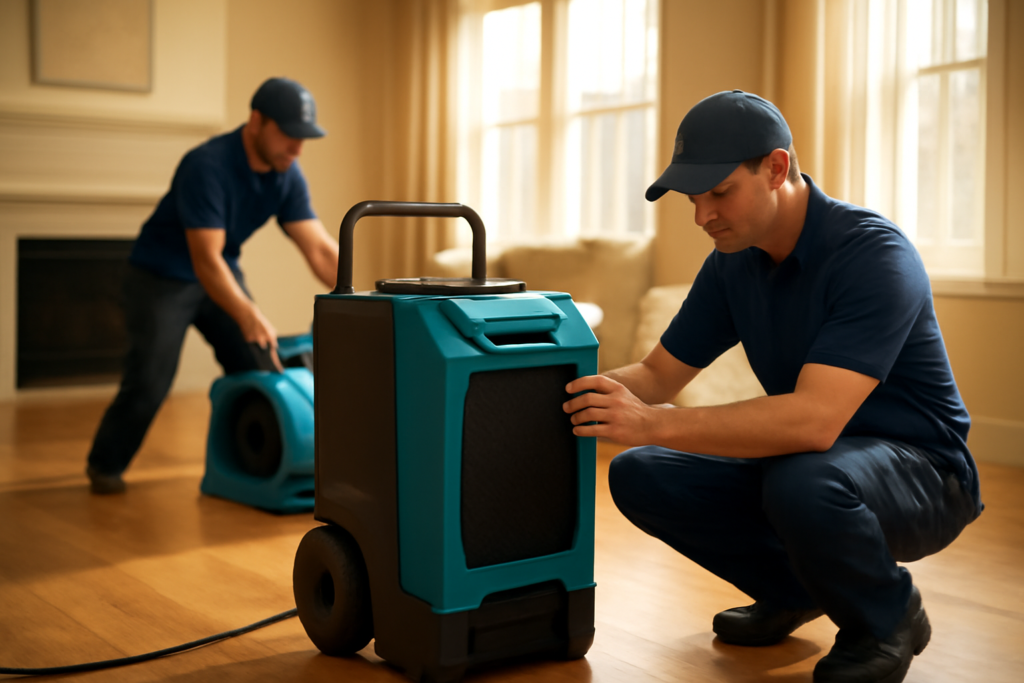
ULV fogging is a powerful technique used in mold remediation to disinfect surfaces and neutralize airborne spores.
It works by creating a fine mist of a special cleaning solution that can reach every nook and cranny, effectively tackling mold issues.
TL;DR:
- ULV fogging uses a fine mist to apply antimicrobial solutions for mold remediation.
- It’s highly effective at reaching hidden areas and neutralizing airborne mold spores.
- Proper application requires trained professionals to ensure safety and effectiveness.
- ULV fogging is often part of a larger mold remediation process.
- It helps prevent mold regrowth and improves indoor air quality.
ULV Fogging in Mold Remediation: How It Works
Have you noticed a persistent musty smell in your home, especially after a period of rain or high humidity? That smell is often a telltale sign of mold growth. When mold takes hold, it can spread quickly, and traditional cleaning methods might not be enough to eliminate it completely. This is where advanced techniques like ULV fogging come into play during mold remediation.
What Exactly is ULV Fogging?
ULV stands for Ultra-Low Volume. ULV fogging machines produce tiny droplets of a liquid, creating a fine mist or fog. This mist is much finer than what a typical spray bottle can produce. The droplets are so small that they can hang in the air for a while, allowing them to settle on surfaces and even penetrate porous materials. It’s like a gentle rain of cleaning power, reaching places you might miss with a cloth or brush.
The Science Behind the Fog
The effectiveness of ULV fogging in mold remediation comes down to the solution used and the application method. The machines atomize a specially formulated antimicrobial or disinfectant solution into microscopic droplets. These droplets are electrostatically charged, helping them cling to surfaces rather than just bouncing off. This ensures a more thorough and even coating of the treatment solution.
How ULV Fogging Aids Mold Remediation
Mold remediation is a multi-step process designed to remove mold and prevent its return. ULV fogging plays a specific role in this process. It’s not a standalone solution but a powerful tool that enhances the overall effectiveness of mold removal and control. Many experts consider it a vital part of a thorough remediation process.
Neutralizing Airborne Spores
One of the biggest challenges with mold is its microscopic spores. These spores are constantly floating in the air and can land on surfaces, triggering new growth. ULV fogging is excellent at killing these airborne spores. The fine mist encounters the spores as they float, neutralizing them before they can settle and germinate. This is a key step in preventing the spread of mold throughout your home.
Reaching Hidden Contamination
Mold loves to hide. It can grow behind walls, under carpets, and in ventilation systems. Traditional cleaning methods often can’t reach these hidden areas. The fog produced by ULV machines can penetrate tight spaces, cracks, and crevices. This ensures that mold and its spores in hard-to-reach places are treated. This ability to reach hidden areas is critical for complete mold eradication.
The ULV Fogging Process Explained
When you hire professionals for ULV fogging, they follow a careful protocol. First, they identify the extent of the mold problem. They will isolate the affected area to prevent the fog from spreading unnecessarily. Then, they select the appropriate EPA-approved cleaning solution. This solution is chosen based on the type of mold and the surfaces being treated. Safety is a top priority during this step.
Safety First!
It’s important to note that the solutions used in ULV fogging are potent. They are designed to kill mold and other microorganisms. Therefore, the area being treated must be vacated by people and pets. Professionals wear protective gear, including respirators and gloves. They also ensure proper ventilation after the treatment is complete. Trying to do this yourself without proper knowledge and equipment can be dangerous to your health.
Application Techniques
The ULV fogger is used to systematically mist the entire affected area. The technician moves through the space, allowing the fog to settle evenly. They pay special attention to areas with visible mold growth and potential hidden spots. The goal is to ensure comprehensive coverage without over-saturating any single area. This controlled application is key to its success.
Post-Treatment Steps
After the fogging process, the area is typically left to air out for a specific period. This allows the solution to work and the air to clear. Once it’s safe to re-enter, professionals will often perform air quality tests and surface inspections. This confirms that the mold spores have been neutralized and the area is safe. It’s a crucial part of ensuring the problem is truly solved and helps prevent future issues.
When is ULV Fogging Recommended?
ULV fogging is not always necessary for every minor mold spot. However, it becomes highly recommended in certain situations. If you have a significant mold infestation, the mold has spread to multiple rooms, or there’s a lingering musty odor causes that you can’t pinpoint, ULV fogging can be very effective. It’s particularly useful for treating large areas or when mold is suspected behind walls or in HVAC systems.
Dealing with Odors
Sometimes, the most persistent problem after mold growth isn’t the mold itself, but the lingering smell. Mold can release volatile organic compounds (VOCs) that create that unpleasant odor. ULV fogging can help neutralize these odor-causing compounds, not just kill the mold. This makes it an excellent solution for tackling both the visible and invisible aspects of a mold problem. You might be wondering why does my house smell like mold after rain, and ULV fogging can be part of the answer.
Complementary to Other Methods
It’s important to remember that ULV fogging is often part of a larger strategy. Before fogging, mold specialists will typically remove visible mold growth and clean affected surfaces. After fogging, they focus on drying the area completely and addressing the root cause of the moisture problem. This integrated approach ensures long-term success. Understanding water damage link and its connection to mold is essential.
The Importance of Professional Application
Given the specialized equipment and potent solutions involved, ULV fogging should always be performed by trained and certified professionals. They have the expertise to use the equipment correctly, choose the right solutions, and ensure the safety of your home and its occupants. Attempting this process without proper training could lead to ineffective treatment or even health hazards. You need a trained professional right away if you suspect a mold issue.
Choosing the Right Solution
The effectiveness of ULV fogging hinges on the antimicrobial solution used. Professionals select solutions that are EPA-registered and specifically designed for mold remediation. These solutions are formulated to kill mold spores and inhibit future growth. The choice of solution depends on the type of mold, the affected materials, and the overall scope of the problem. This ensures a safe and effective treatment. Don’t hesitate to ask about the products they use.
Preventing Future Mold Growth
While ULV fogging is a powerful remediation tool, it’s not a magic bullet against future mold. The most critical step in preventing mold is controlling moisture. Leaky pipes, high humidity, and condensation are common culprits. Addressing the source of moisture is paramount. If you’re experiencing recurring mold issues, it’s a sign that the underlying moisture problem needs to be solved. This is key to long-term mold prevention.
Understanding Moisture Sources
Identifying and fixing the source of excess moisture is crucial. This could involve repairing roof leaks, fixing plumbing issues, or improving ventilation in bathrooms and kitchens. Sometimes, a simple increase in dehumidifier use can make a difference. Understanding common moisture sources helps you tackle the root cause, not just the symptom.
Maintaining Healthy Humidity Levels
Keeping indoor humidity levels between 30% and 50% is generally recommended. Using a hygrometer can help you monitor these levels. Dehumidifiers and proper ventilation systems are excellent tools for maintaining this balance. If you’ve recently had water damage, getting the humidity back to normal quickly is essential. This prevents mold from taking hold in the first place. It’s about creating a less hospitable environment for mold.
Checklist for Mold Prevention
- Inspect for and repair any leaks promptly.
- Ensure adequate ventilation in bathrooms, kitchens, and basements.
- Use dehumidifiers in damp areas to maintain low humidity.
- Clean up spills and wet areas within 24-48 hours.
- Monitor indoor humidity levels regularly.
- Consider professional inspections if you suspect hidden mold.
Conclusion
ULV fogging is a sophisticated and highly effective method used in professional mold remediation. It excels at neutralizing airborne mold spores and reaching inaccessible areas, making it a powerful tool for restoring your home’s health and safety. While the technology is impressive, its successful application relies on the expertise of trained professionals. They ensure the process is safe, effective, and integrated into a comprehensive plan to address the root cause of mold growth. If you suspect a mold problem, don’t wait to get help. For expert advice and professional mold remediation services, Eden Prairie Restoration Pros is a trusted resource dedicated to helping you achieve a healthy living environment.
How long does ULV fogging take?
The actual fogging process for a typical room might take anywhere from 30 minutes to a couple of hours, depending on the size of the area and the severity of the mold. However, this doesn’t include the preparation time needed to seal off the area or the drying and ventilation time afterward. Professionals will give you a more precise estimate.
Is ULV fogging safe for pets and children?
The process itself requires that pets and children be removed from the area during application and until the space is properly ventilated and deemed safe by professionals. The solutions used are potent. Once the area is cleared and aired out, it is considered safe. It’s about ensuring safety before re-entry.
Can I do ULV fogging myself?
While ULV fogging machines are available for rent or purchase, it is strongly recommended that this service be performed by certified professionals. They have the training to use the equipment correctly, understand the appropriate solutions for different mold types, and know how to ensure the safety of the occupants and the property. Improper use can be ineffective and potentially harmful.
What is the difference between ULV fogging and spraying?
The main difference lies in droplet size and application method. Standard spraying creates larger droplets that may not penetrate as deeply or remain airborne as long. ULV fogging creates much finer, microscopic droplets that can reach into tiny crevices, hang in the air longer to neutralize airborne contaminants, and provide a more uniform coating. It’s about precision and coverage.
How often should ULV fogging be done?
ULV fogging is typically performed as part of a specific mold remediation project. It’s not usually a routine maintenance procedure. It is used when there is an active mold problem that requires thorough treatment of surfaces and air. The frequency is determined by the scope of the mold infestation and the remediation plan developed by professionals.

Levi Lemieux is a licensed Damage Restoration Expert with more than 20 years of hands-on experience in disaster recovery and structural mitigation. As a seasoned industry authority, Levi has dedicated two decades to mastering the technical complexities of environmental safety, providing property owners with the reliable expertise and steady leadership required to navigate high-stress property losses with absolute confidence.
𝗖𝗲𝗿𝘁𝗶𝗳𝗶𝗰𝗮𝘁𝗶𝗼𝗻𝘀: Levi holds elite IICRC credentials, including Water Damage Restoration (WRT), Applied Structural Drying (ASD), Mold Remediation (AMRT), Fire and Smoke Restoration (FSRT), and Odor Control (OCT).
𝗙𝗮𝘃𝗼𝗿𝗶𝘁𝗲 𝗣𝗮𝘀𝘁𝗶𝗺𝗲: When off-site, Levi is a passionate mountain biker and an amateur astronomer, hobbies that reflect the endurance and precision he brings to every restoration project.
𝗕𝗲𝘀𝘁 𝗣𝗮𝗿𝘁 𝗼𝗳 𝘁𝗵𝗲 𝗷𝗼𝗯: He finds the most fulfillment in providing a clear path forward for families, turning a site of devastation back into a safe, comfortable home.