Champlin, MN · Hennepin County
Temperature-Controlled Drying in Champlin, MNDrying Equipment Deployment & Thermal Drying For Water Damage
Temperature-Controlled Drying in Champlin includes moisture mapping, rapid structural drying services and water damage drying logs from local drying equipment pros.
Answered 24/7
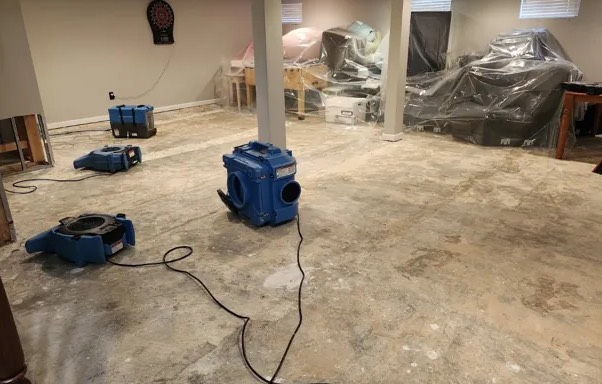
Local Temperature-Controlled Drying Solutions for Champlin Homes
In Champlin, moisture that dries unevenly can warp materials and leave hidden mold. Local pros control heat and airflow so drying is even and does not cause more damage.
In Champlin and nearby Anoka, Coon Rapids and Andover, local pros map moisture in walls and subfloors, then fit thermal drying and humidity control to the materials in the building.
Specialized Temperature-Controlled Drying Offerings in Champlin, MN
Drying Equipment Deployment
Pros set up drying machines with safe power, condensate drainage and placement based on the moisture map.
Thermal Drying for Water Damage
The pros apply thermal energy to enhance air mover and dehumidifier effectiveness. This lowers relative humidity, creating a stronger force to pull moisture from materials.
Humidity Control for Restoration
Dehumidifiers lower the dew point in the affected area, so materials give up their moisture more easily.
Climate-Controlled Drying Systems
Advanced systems allow precise manipulation of the drying environment. By controlling the dew point, the pros can aggressively dry contents without risk.
Air Mover Placement for Drying
The pros angle and space air movers in each room in Champlin so air flows evenly across every wet surface.
Warning Signs Requiring Temperature-Controlled Drying in Champlin
Equipment Running With No Result
Fans or dehumidifiers that run for days without drying the area mean the moisture is deeper than household equipment can reach.
High Humidity Readings Inside
A hygrometer showing unusually high indoor humidity after water damage means the building is still wet.
Condensation on Windows or Surfaces
Excess humidity causes water droplets to form on cold surfaces. This condensation confirms the indoor air has too much moisture.
Visible Mold Growth in Corners
Black, green or white specks in damp corners or on baseboards are usually mold, which means moisture has been there a while.
How Temperature-Controlled Drying Works in Champlin
Step 1: Detailed Moisture Mapping Inspection
The experts use advanced sensors to map all affected areas, including hidden cavities.
Step 2: Strategic Air Mover Deployment
Based on the map, the pros position high-velocity air movers to create optimal airflow across wet surfaces.
Step 3: Climate-Controlled Drying Implementation
Industrial dehumidifiers are deployed to precisely control temperature and humidity in the contained space.
Step 4: Continuous Moisture Monitoring and Logs
Pros take regular moisture readings to track progress, adjusting equipment as needed. Detailed drying logs document the entire process for your records.
Sources of Water Intrusion Needing Moisture Removal in Champlin
HVAC System Condensation Issues
A clogged condensate drain line causes an overflow inside the air handler. This water can soak insulation and ductwork, creating a hidden moisture issue.
Inadequate Initial Water Extraction
Water left behind after a leak or flood moves into subfloors and walls, where it is harder to dry.
Foundation Cracks and Seepage
Hydrostatic pressure forces groundwater through cracks in the foundation wall. This seepage creates a constant dampness that challenges standard drying technology.
Appliance Malfunction or Overflow
A failed washing machine hose, water heater or dishwasher can release many gallons onto the floor.
Residential & Commercial Temperature-Controlled Drying in Champlin
Residential Temperature-Controlled Drying
At home, moisture hides in attics, crawl spaces and behind finished walls. Pros map it before setting up equipment so the whole house dries.
Commercial Temperature-Controlled Drying
In offices, schools and clinics, pros use quieter drying equipment that can run in occupied spaces, and document when drying is complete.
Temperature-Controlled Drying vs. DIY Drying in Champlin
Ventilating the area by opening windows can help if outdoor humidity is lower than indoors, but this is rarely controlled or sufficient. You can create a list of damaged items for a potential insurance claim.
What Affects Temperature-Controlled Drying Cost in Champlin
The pros in Champlin base cost on the extent of the water damage, the humidity control needed and how long monitoring runs.
Equipment Needs
The number and type of air movers, dehumidifiers and heaters used affect the cost.
Moisture Mapping Complexity
Checking moisture in layered floors or hidden cavities takes more time and equipment.
Documentation Requirements
Detailed drying logs and moisture reports for insurance take extra time to prepare.
Does Insurance Cover Temperature-Controlled Drying?
The pros in Champlin provide thorough documentation including moisture mapping data to support a homeowner's claim. Coverage decisions belong to the insurer, so property owners should confirm with their provider.
Selecting Drying Equipment Pros for Temperature-Controlled Drying in Champlin
24/7 Emergency Response
Quick action is critical to limit secondary damage, and the pros are available around the clock to begin the drying process.
Strategic Equipment Deployment
Air movers and dehumidifiers are placed according to a plan for even airflow and low humidity.
IICRC-Standard Drying Methods
Drying follows industry guidelines and is checked with meters, which keeps framing and floors from staying wet.
24/7 Temperature-Controlled Drying for Emergencies in Champlin
Don't let moisture settle in. For emergency deployment of drying equipment and strategic air mover placement to start controlled drying, reach the pros directly at (952) 392-4418, available 24/7.
Call Now (952) 392-4418Temperature-Controlled Drying Serving Champlin and Nearby Areas
Climate-controlled and thermal drying are available in Champlin and surrounding places including Anoka, Coon Rapids and Andover.
- Temperature-Controlled Drying in Anoka
- Temperature-Controlled Drying in Coon Rapids
- Temperature-Controlled Drying in Andover
- Temperature-Controlled Drying in Maple Grove
- Temperature-Controlled Drying in Brooklyn Park
- Temperature-Controlled Drying in Dayton
- Temperature-Controlled Drying in Ham Lake
- Temperature-Controlled Drying in Brooklyn Center
- Emergency Damage Restoration in 55316
- Storm Damage Restoration in 55316
- Water Damage Restoration in 55316
- Water Extraction Service in 55316
- Water Leak Detection in 55316
- Water Removal Service in 55316
Frequently Asked Questions About Temperature-Controlled Drying
What should a property owner do while waiting for help with drying?
If safe, remove obvious standing water with a mop or towels, move dry contents away from the wet area, and avoid using household fans which can spread contaminants.
What is the strategy behind air mover placement?
They are angled to move air across wet surfaces in a pattern, so moisture evaporates into the air where dehumidifiers can capture it.
What is temperature-controlled drying?
It is a drying method that controls heat and humidity together to remove moisture from building materials and contents safely and quickly.
When is climate-controlled drying necessary versus regular drying?
Climate-controlled drying is necessary for severe losses, sensitive materials, or when precise environmental control is needed to prevent damage, unlike simple air drying for minor spills.
What are water damage drying logs used for?
Drying logs are detailed records of moisture readings, equipment settings, and progress; they provide documentation for the restoration process and are often required for insurance claims.