Sewer Backup Water Removal in St. Paul, MN
Trusted by 155+ Homeowners
Sewer Backup Water Removal in St. Paul, MN: Don’t Let Flooding Ruin Your Home
St. Paul, MN, experiences an average of 4.5 inches of rainfall in July alone, making it a prime time for sewer backups to occur. Heavy rainfall can overwhelm your home’s drainage system, causing water to back up into your home. This can lead to costly damage and health hazards. You need a reliable team to help you clean up and restore your property.
Our team has helped over 165 homeowners in the area recover from sewer backup water removal. We’re dedicated to providing top-notch service and ensuring your home is safe and dry. You can trust our crew to handle the situation with care and efficiency.
- Quick Response Time: We respond within 60 minutes to reduce damage and prevent further complications.
- Advanced Equipment: Our technicians use state-of-the-art equipment to extract water and dry your property.
- Thorough Inspection: We inspect your home to identify the source of the backup and recommend necessary repairs.
How Our Sewer Backup Water Removal Process Works
When you call us for sewer backup water removal, our team springs into action. We’ll send a crew to your property to assess the situation and develop a customized plan to restore your home. Our process is designed to be thorough and efficient, ensuring your property is safe and dry as soon as possible.
Step 1: Initial Assessment and Planning
Our technicians will arrive at your property to assess the damage and identify the source of the backup. We’ll take note of the affected areas and develop a plan to restore your home.
Step 2: Water Extraction and Drying
We’ll use advanced equipment to extract water from your home and dry the affected areas. This process can take anywhere from 3-5 days, depending on the severity of the damage.
Step 3: Sanitizing and Disinfecting
After the water has been extracted and the area dried, our team will sanitize and disinfect the affected areas to prevent mold and bacterial growth.
Step 4: Repairs and Reconstruction
Once the cleaning and disinfecting process is complete, our team will work with you to repair and reconstruct any damaged areas of your home.
Step 5: Final Inspection and Verification
Our technicians will conduct a final inspection to ensure your home is safe and dry. We’ll verify that all repairs have been completed to your satisfaction.
Don’t wait to address the issue, call us today to schedule your sewer backup water removal service. Our team is ready to help you get back to normal as quickly as possible.
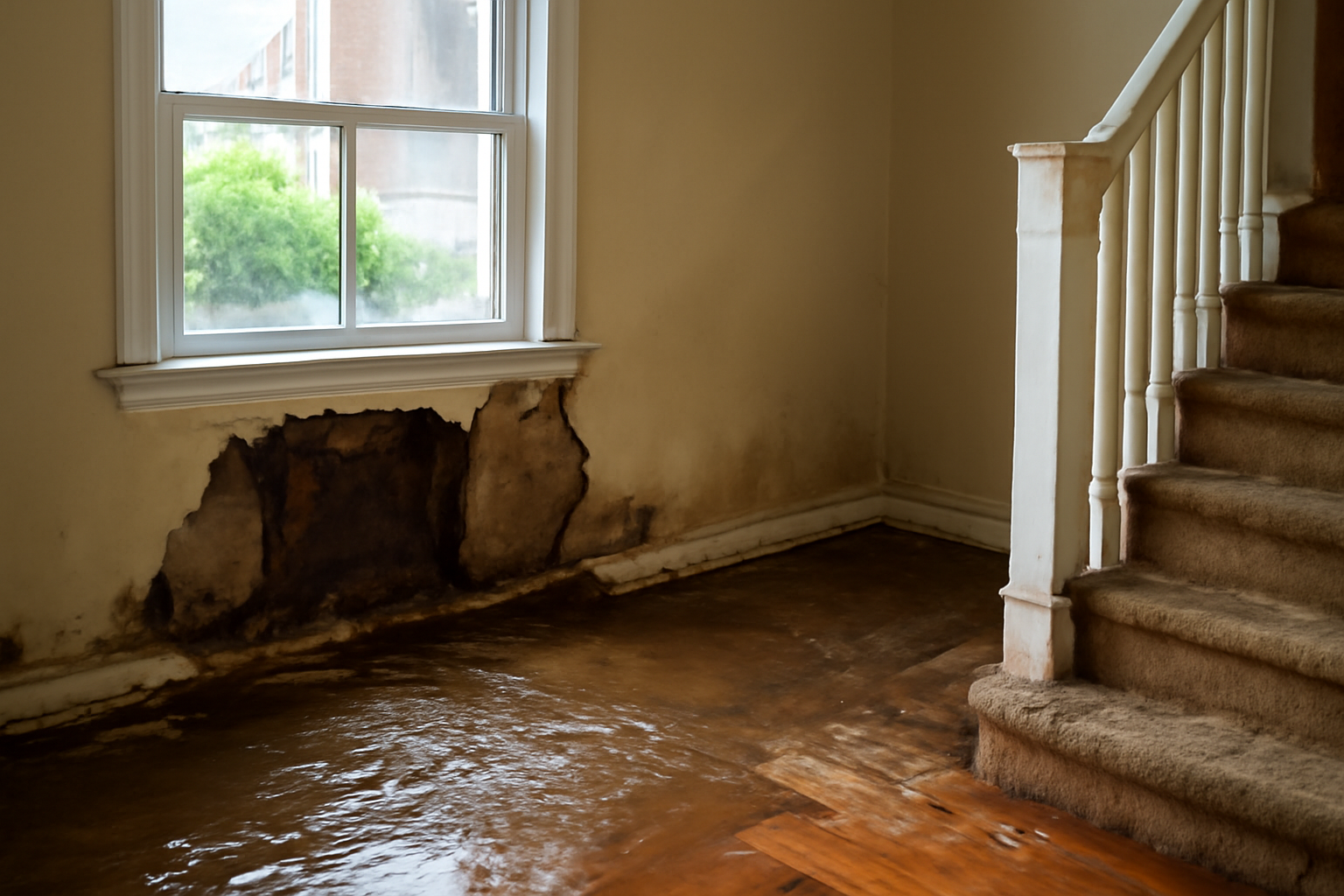
Warning Signs You Need Sewer Backup Water Removal
Catching these signs early can save you money and prevent bigger problems. Don’t ignore these warning signs:
Musty Odors That Won’t Go Away
Strong, unpleasant odors can show a sewer backup. If you notice persistent musty smells in your home, it’s time to call us.
Water Stains on Your Walls and Ceiling
Water stains can be a sign of a sewer backup. If you notice water stains on your walls or ceiling, it’s essential to address the issue quickly.
Slow Drains or Clogged Pipes
Slow drains or clogged pipes can show a sewer backup. If you notice these issues, don’t ignore them, call us today.
Unusual Noises from Your Drains
Gurgling or bubbling sounds from your drains can show a sewer backup. If you notice these noises, it’s time to call us.
Visible Water Damage
Visible water damage, such as standing water or water pooling, is a clear indication of a sewer backup. Don’t wait, call us today.
Sewer Backup Water Removal vs. DIY: When To Call a Professional
| Situation | DIY? | Call a Pro? | Why |
|---|---|---|---|
| Small water stain on the ceiling | Yes | No | DIY cleanup is usually enough for small water stains. |
| Visible water damage in multiple rooms | No | Yes | Professional help is necessary to ensure thorough cleanup and prevent further damage. |
| Slow drains or clogged pipes | No | Yes | Professional help is necessary to diagnose and fix the issue before it becomes a sewer backup. |
| Musty odors in multiple rooms | No | Yes | Professional help is necessary to identify and address the source of the odor. |
| Water pooling in the basement | No | Yes | Professional help is necessary to ensure thorough cleanup and prevent further damage. |
With sewer backup water removal, it’s always best to err on the side of caution. If you’re unsure about the severity of the issue, it’s better to call a professional to ensure your home is safe and dry.
Sewer Backup Water Removal Cost In St. Paul, MN
The cost of sewer backup water removal can vary depending on the severity of the damage, the size of the affected area, and local conditions in St. Paul, MN. These estimates are based on industry averages and may vary depending on your specific situation.
| Service | Typical Price Range | What Affects Cost |
|---|---|---|
| Water extraction and drying | $500 – $2,500 | Size of affected area, type of equipment needed |
| Sanitizing and disinfecting | $200 – $1,000 | Size of affected area, type of equipment needed |
| Repairs and reconstruction | $1,000 – $5,000 | Scope of repairs, materials needed |
| Final inspection and verification | $100 – $500 | Size of affected area, complexity of repairs |
Exact pricing will depend on an on-site assessment. We offer free estimates to help you understand the cost of our services.
Service Areas Near St. Paul, MN
We serve the following nearby communities: Arden Hills, Blaine, Bloomington, Brooklyn Center, Brooklyn Park, Burnsville, Coon Rapids, Cottage Grove, Eagan, Eden Prairie, Edina, Inver Grove Heights, Lakeville, Maple Grove, Mendota Heights, Minnetonka, New Brighton, New Hope, Oakdale, Plymouth, Prior Lake, Ramsey, Rosemount, Roseville, Savage, Shakopee, Stillwater, Vadnais Heights, Woodbury.
Common Questions About Sewer Backup Water Removal
What causes sewer backups?
Sewer backups can be caused by heavy rainfall, clogged pipes, or tree roots growing into the pipes. Regular maintenance and inspections can help prevent sewer backups.
How long does sewer backup water removal take?
The length of time it takes to complete sewer backup water removal depends on the severity of the damage and the size of the affected area. Our team will work with you to develop a customized plan to restore your home as quickly as possible.
Is sewer backup water removal covered by insurance?
Some insurance policies may cover sewer backup water removal, but it depends on your specific policy and the circumstances of the damage. We recommend checking with your insurance provider to find out your coverage.
How can I prevent sewer backups?
Regular maintenance and inspections can help prevent sewer backups. You can also take steps to prevent clogged pipes, such as using a drain screen and avoiding pouring grease and chemicals down the drain.
What happens if I don’t address the issue?
If you don’t address the issue, the damage can spread and become more costly to repair. Also, standing water can create an environment for mold and bacterial growth, which can pose health risks.
Check Our Other Relevant Services
Serving St. Paul, MN And Nearby Areas