Hvac Systems: An Overlooked Water Damage Source
Trusted by 155+ Homeowners
HVAC systems can be a surprising source of water damage in your home. Leaks from condensation, faulty components, or improper installation can lead to significant issues if not addressed promptly.
Understanding how your HVAC can cause water damage is key to preventing costly repairs. This often-overlooked system requires regular maintenance to avoid these problems.
TL;DR:
- HVAC systems can cause water damage through condensation, leaks, and clogs.
- Regular maintenance is essential to prevent these issues.
- Signs of HVAC water damage include stains, mold, and unusual sounds.
- Prompt professional restoration is crucial to mitigate damage and health risks.
- Ignoring HVAC water damage can lead to structural problems and mold growth.
HVAC Systems: An Overlooked Water Damage Source
You probably think of leaky pipes or a damaged roof first when considering water damage. But your heating and air conditioning system is a frequent, yet often forgotten, culprit. Understanding these risks is the first step. We found that many homeowners are unaware of the potential water damage their HVAC can cause.
How Can Your HVAC System Cause Water Damage?
Your HVAC system works hard to keep your home comfortable. This involves managing moisture. Condensation is a natural byproduct of cooling. This moisture needs to go somewhere. If the drainage system for this condensation fails, water can back up and overflow. This is a very common issue.
Condensation Drain Line Clogs
The condensation drain line removes moisture from your AC unit. Over time, algae, dirt, and debris can clog this line. When it clogs, water has nowhere to go. It can then pool inside your air handler or overflow onto your floors. Ignoring a clogged drain line can quickly lead to water damage.
Leaking Evaporator Coils
The evaporator coil is another part of your AC that handles moisture. If these coils freeze or crack, they can leak. This leakage can drip water directly onto your home’s structure. This is especially problematic if the coil is located above a finished ceiling. Water damage from coil leaks can spread unseen.
Cracked Drain Pan
Beneath your HVAC unit, a drain pan collects any excess condensation. If this pan cracks or rusts through, water will escape. It will then flow onto your basement floor or crawl space. This creates a steady source of moisture. It’s a problem that requires immediate attention from a technician.
Improper Installation or Maintenance
Sometimes, the issue isn’t wear and tear. Poor installation can lead to components not being sealed correctly. This allows water to escape. Lack of regular maintenance means potential problems go unnoticed. These issues can escalate quickly. Regular HVAC tune-ups are vital.
Signs of HVAC Water Damage to Watch For
Catching water damage early is key. Your HVAC system might give you clues. Keep an eye out for visible signs. These can alert you to a problem before it becomes severe. Many homeowners miss these subtle indicators.
Water Stains or Discoloration
Look for water stains on ceilings, walls, or floors near your HVAC unit. These are often brown or yellowish. They are a clear sign that water has been present. Visible water stains mean you should investigate further.
Musty Odors
A persistent musty smell often indicates hidden moisture. This is a common warning sign. It suggests that water has been pooling for some time. This can be a precursor to mold growth. The smell of mold after moisture is a serious concern.
Mold or Mildew Growth
If you see fuzzy patches of black, green, or white, it’s likely mold. Mold thrives in damp environments. An HVAC leak can create the perfect conditions for mold. This presents serious health risks. You do not want mold in your home.
Unusual Noises from the Unit
Sometimes, a clogged drain line can cause gurgling sounds. You might also hear dripping noises. These sounds can indicate water is not flowing correctly. Pay attention to any changes in your HVAC’s normal operation. Listen for any abnormal sounds.
The Impact of HVAC Water Damage
Water damage from your HVAC isn’t just an aesthetic problem. It can cause significant structural damage over time. It also creates an unhealthy living environment. Understanding these impacts highlights the urgency of addressing the issue.
Structural Damage
Persistent moisture can weaken building materials. Wood can rot, and drywall can sag and crumble. This can compromise the integrity of your home. Structural damage can be very expensive to repair. It’s often a result of long-term neglect.
Electrical Hazards
Water and electricity are a dangerous combination. If water seeps into electrical components of your HVAC system, it can cause shorts. This can lead to fires or electrical shock. Electrical hazards are a serious safety concern.
Pest Infestations
Damp areas created by HVAC leaks can attract pests. Cockroaches, termites, and rodents are drawn to moisture. These pests can cause further damage and health problems. Pest infestations can multiply quickly.
What To Do If You Suspect HVAC Water Damage
If you notice any signs of water damage related to your HVAC system, act fast. Time is of the essence. The longer water sits, the more damage it can cause. Don’t wait to get help.
Turn Off the System
The first step is to turn off your HVAC system. This prevents further water from being produced or spread. Shutting down the unit stops the source of the problem temporarily.
Document the Damage
Take photos or videos of the damage. This can be helpful for insurance claims. Documenting the extent of the problem is important. Record all visible signs of water intrusion.
Call a Professional Restoration Service
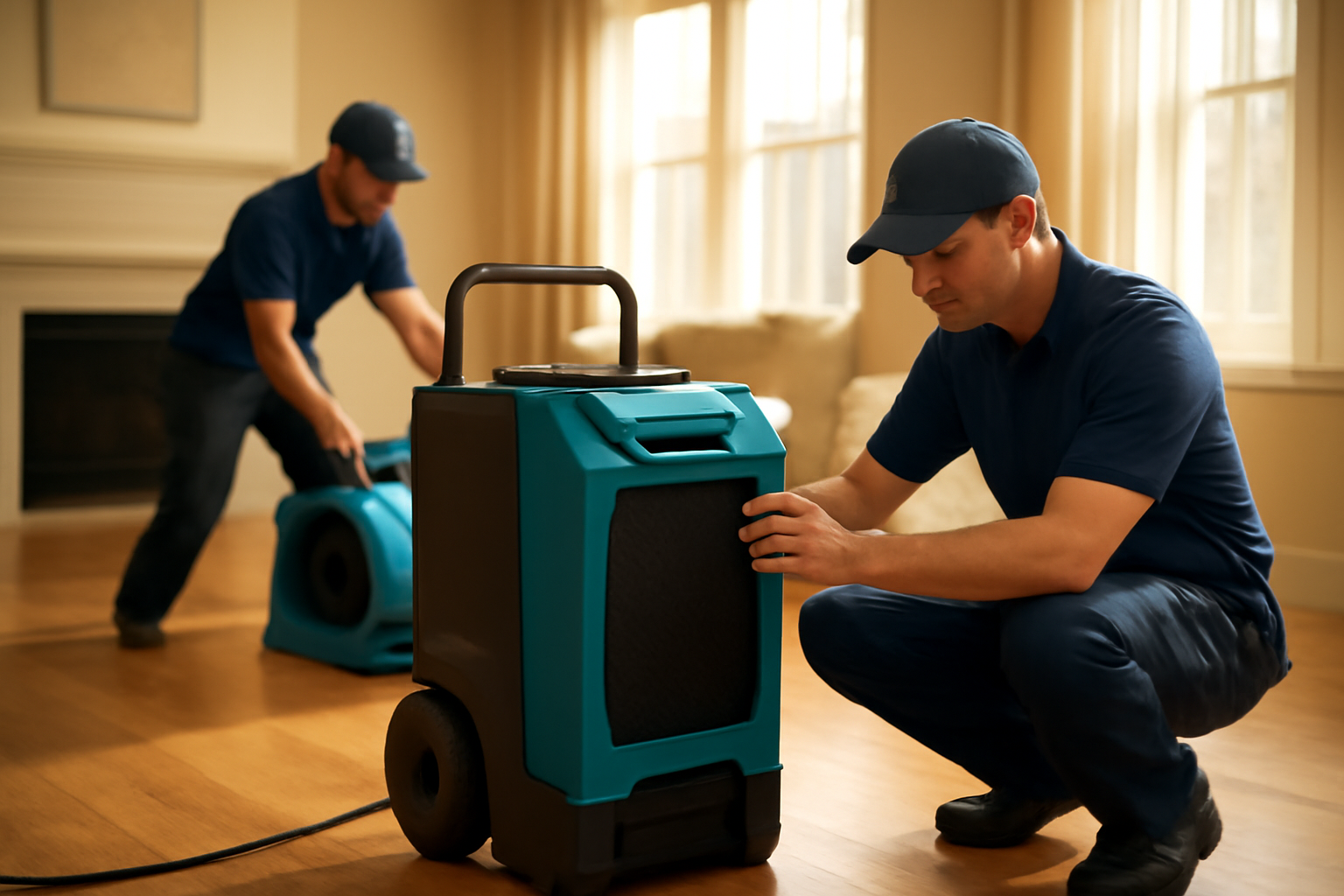
This is where professional help is crucial. Water damage requires specialized equipment and expertise. A restoration company can assess the damage. They can also safely remove water and dry out the affected areas. They can also help prevent mold. Call a professional right away for water damage assessment.
Contact an HVAC Technician
You will also need an HVAC technician. They can diagnose and repair the source of the leak. This ensures the problem doesn’t happen again. Schedule an HVAC inspection to fix the root cause.
Preventing Future HVAC Water Damage
Prevention is always better than cure. Regular maintenance can save you a lot of trouble. It’s a good idea to combine HVAC checks with other home maintenance. Many similar concerns apply to other water damage sources, too.
Schedule Regular HVAC Maintenance
Have your HVAC system inspected and serviced annually. A professional can catch potential issues early. This includes checking the drain line, coils, and pan. Annual HVAC maintenance is a smart investment.
Keep the Condensation Line Clear
Consider having your drain line flushed periodically. Some homeowners even install overflow shut-off switches. These switches automatically turn off the AC if the drain line clogs. Maintaining the drain line prevents backups.
Monitor Your Home for Leaks
Be aware of other potential water issues in your home. Hidden plumbing leaks can cause extensive damage inside your walls. Your roof is also a common source of water damage; understanding why your roof is the #1 source of water damage can save your home. Addressing these can prevent a cascade of problems.
Conclusion
Your HVAC system plays a vital role in your home’s comfort. It also has the potential to be a significant source of water damage. By understanding the common causes, recognizing the signs, and taking preventative measures, you can protect your home. If you do encounter HVAC water damage, prompt professional restoration is essential. Eden Prairie Restoration Pros is a trusted resource for comprehensive water damage restoration services. We help restore your home and peace of mind.
What are the most common HVAC components that cause water leaks?
The most common culprits are the condensation drain line, which can clog with debris, and the evaporator coils, which can develop leaks or freeze. The drain pan beneath the unit can also crack or rust, leading to leaks.
How often should I have my HVAC system serviced to prevent water damage?
It’s generally recommended to have your HVAC system professionally serviced at least once a year. This allows technicians to inspect for potential issues like clogs or worn-out parts that could lead to water leaks.
Can a simple clog in my HVAC drain line cause serious damage?
Yes, a simple clog can escalate quickly. When the drain line is blocked, condensation backs up and can overflow the drain pan. This standing water can then damage surrounding materials, promote mold growth, and potentially cause electrical issues.
What are the health risks associated with water damage from an HVAC system?
The primary health risk is mold growth. Mold thrives in damp environments created by water leaks. Inhaling mold spores can trigger allergies, asthma, and other respiratory problems. These are serious health dangers involved.
If my HVAC system leaks, should I try to fix it myself?
For minor issues like a visibly disconnected drain line, some DIYers might attempt a fix. However, for most leaks, especially those involving coils, pans, or internal components, it’s best to call a qualified HVAC technician. For the water damage cleanup and restoration, you should always call a professional restoration service to avoid further damage and ensure proper drying.