
How Serious Is Water In A Crawl Space Under A Home?
Trusted by 155+ Homeowners
Water in a crawl space is a serious issue that can lead to extensive damage and health problems if not addressed promptly.
The seriousness of water in your crawl space depends on the amount, duration, and source of the water, but it often poses a significant threat to your home’s structure and your family’s health.
TL;DR:
- Water in your crawl space can cause structural damage, mold growth, and pest infestations.
- Identifying the source of the water is the first step to resolving the problem.
- Long-term moisture can weaken your home’s foundation and floor joists.
- Mold and mildew are serious health risks, especially for those with respiratory issues.
- Prompt professional restoration is key to preventing further damage and ensuring a healthy home.
How Serious Is Water in a Crawl Space Under a Home?
You might think of a crawl space as just a dark, dusty void under your house. But when water finds its way in, that forgotten space can quickly become a major problem. The seriousness of water in a crawl space can range from a minor nuisance to a full-blown disaster for your home. It’s definitely not something to ignore. Let’s break down why this situation needs your attention.
Understanding Crawl Space Water Issues
A little bit of dampness might not seem like a big deal. However, standing water or persistent moisture in your crawl space is a different story. It creates an environment where many damaging things can start to happen. We found that homeowners often underestimate the impact of this hidden water.
The Immediate Concerns
When water first appears, the immediate concern is often the smell. That musty odor can be an early warning sign. But beyond the smell, immediate damage can begin. Wood can start to rot, and metal components can rust. This is where the foundation damage risk starts to become a reality.
Long-Term Consequences
If water is left unchecked, the consequences become much more severe. The constant dampness can compromise the structural integrity of your home. This is a much bigger problem than just a leaky pipe. It can affect the very bones of your house.
Why Water in Your Crawl Space Is a Big Deal
So, why should you be concerned? It boils down to a few key areas: structural damage, mold and mildew growth, pest infestations, and potential impacts on your home’s value. Ignoring water issues in this area can lead to costly repairs down the line.
Structural Damage Risks
The wooden beams and supports in your crawl space are vital. When they are constantly exposed to moisture, they can begin to decay. This rot weakens the wood, making it less able to support the weight of your home. This is a direct threat to your home’s structural stability. Over time, this can lead to sagging floors or even more serious issues.
The Foundation’s Vulnerability
Water pooling around your foundation can also cause problems. It can exert hydrostatic pressure, which can lead to cracks. This is why understanding how foundation cracks let water into your home is so important. If water can get in through cracks, it can worsen the problem inside and out.
Mold and Mildew: A Health Hazard
Crawl spaces are dark and often poorly ventilated. Add moisture, and you have the perfect breeding ground for mold and mildew. These fungi release spores into the air. These spores can travel throughout your home. For anyone with allergies or asthma, this can trigger serious health problems. We consider mold growth one of the most serious health risks associated with crawl space water. It’s a silent invader that impacts your well-being.
Attracting Unwanted Guests
Pests love damp environments. Cockroaches, termites, rodents, and other critters are drawn to moisture. Your crawl space can become a welcoming habitat for them. These pests can cause further damage to your home and pose their own health risks. This is why it’s important to act before it gets worse and they spread.
Common Sources of Crawl Space Water
Before you can fix the problem, you need to know where the water is coming from. Identifying the source is the first step in any restoration process. We found that many issues stem from common household problems.
Plumbing Leaks
A leaky pipe is a frequent culprit. A pinhole leak in a water supply line or a slow drip from a drain pipe can steadily add moisture to your crawl space. These leaks can be hard to spot until a significant amount of water has accumulated.
Foundation Issues
As mentioned, cracks in your foundation can allow groundwater to seep in. Poor grading around your home can also direct water towards the foundation. This is a major reason why addressing foundation damage risk is so vital.
Appliance Malfunctions
Sometimes, water heaters, washing machines, or HVAC systems located in or near the crawl space can develop leaks. These can dump a surprising amount of water into the area.
Exterior Drainage Problems
Heavy rains can overwhelm your home’s exterior drainage. If gutters are clogged or downspouts are not directing water far enough away from the house, water can pool around the foundation. This can lead to seepage into the crawl space. This is a common contributor to basement water issues, and it can affect crawl spaces too.
What Happens If You Ignore It?
Ignoring water in your crawl space is like ignoring a small fire in your house. It rarely fixes itself and usually gets much worse. The initial problem might seem manageable, but the long-term effects can be devastating. You do not want to wait to find out how bad it can get.
A Cycle of Damage
Once moisture sets in, it can create a cycle. Damp wood rots faster. Rotting wood can lead to structural sagging. This sagging can create new cracks in the foundation or walls. Mold thrives in damp conditions, spreading its spores. Pests move in, adding their own damage. It’s a downward spiral.
Impact on Indoor Air Quality
The mold and mildew in your crawl space don’t stay there. Their spores become airborne. They can then circulate through your home’s ventilation system. This means the air you breathe indoors can be contaminated. This is a serious concern for your family’s health. You need to get expert advice today to protect your home’s air.
When to Call a Professional
For minor dampness, you might be able to air things out. But for standing water, persistent moisture, or any signs of damage, it’s time to call in the experts. Professionals have the tools and knowledge to accurately diagnose the problem and implement effective solutions.
Assessing the Damage
A restoration professional can assess the extent of the water damage, identify the source, and determine the best course of action. They can also check for hidden mold growth or structural compromise. This assessment is crucial for effective remediation.
Professional Restoration Services
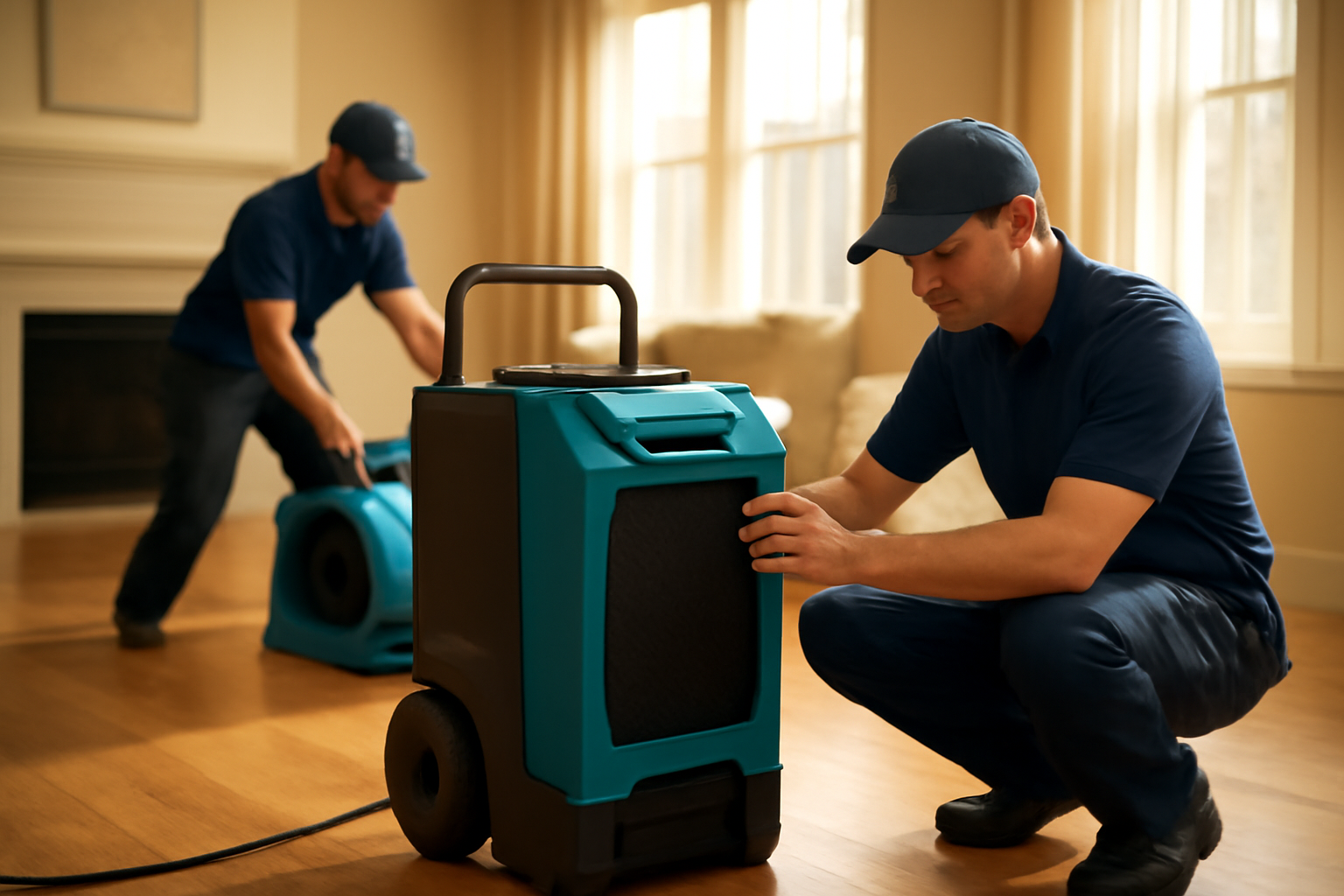
Companies like Eden Prairie Restoration Pros have specialized equipment for water extraction, drying, and dehumidification. They can also handle mold remediation and structural repairs. This ensures the problem is fixed thoroughly and safely. It’s important to call a professional right away when you discover significant water issues.
Preventing Future Problems
Beyond fixing the immediate issue, professionals can advise on preventative measures. This might include installing sump pumps, improving exterior drainage, or sealing foundation cracks. Taking these steps can prevent future water intrusion and protect your investment. Addressing basement flood coverage might also be a consideration for some homeowners, though crawl space issues can be separate. Always check your policy.
Can Insurance Help?
Homeowners insurance policies vary. Some may cover certain types of water damage, especially if it’s from a sudden event like a burst pipe. However, damage from slow leaks, poor maintenance, or groundwater seepage is often excluded. It’s wise to understand your basement flood coverage, as similar principles might apply to crawl spaces. If you’re unsure about insurance for flooding, it’s best to contact your provider directly.
Conclusion
Water in your crawl space is more than just an inconvenience; it’s a potential threat to your home’s structure and your family’s health. From weakening foundations and rotting wood to fostering mold growth and attracting pests, the consequences of neglect can be severe and costly. Identifying the source of the water and addressing it promptly is essential. If you’re facing water issues in your crawl space or suspect potential damage, do not wait to get help. Eden Prairie Restoration Pros is a trusted resource in the community, equipped to handle these complex restoration challenges and help you regain peace of mind in your home.
What are the signs of water damage in a crawl space?
Look for musty odors, visible mold or mildew growth, damp or wet insulation, rust on metal components, water stains on wooden beams, and evidence of pests. Standing water is also a clear indicator.
Can a damp crawl space cause floors to sag?
Yes, absolutely. Persistent moisture can cause the wooden support beams and joists in your crawl space to rot and weaken. This loss of structural integrity can lead to sagging floors above.
How quickly does mold grow in a wet crawl space?
Mold can begin to grow within 24 to 48 hours in a damp environment. The spores are often already present, and moisture provides the conditions they need to colonize and spread rapidly.
Should I seal my crawl space if I have water issues?
Sealing a crawl space (encapsulation) is often recommended, but it’s crucial to address the source of the water first. Encapsulating a wet crawl space without fixing the leak or drainage issue can trap moisture and worsen mold problems. Professional advice is recommended.
What is the difference between a wet basement and a wet crawl space problem?
While both involve unwanted water, a wet basement is a finished or unfinished living/storage area below ground level. A wet crawl space is a shallow, accessible space between the ground and the first floor. Both can lead to structural issues and mold, but the access and repair methods can differ, impacting basement flooding risk or crawl space concerns.