
Trusted by 155+ Homeowners
How Pros Restore Fire-damaged Furniture
- Over 157 5-Star Reviews
- Free Estimates and Quotes
- 100% Satisfaction Guaranteed
- Child, Family & Pet Safe Steps
- 24-Hour Emergency Service
- Fully Licensed & Insured
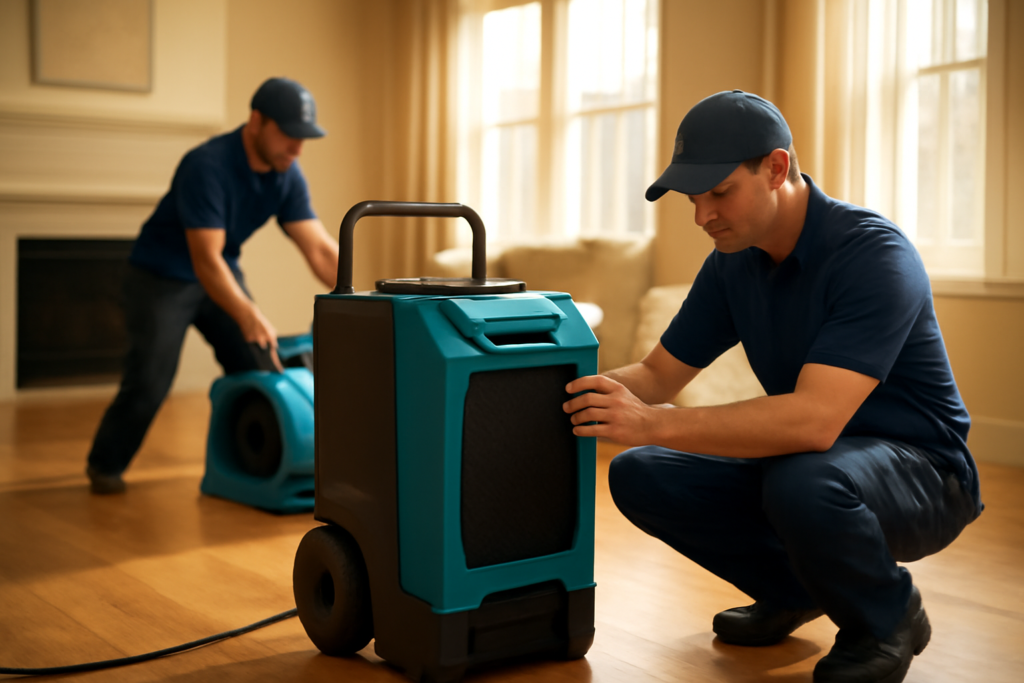
Pros restore fire-damaged furniture by cleaning soot, deodorizing, and repairing structural damage.
They use specialized techniques to salvage items that seem beyond repair.
TL;DR:
- Professional restoration involves careful cleaning of soot and smoke residue.
- Deodorization is key to removing lingering smoky smells.
- Structural repairs are made to damaged wood, upholstery, and finishes.
- Specialized techniques are used for different materials like wood, fabric, and leather.
- Calling professionals quickly after a fire is essential for the best results.
How Pros Restore Fire-Damaged Furniture
When fire strikes your home, the damage can be devastating. Beyond the visible flames, smoke and soot can cling to everything, especially your beloved furniture. You might think a cherished armchair or antique table is a total loss. But before you despair, know that professional restoration can often bring fire-damaged furniture back to life. This process is more than just a quick wipe-down; it’s a detailed, multi-step approach handled by experts.
The Immediate Aftermath: What Happens First?
After the fire is out, the clock starts ticking. Smoke residue is acidic and can continue to damage surfaces if not addressed promptly. Many experts say that acting quickly is crucial. The first step professionals take is a thorough assessment of the damage. This helps them determine the best course of action for each piece of furniture.
Understanding Smoke and Soot Damage
Smoke isn’t just visible particles; it’s a complex mixture of gases and fine particles. These can penetrate porous materials like wood and fabric. Soot can be dry and powdery or wet and sticky, depending on the type of fire. It’s vital to understand that not all soot is the same. Different types require different cleaning agents and methods.
The Cleaning Process: More Than Meets the Eye
Cleaning fire-damaged furniture is a delicate operation. Professionals use specialized equipment and cleaning solutions. They often start with dry cleaning methods to remove loose soot. This might involve special sponges or brushes. Then, wet cleaning methods are employed. This involves carefully applying cleaning agents to break down and lift remaining residue. This step is critical for removing the sticky, oily films left by smoke.
Targeting Different Materials
Restoring different materials requires specific approaches. For wooden furniture, professionals might use gentle solvents or specialized cleaners. They carefully work to remove soot without damaging the finish. Upholstered items, like sofas and chairs, present unique challenges. The fabric can absorb smoke odors and soot deeply. Professionals often use upholstery cleaning machines with specific detergents. For leather, special leather cleaners and conditioners are used to prevent drying and cracking.
Deodorization: Banishing the Lingering Smell
One of the most persistent problems after a fire is the smoky odor. This smell can permeate furniture and be very difficult to remove. Professionals have several methods for deodorization. They might use ozone treatments, which break down odor molecules. Thermal fogging is another technique that releases a deodorizing compound. Effective deodorization is key to making your furniture feel truly clean again.
Why DIY Cleanup Can Be Risky
While you might be tempted to tackle furniture cleaning yourself, it’s often not advisable. DIY fire damage cleanup is dangerous. You could inadvertently spread soot further or damage delicate materials. Without the right tools and knowledge, you might not remove the residue completely. This can lead to permanent staining or odors. It’s why many homeowners choose to schedule a free inspection. Understanding why DIY fire damage cleanup is dangerous can save you time and money in the long run.
Structural Repairs and Refinishing
Sometimes, fire damage goes beyond surface soot. Structural elements of furniture can be weakened or warped by heat. Professionals can perform repairs to reinforce frames or replace damaged components. For wooden furniture, refinishing might be necessary. This involves stripping away damaged layers and applying a new protective finish. This step restores both the appearance and the integrity of the piece. It’s part of the overall fire damage restoration: what happens step by step.
When is Furniture Beyond Repair?
While restoration is often successful, there are times when furniture is too severely damaged. If structural integrity is compromised beyond repair, or if materials have melted or warped significantly, replacement might be the only option. Professionals will give you an honest assessment. They will discuss repair cost estimates and compare them to replacement costs.
Specialized Techniques for Specific Challenges
Restoration specialists employ a range of techniques. Ultrasonic cleaning can be used for intricate items. This uses high-frequency sound waves to dislodge particles. For delicate fabrics, dry-cleaning methods might be preferred. Professionals are trained to identify the best method for each situation. They also know how to handle potential hazards. For instance, they are aware of lead paint risks during fire or water damage repairs.
The Importance of Professional Cleanup
Choosing professional cleanup ensures that the job is done right. Experts have the training and equipment to handle smoke and soot effectively. They understand the chemistry of cleaning and deodorizing. This means they can often achieve results that are impossible with DIY methods. It’s a significant difference compared to trying to manage it alone. Many find that professional cleanup is the smartest investment after a disaster.
A Checklist for Furniture Restoration
When considering furniture restoration after a fire, keep these points in mind:
- Assess the Damage: Get a professional evaluation of your furniture.
- Document Everything: Take photos and videos for insurance purposes.
- Prioritize Items: Decide which pieces are most important to restore.
- Seek Professional Help: Contact a reputable restoration company.
- Understand the Process: Ask questions about cleaning, deodorizing, and repairs.
- Be Patient: Restoration can take time, but the results are often worth it.
Cost Considerations for Restoration
The cost of restoring fire-damaged furniture varies. It depends on the extent of the damage and the type of furniture. Simple cleaning and deodorizing will be less expensive than major structural repairs or refinishing. A detailed restoration cost breakdown will be provided by the professionals. This ensures you know what to expect financially. It is often more cost-effective than replacing valuable or antique pieces.
Conclusion
Fire damage to furniture can seem insurmountable, but professional restoration offers a powerful solution. From meticulous soot removal and deep cleaning to effective deodorization and structural repairs, experts have the knowledge and tools to salvage your cherished items. They work diligently to bring your furniture back to its pre-fire condition. For trusted and expert fire damage restoration services, Eden Prairie Restoration Pros is a resource you can count on. We understand the stress of fire damage and are here to help guide you through the restoration process.
What types of furniture can be restored after a fire?
Most types of furniture can be considered for restoration, including wood, upholstered items, metal, and wicker. The success depends heavily on the severity of the fire damage and the materials involved. Professionals assess each piece individually to determine the best approach.
How long does furniture restoration typically take?
The timeline for furniture restoration varies greatly. Simple cleaning and deodorizing might take a few days. More complex repairs, refinishing, or extensive upholstery work can take several weeks. It depends on the scope of the damage and the availability of specialized materials.
Will my furniture smell like smoke after restoration?
Professionals use advanced deodorization techniques to eliminate smoke odors. While complete odor removal is the goal, residual faint smells can sometimes linger, especially in very porous materials. However, the strong, acrid smell of smoke should be effectively neutralized.
Is it always cheaper to restore furniture than replace it?
Not always, but often it is. The cost-effectiveness depends on the original value and condition of the furniture, the extent of the damage, and the cost of replacement. Professionals can provide estimates to help you make an informed decision. For antique, vintage, or custom-made pieces, restoration is usually the more economical choice.
What should I do immediately after a fire to protect my furniture?
After ensuring your safety and contacting emergency services, try to protect your furniture from further damage if possible. Cover items with clean tarps or plastic sheeting to prevent additional soot or water damage from firefighting efforts. Avoid touching or cleaning surfaces until professionals arrive, as this can sometimes worsen the damage or spread soot.

Levi Lemieux is a licensed Damage Restoration Expert with more than 20 years of hands-on experience in disaster recovery and structural mitigation. As a seasoned industry authority, Levi has dedicated two decades to mastering the technical complexities of environmental safety, providing property owners with the reliable expertise and steady leadership required to navigate high-stress property losses with absolute confidence.
𝗖𝗲𝗿𝘁𝗶𝗳𝗶𝗰𝗮𝘁𝗶𝗼𝗻𝘀: Levi holds elite IICRC credentials, including Water Damage Restoration (WRT), Applied Structural Drying (ASD), Mold Remediation (AMRT), Fire and Smoke Restoration (FSRT), and Odor Control (OCT).
𝗙𝗮𝘃𝗼𝗿𝗶𝘁𝗲 𝗣𝗮𝘀𝘁𝗶𝗺𝗲: When off-site, Levi is a passionate mountain biker and an amateur astronomer, hobbies that reflect the endurance and precision he brings to every restoration project.
𝗕𝗲𝘀𝘁 𝗣𝗮𝗿𝘁 𝗼𝗳 𝘁𝗵𝗲 𝗷𝗼𝗯: He finds the most fulfillment in providing a clear path forward for families, turning a site of devastation back into a safe, comfortable home.