
How Do You Dry Out Water In Walls Without Opening Them?
Trusted by 155+ Homeowners
You can dry out water in walls without opening them using specialized drying equipment and techniques.
This process involves using air movers, dehumidifiers, and sometimes even heat to extract moisture from the wall cavity.
TL;DR:
- Professional drying equipment like air movers and dehumidifiers are key.
- Containment of the wet area is essential.
- Heat can speed up the drying process.
- Monitoring moisture levels is critical.
- When in doubt, call a professional to avoid hidden damage.
How Do You Dry Out Water in Walls Without Opening Them?
Discovering water in your walls can be a stressful experience. You might worry about mold growth and structural damage. The good news is that often, you don’t need to tear down your walls to fix the problem. We found that specialized equipment can often dry out wall cavities effectively.
The Science of Drying Wet Walls
Water trapped within walls creates a breeding ground for mold and can weaken building materials. The goal is to remove this moisture as quickly as possible. We found that the most effective methods focus on evaporation and extraction. This means increasing airflow and reducing humidity.
Understanding Moisture’s Path
Water can seep into walls from various sources. Leaky pipes, roof damage, or even condensation can lead to moisture intrusion. Once inside, it spreads through the insulation and drywall. It can travel up, down, or sideways depending on gravity and material absorption. Understanding this is key to effective drying.
Essential Drying Equipment You Might Not See
When you face water in your walls, you likely won’t see the main work happening. Professionals use tools that are out of sight but highly effective. These are designed to penetrate the wall cavity and pull out moisture. We found that this is a far less invasive approach than demolition.
Air Movers for Enhanced Evaporation
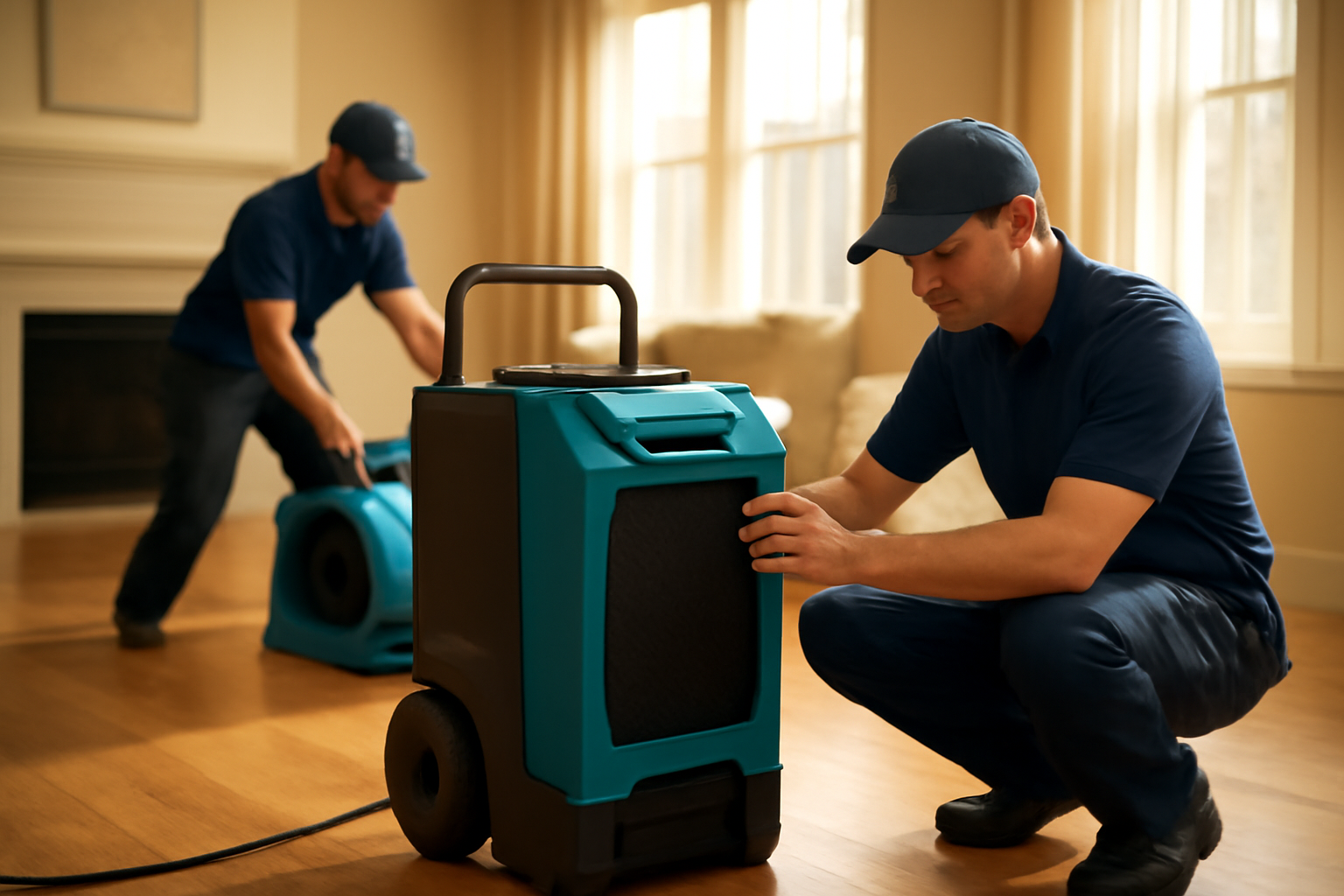
Air movers, also known as high-velocity fans, are crucial. They create a strong airflow across the wet surfaces within the wall cavity. This airflow speeds up the evaporation process. Think of it like blowing on a damp spot to help it dry faster. This is a core part of the damage cleanup steps.
Dehumidifiers to Capture Moisture
While air movers speed up evaporation, dehumidifiers capture the resulting moisture. These machines pull water vapor from the air. This lowers the overall humidity in the affected area. It creates a drier environment that encourages more water to evaporate from the wet materials. This dual approach is vital.
Advanced Techniques for Stubborn Moisture
Sometimes, standard methods need a boost. For deeper or more widespread moisture, professionals have other tricks up their sleeves. These techniques ensure that even hard-to-reach areas are dried thoroughly. We found that ignoring hidden moisture can lead to bigger problems later.
Injectidry Systems and Wall Drying
Specialized systems like Injectidry can be used. Small holes are drilled into the wall. Then, hoses are inserted to blow high-pressure air into the cavity. This forces moist air out and replaces it with dry air. This is a very targeted way to dry out wall cavities. It’s a key part of how professional restoration works.
The Role of Heat in Drying
Applying gentle heat can significantly speed up the drying process. Warmer air can hold more moisture. It also increases the rate of evaporation from wet materials. Professionals might use specialized heaters to raise the temperature in the affected zone. This helps to drive moisture out of the wall structure. It’s a more aggressive approach to drying.
Monitoring is Key: Don’t Guess When It’s Dry
How do you know when the walls are actually dry? You can’t just feel the outside of the drywall. Professionals use moisture meters to get an accurate reading. These tools can measure the moisture content within the wall cavity and materials. This ensures the drying process is complete. We found that this step is often skipped in DIY attempts.
Moisture Meters: Your Silent Detectives
These devices detect moisture levels deep within materials. They can identify pockets of wetness that might otherwise go unnoticed. Consistent monitoring ensures that the drying is effective and complete. This prevents future issues like mold or rot. It’s a critical part of the damage cleanup steps.
When to Call the Pros
While some minor moisture might be manageable, significant water in walls is a serious issue. Trying to dry it yourself without the right equipment and knowledge can be ineffective. It can also lead to secondary damage. We found that DIY attempts often fail to address the root cause.
The Risks of DIY Drying
Attempting to dry wet walls without professional help carries risks. You might not remove all the moisture. This can lead to hidden mold growth, which poses serious health risks. Structural damage can also occur over time if materials remain wet. This is why understanding the professional service costs is important for budgeting.
Why Professional Restoration Wins
A professional restoration company has the specialized equipment and expertise. They can accurately assess the damage. They can implement a targeted drying plan. This ensures your home is dried properly and safely. It saves you time, stress, and potential future expenses. They can provide a more accurate total repair estimate.
A Checklist for Water Intrusion in Walls
If you suspect water in your walls, here’s a quick checklist:
- Identify the source of the water leak.
- Shut off the water supply if possible.
- Remove standing water if visible.
- Document the damage with photos.
- Contact a water damage restoration professional immediately.
- Avoid turning up the heat excessively or using standard fans only.
Table: Drying Methods Compared
| Method | Pros | Cons | When to Use |
|---|---|---|---|
| Air Movers & Dehumidifiers | Effective for widespread moisture, less invasive. | Requires professional equipment, takes time. | Most common scenarios, moderate to significant water. |
| Injectidry Systems | Highly targeted, very effective for cavities. | Requires drilling small holes, specialized equipment. | Deep moisture in wall cavities, persistent wetness. |
| Heat Drying | Speeds up evaporation significantly. | Requires careful temperature control, professional oversight. | When rapid drying is critical, in conjunction with other methods. |
Conclusion
Drying out water in walls without opening them is often achievable with the right approach. It relies on advanced equipment like air movers and dehumidifiers, coupled with careful monitoring. While DIY might seem tempting, the risks of hidden mold and structural damage are significant. For effective and safe drying, especially after a leak, it’s best to call on the expertise of professionals. Eden Prairie Restoration Pros has the tools and knowledge to handle these situations, ensuring your home is restored to its dry, healthy state.
What is the fastest way to dry out a wall?
The fastest way to dry out a wall typically involves a combination of high-velocity air movers to increase evaporation and powerful dehumidifiers to remove the moisture from the air. Professionals may also use controlled heat to accelerate the process, creating an environment where moisture is rapidly drawn out of materials and collected.
Can you fix a wet wall without removing the drywall?
Yes, in many cases, you can fix a wet wall without removing the drywall. Specialized equipment like Injectidry systems can be used to blow dry air directly into the wall cavity through small holes. This targeted approach allows professionals to dry out the insulation and studs effectively while leaving the drywall intact.
How long does it take to dry out a wall after water damage?
The drying time for a wall after water damage can vary greatly. Factors include the extent of the water intrusion, the type of materials involved, and the drying methods used. It can range from a few days to several weeks. Consistent monitoring with moisture meters is essential to determine when the wall is truly dry.
What are the signs of mold behind walls?
Signs of mold behind walls can include a persistent musty odor, discoloration or staining on the drywall, peeling paint, or warping of the wall material. You might also notice increased allergy symptoms or respiratory issues in the affected area. If you suspect mold, it’s important to have it inspected by a professional.
Is it safe to live in a house with wet walls?
It is generally not safe to live in a house with wet walls for an extended period. Wet building materials can quickly develop mold, which can cause serious health problems. Additionally, prolonged moisture can compromise the structural integrity of your home. Addressing the water issue and drying the walls promptly is crucial for health and safety.