Frozen Pipes In Vacation Homes: A Special Risk
Trusted by 155+ Homeowners
Frozen pipes in vacation homes pose a serious risk of water damage and costly repairs.
Understanding these risks and taking preventative measures is key to protecting your property when you’re away.
TL;DR:
- Vacation homes are especially vulnerable to frozen pipes due to extended periods of vacancy and fluctuating temperatures.
- Frozen pipes can burst, causing significant water damage, mold growth, and structural issues.
- Preventative measures include proper insulation, maintaining a consistent temperature, and shutting off water supply when vacant for long periods.
- Regular inspections and prompt attention to potential problems are vital for vacation home owners.
- If a pipe does freeze or burst, professional restoration is needed to mitigate damage and ensure safety.
Frozen Pipes in Vacation Homes: A Special Risk
Your vacation home might be your sanctuary, a place for relaxation and fun. But when it’s empty for weeks or months, it can become a prime target for a common winter hazard: frozen pipes. This isn’t just an inconvenience; it can lead to extensive damage. We found that properties left unoccupied are at a higher risk for water damage. Understanding why and what to do is your first line of defense.
Why Vacation Homes Are More Vulnerable
Several factors make your second home a magnet for frozen pipe issues. The most obvious is lack of regular occupancy. When no one is there to monitor the temperature or notice a problem, pipes are left exposed to the cold. This creates a perfect storm for freezing. Many experts say that unoccupied properties require extra attention during colder months.
The Danger of Unoccupied Spaces
When a vacation home sits empty, the heating system might be set to a lower, energy-saving temperature. While this is smart for utility bills, it can be dangerous for your plumbing. Temperatures inside the home can drop low enough to freeze exposed pipes. This is a connected damage issue that can escalate quickly. We found that even a few degrees difference can matter.
Seasonal Changes and Neglect
Seasonal changes can also play a role. A sudden cold snap can catch homeowners off guard, especially if they’ve already “winterized” the home in their minds. Furthermore, neglect is a major factor. Without regular checks, small issues can become big problems. This is why we recommend owners schedule a free inspection before leaving for extended periods.
The Devastating Consequences of Frozen Pipes
When water freezes inside a pipe, it expands. This expansion puts immense pressure on the pipe walls. Eventually, the pipe can burst. This isn’t a slow leak; it’s often a sudden and dramatic event. The resulting water damage can be overwhelming. Research shows that water damage can spread rapidly. It affects walls, ceilings, floors, and belongings.
Beyond Water Damage: Mold and Rot
A burst pipe is just the beginning. The standing water creates an ideal environment for mold and mildew to grow. We found that mold can start to form within 24-48 hours. This can lead to serious health risks for anyone who later uses the home. Rotting wood and structural damage can also occur, weakening the very fabric of your home. Addressing mold promptly is an important consideration.
The Financial Toll
Repairing burst pipes is one thing, but the cost of water damage remediation, mold removal, and structural repairs can be astronomical. Insurance deductibles can be high, and some types of damage might not be fully covered. It’s a financial burden that no homeowner wants to face. Many experts suggest that addressing potential issues early saves money in the long run.
Preventing Frozen Pipes in Your Vacation Home
The good news is that you can take steps to prevent frozen pipes. Prevention is always better than cure, especially for a property you don’t visit daily. We found that consistent temperature control is key. Even a small amount of heat can make a big difference in protecting your plumbing.
Maintain a Minimum Temperature
Even when the home is vacant, keep the thermostat set to at least 55°F (13°C). This might seem like a waste of energy, but it’s far cheaper than repairing a burst pipe. Smart thermostats allow you to monitor and adjust the temperature remotely. This provides peace of mind while you’re away. It’s a simple step with a big impact.
Insulate Vulnerable Areas
Pipes in unheated areas like crawl spaces, attics, garages, or basements are most at risk. Use foam pipe sleeves or fiberglass insulation to protect them. Weather-stripping doors and windows also helps keep cold air out. Proper insulation is a key related factor in preventing freezing. We found that even a little insulation can go a long way.
Disconnect and Drain Hoses
Outdoor hoses can freeze and cause damage to both the hose and the faucet. Disconnect them and store them indoors. Open the faucet to allow any remaining water to drain. This simple act prevents a connected damage issue from starting outside your home. It’s a quick task that saves headaches.
Consider Water Shut-Off for Long Absences
If you plan to be away for an extended period, especially during the coldest months, consider shutting off the main water supply. You’ll then need to drain the pipes by opening all faucets and flushing toilets. This method removes the water entirely, eliminating the risk of freezing. Some homeowners also use air compressors to blow out the lines. This is a freeze prevention steps that offers maximum protection.
What to Do If Pipes Freeze or Burst
Despite your best efforts, sometimes pipes still freeze or burst. If you suspect a frozen pipe, try to warm it gently with a hairdryer or heating pad. Never use an open flame. If a pipe has burst, turn off the main water supply immediately. This is the most critical step to stop further damage.
Call Professionals Right Away
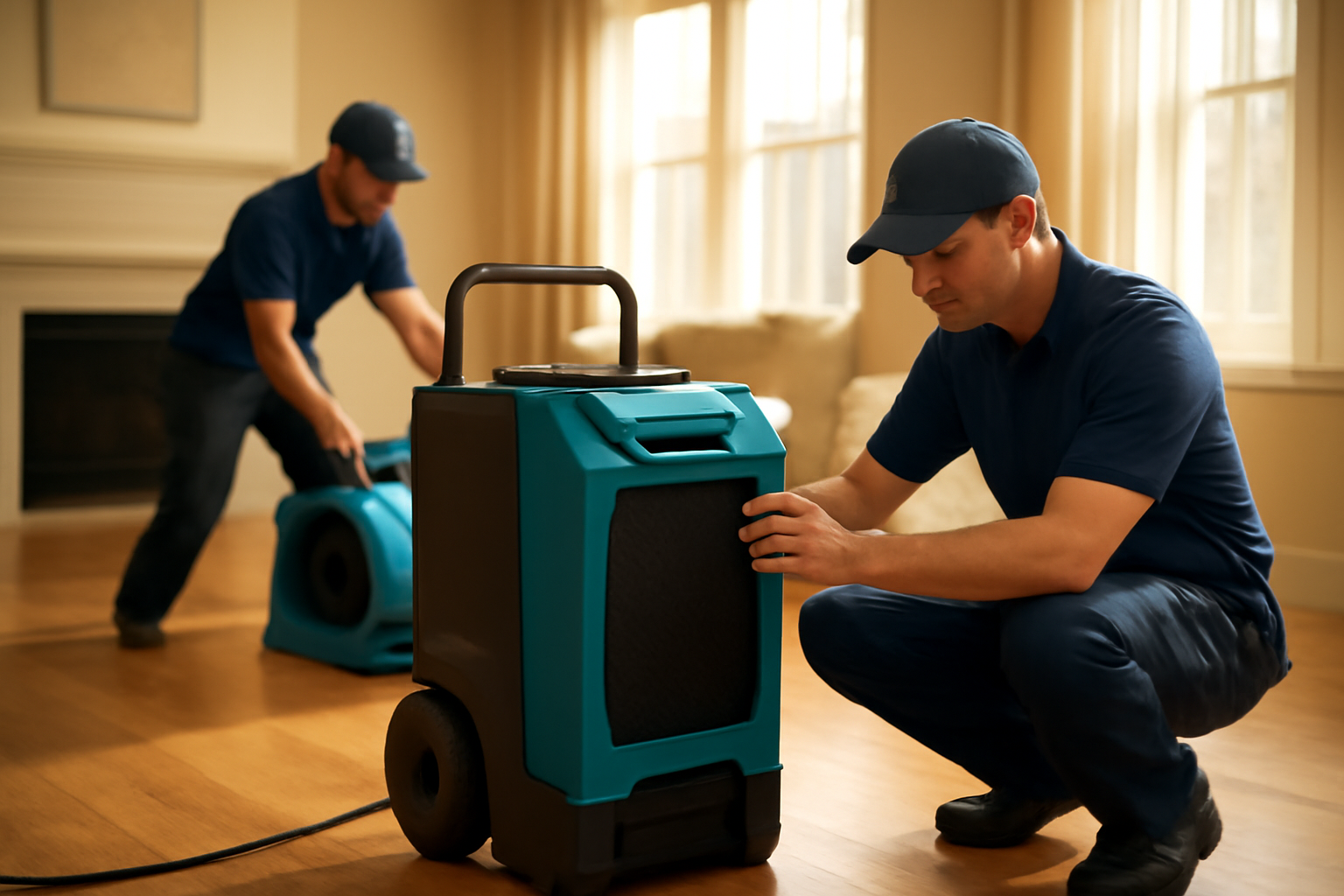
Do not wait to get help. Once the water is off, you need to contact a professional restoration company. They have the expertise and equipment to handle the situation safely and efficiently. We found that prompt professional intervention is crucial for minimizing damage and preventing secondary issues like mold. They can assess the extent of the damage and begin the drying and restoration process.
Assessing the Damage
A restoration team will inspect for water damage, check for mold, and determine the structural integrity of your home. They will use specialized equipment to dry out affected areas thoroughly. This prevents long-term problems. Dealing with waterborne illness risk is also a priority. We found that professional drying can prevent contamination health risks.
Regular Inspections Are Your Best Friend
For vacation homes, regular check-ins are essential. If you can’t visit in person, hire a trusted local individual or service to perform periodic inspections. They can look for signs of trouble, such as strange noises, damp spots, or unusual smells. Early detection is often the easiest way to prevent major damage. This diligence can save you from a disaster.
Don’t Forget Sewer Lines
While frozen pipes are a concern, remember that sewer lines can also be affected by freezing temperatures. A frozen sewer line can lead to backups. These can be messy and pose serious health risks. We found that understanding spring sewer backup risks and how to prepare is also important for homeowners. Regular pipe maintenance tips can help prevent these issues.
Hidden Leaks Are a Threat Too
Even when pipes aren’t frozen, hidden leaks can cause significant damage over time. These can occur in walls, under floors, or behind appliances. They might not be immediately obvious. A slow leak can lead to rot and mold. Research shows that hidden plumbing leaks are a common cause of extensive water damage. Addressing these can prevent a waterborne illness risk.
Commercial Kitchens and Sewage
It’s worth noting that sewage backups, whether from frozen lines or other issues, can have severe consequences, especially in commercial settings. In commercial kitchens, a sewage backup can lead to immediate closure due to health code violations. These related damage issues highlight the importance of robust plumbing systems. Learn more here about the impact.
Conclusion
Frozen pipes in vacation homes are a genuine threat, but one that can be managed with awareness and action. By understanding the risks of frozen pipes in vacation homes, maintaining your property, and acting quickly if a problem arises, you can protect your investment. Eden Prairie Restoration Pros is here to help you navigate the aftermath of water damage and restore your peace of mind.
What is the ideal temperature to keep my vacation home at in winter?
We recommend setting your thermostat to at least 55°F (13°C) to prevent pipes from freezing. If you’re going to be away for a very long time, you might consider shutting off the main water supply entirely.
How can I check if my pipes are frozen without turning on the water?
Look for frost on exposed pipes, or notice that faucets are not producing water when turned on. Sometimes, you might hear unusual noises coming from your pipes before they freeze or burst.
What if I can’t get to my vacation home immediately after a pipe bursts?
If you cannot get there yourself, call a trusted neighbor or a local property management service to shut off the main water supply for you. Then, contact a professional restoration company immediately.
Can a frozen pipe cause mold?
Yes, absolutely. When a frozen pipe bursts, it releases water that can lead to mold growth within 24-48 hours if not properly dried. This is one of the contamination health risks associated with water damage.
Are there specific types of pipes more prone to freezing?
Yes, pipes located in unheated areas like basements, attics, garages, and crawl spaces are at the highest risk. Thin-walled pipes or those made of certain materials can also be more susceptible than others.