
Trusted by 155+ Homeowners
Flood Water Contamination: What’s Really In It?
- Over 157 5-Star Reviews
- Free Estimates and Quotes
- 100% Satisfaction Guaranteed
- Child, Family & Pet Safe Steps
- 24-Hour Emergency Service
- Fully Licensed & Insured
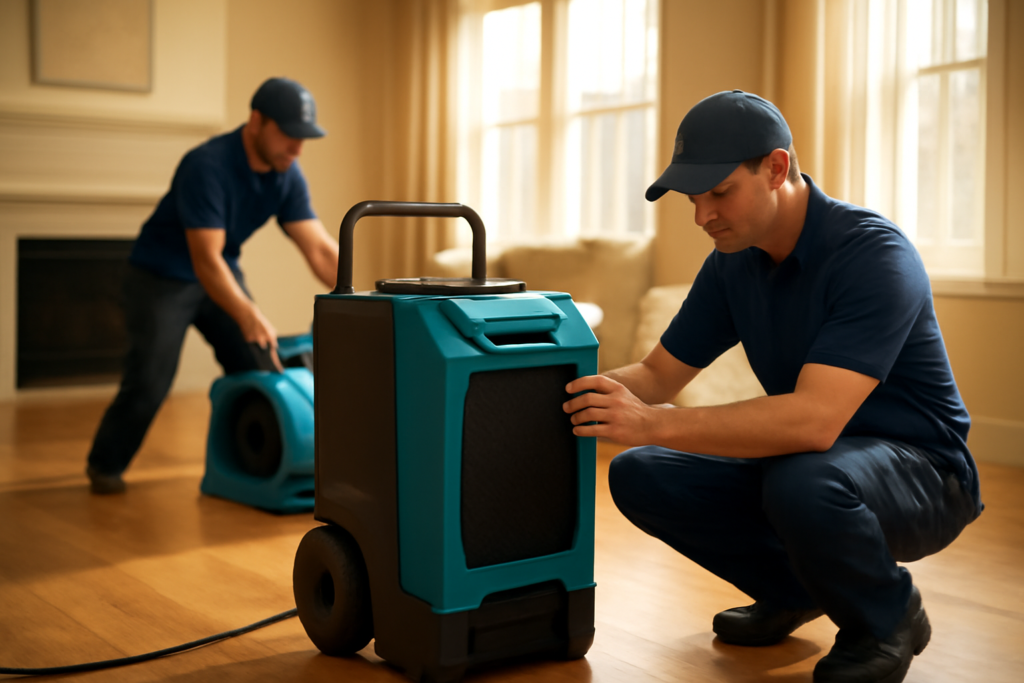
Flood water contamination can be a serious concern, making your property unsafe and posing health risks.
Understanding what’s really in flood water is key to knowing how to protect yourself and your home from its dangers.
TL;DR:
- Flood water is rarely just water; it contains dangerous contaminants like bacteria, chemicals, and sewage.
- Exposure can lead to immediate health issues and long-term problems if not handled properly.
- Identifying the type of flood water (clear, gray, or black) is crucial for safety.
- Professional restoration is vital for thorough cleaning and disinfection to prevent further damage and health risks.
- Taking immediate action and seeking expert help is the best way to manage flood water contamination.
Flood Water Contamination: What’s Really in It?
When flood waters rise, it’s easy to think of it as just a lot of water. But this water is often far from clean. It can carry a cocktail of harmful substances. These contaminants pose a real threat to your health and your home’s structure. You need to know what you’re dealing with to stay safe.
The Hidden Dangers in Flood Water
Imagine water flowing through your town. It picks up everything in its path. This includes things like oil from roads, pesticides from lawns, and debris from overflowing dumpsters. It’s a messy mix. This contaminated water can seep into your home, bringing all these dangers with it. This is why understanding the risks of water intrusion is so important.
Categorizing Flood Water: A Matter of Safety
Water damage experts categorize flood water into three main types. This helps assess the level of contamination and the required cleanup. It’s a critical first step in addressing the problem.
Category 1: Clear Water. This is water from a source like a broken pipe or a sink overflow. It’s generally considered clean initially. However, it can quickly become contaminated if it sits and stagnant.
Category 2: Gray Water. This water has some level of contamination. It might come from a toilet overflow (not from the bowl), a washing machine, or a dishwasher. It contains impurities that can cause illness. There are serious health risks associated with this type of water.
Category 3: Black Water. This is the most dangerous type. It is grossly contaminated. It can originate from sewage backups, floods from rivers or streams, or toilet overflows from the bowl. Black water contains pathogens, bacteria, and viruses. It requires immediate and professional attention.
Common Contaminants Found in Flood Water
No matter the category, flood water can contain a host of nasty things. Being aware of these can help you appreciate why professional help is so necessary. It’s not just about drying things out; it’s about making your home safe again.
Bacteria and Viruses. Flood water often picks up E. coli, Salmonella, and other harmful microorganisms. These come from sewage, animal waste, and decaying organic matter. Contact can lead to infections and severe gastrointestinal issues. You must avoid direct contact with flood water whenever possible.
Chemicals and Toxins. Runoff from streets and industrial areas can mix into flood waters. This can include gasoline, cleaning agents, pesticides, and heavy metals. These chemicals can be toxic if ingested or even through skin contact. They can also damage your home’s materials.
Mold and Mildew Spores. Damp environments are breeding grounds for mold. Flood water creates the perfect conditions for mold to grow rapidly. Mold spores can cause respiratory problems and allergic reactions. This is a major concern for long-term health. It’s why a quick response to interior water damage is so vital.
Sewage and Debris. In cases of black water, sewage is a primary contaminant. This is extremely hazardous. It also includes all sorts of physical debris, from bits of garbage to dead animals. Removing this safely is a job for trained professionals.
The Health Impacts of Contaminated Flood Water
Exposure to contaminated flood water is not something to take lightly. The immediate effects can be unpleasant. The long-term consequences can be even more serious. It’s a situation where you should call a professional right away.
Skin Infections and Rashes. Direct contact can cause rashes, itching, and infections on your skin. Open cuts or sores are particularly vulnerable. Even seemingly minor contact can lead to problems.
Gastrointestinal Illnesses. Ingesting contaminated water, even in small amounts, can cause severe stomach upset. Symptoms include nausea, vomiting, diarrhea, and fever. This is common from bacteria like E. coli.
Respiratory Problems. Breathing in mold spores or aerosolized contaminants can trigger asthma attacks. It can also lead to new respiratory issues or worsen existing conditions. This is a risk long after the water has receded.
Long-Term Health Issues. Repeated exposure to certain chemicals or persistent mold growth can lead to chronic health problems. These might include allergies, asthma, and other sensitivities. Addressing the contamination thoroughly is key to preventing these. You don’t want to deal with lingering issues from water intrusion risks.
Why Professional Restoration is Crucial
Cleaning up flood water contamination is not a DIY job. The risks are too high. Professionals have the training, equipment, and protective gear needed. They know how to handle hazardous materials safely. They can ensure your home is not only dry but also truly clean and disinfected.
Assessing the Damage Accurately. Pros can identify the extent of contamination. They know where to look for hidden moisture. This is important for areas like your basement or crawl spaces. They can also assess structural damage that might not be obvious.
Safe Removal of Contaminants. They use specialized equipment to remove contaminated water and debris. This includes pumps, vacuums, and containment systems. Personal protective equipment (PPE) is essential. This protects them from exposure to harmful substances.
Thorough Cleaning and Disinfection. Simply drying out a space isn’t enough. Professionals use industrial-grade disinfectants and antimicrobial treatments. These kill bacteria, viruses, and mold spores. This step is critical for preventing future health problems and mold growth. It ensures that the interior water damage is fully remediated.
Effective Drying and Dehumidification. Proper drying is essential to prevent secondary damage like mold. Professionals use powerful air movers and dehumidifiers. They monitor humidity levels closely. They know how long does it take to dry out a flooded room and how to achieve it safely.
Preventing Future Issues. Experts can also advise on measures to prevent future flooding. This might include checking your home’s drainage systems. They can help you understand how to maintain your property. For example, ensuring proper function of gutters and downspouts. This can help mitigate risks like those addressed in topics about downspout extensions: do they really prevent flooding.
What You Can Do Immediately (Safely)
While waiting for professionals, there are a few things you can do. Always prioritize your safety. Wear protective gear if you must enter a flooded area. Avoid touching flood water directly. If your garage is affected, remember that it has its own set of risks. Learn more about garage water damage: flooding leaks and prevention.
Document the Damage. Take photos or videos of the affected areas. This is helpful for insurance claims. It also helps restoration professionals understand the scope.
Turn Off Utilities. If it’s safe to do so, turn off electricity and gas to the flooded areas. Water and electricity are a dangerous combination. Water and gas can lead to explosions or fires.
Remove Standing Water (If Safe). If the water is Category 1 and shallow, you might be able to remove some of it with buckets. However, never attempt this with gray or black water. It’s too risky and you could be exposed to dangerous contaminants. You need to act before it gets worse.
Ventilate the Area. Open windows and doors if weather permits. This helps start the drying process and reduce humidity. However, be cautious if the outdoor air is also contaminated.
Identify the Water Source. Knowing if the flood was caused by a storm, a burst pipe, or a sewage issue helps professionals. It also helps in understanding the potential contaminants. For instance, winter storms can bring unique challenges like those from winter water damage: ice dams and pipe bursts.
The Importance of a Swift Response
Time is critical when dealing with flood water contamination. The longer contaminated water sits, the more damage it causes. Mold can start growing in as little as 24-48 hours. Structural materials can weaken. Health risks increase dramatically. You must not wait to get help.
The process of drying out a flooded home is complex. It involves more than just mopping up. Professionals use advanced techniques to ensure every trace of moisture is removed. Understanding how pros dry out a flooded home: step by step can give you peace of mind that the job is done right.
Here is a quick look at what happens:
| Stage | Key Actions | Purpose |
|---|---|---|
| Initial Assessment | Inspection, moisture readings, safety protocols | Determine scope and type of damage |
| Water Removal | Pumping, extraction, dehumidification | Remove standing water and excess moisture |
| Drying | Air movers, dehumidifiers, heat systems | Dry structural materials and air |
| Sanitizing | Antimicrobial treatments, ozone, fogging | Kill mold, bacteria, and neutralize odors |
| Restoration | Repairing/replacing damaged materials | Return property to pre-loss condition |
This systematic approach ensures that all aspects of the contamination are addressed. It’s about restoring your home and your health. You need to get expert advice today.
A checklist for immediate concerns:
- Is the power to the affected area shut off?
- Are there any signs of structural damage?
- Has the water source been identified and stopped?
- Are there any vulnerable individuals or pets in the home?
- Have you contacted a professional restoration service?
Conclusion
Flood water contamination is a serious issue that carries significant health and safety risks. What might look like simple water can quickly become a breeding ground for bacteria, viruses, and mold, mixed with harmful chemicals and debris. Recognizing the different categories of flood water and understanding the potential contaminants is the first step toward protecting yourself and your property. The most effective and safest way to deal with flood water contamination is to trust the experts. At Eden Prairie Restoration Pros, we understand the urgency and the dangers involved. We are equipped to handle all types of water damage, ensuring a thorough and safe restoration process for your home.
What are the immediate health symptoms I might experience from flood water exposure?
You might experience skin irritation, rashes, or itching from direct contact. Ingesting contaminated water can lead to nausea, vomiting, diarrhea, fever, and other gastrointestinal issues. Breathing in mold spores or contaminated air can cause respiratory problems, coughing, or shortness of breath.
How quickly can mold start growing after a flood?
Mold can begin to grow on damp surfaces within 24 to 48 hours after a flood. The longer moisture remains, the more widespread mold contamination can become, posing additional health risks and making restoration more challenging.
Can I clean up flood water contamination myself?
While some minor cleanup of clear water might be possible, cleaning contaminated flood water (gray or black water) yourself is highly discouraged. The risk of exposure to dangerous pathogens and chemicals is significant. Professional restoration services have the specialized equipment and protective gear needed for safe and effective cleanup.
What is the difference between gray water and black water?
Gray water is considered to have some level of contamination and may cause illness. It typically comes from sources like washing machines, dishwashers, or toilet overflows that don’t involve the bowl. Black water is grossly contaminated and unsanitary, originating from sewage backups or flooding from rivers and streams, and poses the most significant health hazard.
How can I prevent future flood water contamination?
Preventative measures include maintaining your home’s foundation and drainage systems, ensuring downspouts direct water away from your house, sealing any cracks in your foundation, and considering sump pumps for basements prone to flooding. Regular property maintenance is key to mitigating risks.

Levi Lemieux is a licensed Damage Restoration Expert with more than 20 years of hands-on experience in disaster recovery and structural mitigation. As a seasoned industry authority, Levi has dedicated two decades to mastering the technical complexities of environmental safety, providing property owners with the reliable expertise and steady leadership required to navigate high-stress property losses with absolute confidence.
𝗖𝗲𝗿𝘁𝗶𝗳𝗶𝗰𝗮𝘁𝗶𝗼𝗻𝘀: Levi holds elite IICRC credentials, including Water Damage Restoration (WRT), Applied Structural Drying (ASD), Mold Remediation (AMRT), Fire and Smoke Restoration (FSRT), and Odor Control (OCT).
𝗙𝗮𝘃𝗼𝗿𝗶𝘁𝗲 𝗣𝗮𝘀𝘁𝗶𝗺𝗲: When off-site, Levi is a passionate mountain biker and an amateur astronomer, hobbies that reflect the endurance and precision he brings to every restoration project.
𝗕𝗲𝘀𝘁 𝗣𝗮𝗿𝘁 𝗼𝗳 𝘁𝗵𝗲 𝗷𝗼𝗯: He finds the most fulfillment in providing a clear path forward for families, turning a site of devastation back into a safe, comfortable home.