ZIP 55117 · Little Canada, MN · Ramsey County
Emergency Damage Restoration in 55117Firefighting Water Cleanup & Emergency Water Extraction
Emergency Damage Restoration in Little Canada includes storm damage repair, sewage backup cleanup and emergency water removal, day or night.
Answered 24/7
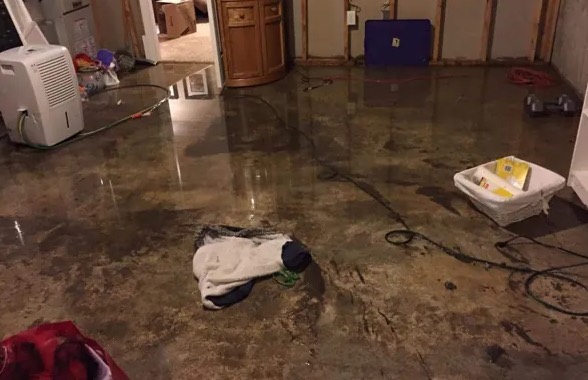
Around-the-Clock Emergency Damage Restoration in 55117
Emergency Damage Restoration in Little Canada is about limiting damage. Every step, from shutting off water to placing dehumidifiers, aims to keep the loss smaller than it would be if left alone.
In Little Canada, Vadnais Heights, Maplewood and Roseville, water left after firefighting can damage rooms the fire never reached. The pros extract that water and dry those rooms.
Emergency Damage Restoration Services in 55117
Firefighting Water Cleanup
After a fire, firefighting water soaks ceilings, walls and floors well beyond the burned area. That water is extracted and those rooms are dried.
Emergency Water Extraction
When water is spreading, pumps and extractors go in as soon as the source is shut off, pulling water from floors, carpet and low spots first.
Structural Drying Services
Equipment is moved each day based on readings, keeping drying focused on the areas that are still wet.
Mold Remediation Services
Drying quickly after any water loss is the main way to keep mold from starting in walls and floors.
Storm Damage Repair
Storm damage is photographed before and during cleanup, which helps with the insurance claim and repair planning.
Signs That Require Emergency Restoration in 55117
Unexplained Spike in Water Bills
A sudden jump in the water bill with no change in use can point to a hidden leak.
Damaged or Saturated Possessions
Wet furniture, rugs, papers and belongings need to be moved out of the water and dried or listed.
Sewage Backup in Drains or Toilets
Sewage coming up through drains or toilets is a health hazard that needs protective cleanup right away.
Peeling Paint or Blistering Wallpaper
Paint that peels or wallpaper that blisters usually has water behind it.
How Emergency Damage Restoration Works in 55117
Step 1: Damage Containment
The water is stopped, wet areas are closed off and belongings are moved out of the way.
Step 2: Water Extraction Process
Water is extracted from carpet, hard floors and low spots across every affected room.
Step 3: Structural Drying
Wall cavities and subfloors get directed airflow until readings match dry areas.
Step 4: Restoration and Repair Planning
A list of removed materials and needed repairs is prepared for you and your contractor.
Common Causes of Water Damage in 55117
Foundation Cracks and Seepage
Foundation cracks let groundwater seep into lower levels and finished rooms after heavy rain.
Burst or Leaking Pipes
Pipes can crack or burst from age, pressure or cold weather, releasing water quickly.
Chronic Moisture and Condensation
Ongoing condensation and humidity slowly damage walls, ceilings and framing over time.
HVAC System Condensate Issues
Clogged AC condensate drains overflow into closets, attics and the ceilings of the rooms below.
Complete Emergency Damage Restoration for Any Property in 55117
Residential Emergency Damage Restoration
In homes, emergencies usually start with a burst pipe, a storm leak or a sewer backup. Water is extracted, belongings protected and the house dried so the family can return to normal.
Commercial Emergency Damage Restoration
In businesses, water emergencies can close the doors. Extraction and drying are planned to reopen parts of the space as soon as it is safe.
Professional Emergency Damage Restoration or DIY Repair in 55117
A small spill on a hard floor can be mopped and dried with a fan. Water in carpet pad, walls or subfloors needs extraction and drying equipment.
Estimating Your Emergency Damage Restoration Investment in 55117
Repairs to drywall, flooring and roofs are separate from emergency cleanup. In Little Canada, they follow once the structure is dry.
Equipment Needs
The number of pumps, extractors, air movers and dehumidifiers needed affects the total cost.
Access Complexity
Multi-story buildings, crawl spaces and attics take more time to reach and work in.
Duration of Work
Drying often takes several days, and night or holiday calls can cost more than scheduled visits.
Does Insurance Cover Emergency Damage Restoration?
Coverage for emergency damage restoration depends on the cause and your policy. The pros document the damage and drying, and your insurer decides what is covered.
The Value of Local Pros for Emergency Damage Restoration in 55117
Damage Assessment
The whole affected area is checked, including rooms next to and below the source.
Step by Step
Work follows a set order: stop the water, extract, remove what cannot be saved, dry and confirm.
Detailed Damage Documentation
Photos, readings and drying logs are kept from the first visit to support your insurance claim.
Around-the-Clock Help for Emergency Damage Restoration in 55117
Water emergency in Little Canada? Shut off the source, turn off power to wet areas if safe and call (952) 392-4418. Help is available 24/7.
Call Now (952) 392-4418Emergency Damage Restoration Near 55117: Areas Served
Help with emergency damage restoration is also available in communities near Little Canada, including Vadnais Heights, Maplewood and Roseville, for burst pipes, storms, floods and backups.
Frequently Asked Questions About Emergency Damage Restoration
What happens to water damage after a fire?
Firefighting water is extracted, soaked materials are removed and the rooms around the fire are dried.
What makes a water damage situation an emergency?
Water that is still spreading, sewage, sagging ceilings, water near electrical systems or flooding in several rooms.
What steps follow the water removal after a fire?
Wet debris is removed, the structure is dried and readings confirm the rooms are ready for repair.
What is the goal of disaster recovery after water damage?
To remove water, dry the structure and leave the property ready for repairs without hidden moisture.
What is a tarp used for after storm damage?
Covering roof openings or broken windows to keep more rain out while the inside is extracted and dried.