
Can Soot Make You Sick Even After The Fire Is Out?
Trusted by 155+ Homeowners
Yes, soot can make you sick even after the fire is out.
Soot particles are tiny and can remain airborne, posing health risks long after the flames are extinguished.
TL;DR:
- Soot is a byproduct of burning that contains toxic chemicals.
- These particles can stay in the air and settle on surfaces, causing ongoing health issues.
- Exposure can lead to respiratory problems, skin irritation, and other serious health effects.
- Proper cleanup by professionals is essential to remove soot and its hazards.
- Don’t underestimate the lingering dangers of soot; address them promptly.
Can Soot Make You Sick Even After the Fire Is Out?
It’s a question many homeowners ask after a fire: once the smoke clears, are we safe? Unfortunately, the answer is often no. Soot is more than just messy black dust. It’s a complex mixture of ash and toxic chemicals. Even after firefighters leave, these microscopic particles can linger in your home. They pose ongoing health risks that you must understand to protect yourself and your family.
The Invisible Threat: What is Soot?
When materials burn, they don’t always combust completely. Incomplete combustion produces soot. This fine particulate matter is a cocktail of unburned carbon. It also carries harmful chemicals released from the burning items. Think of it like the exhaust from a car, but much more potent and dangerous. These tiny particles are easily inhaled.
Understanding Combustion Byproducts
Different materials release different toxins when they burn. Plastics, synthetic fabrics, and treated woods are particularly nasty. They can release chemicals like benzene, formaldehyde, and dioxins. These are known carcinogens and irritants. Soot acts as a carrier for these dangerous substances. It spreads them throughout your home.
How Soot Affects Your Health
Exposure to soot can cause a range of health problems. The severity often depends on the duration and level of exposure. Even short-term contact can trigger issues. Long-term exposure can lead to more chronic conditions. It’s a silent danger that requires serious attention.
Respiratory Issues from Soot Inhalation
The most common health effects involve your lungs and breathing. Inhaling soot particles can irritate your airways. This can lead to coughing, wheezing, and shortness of breath. For people with asthma or other respiratory conditions, this can be extremely dangerous. You might experience symptoms similar to a severe cold or flu. These symptoms can worsen over time if the soot isn’t removed.
Skin and Eye Irritation
Soot doesn’t just affect your lungs. It can also irritate your skin and eyes. Direct contact can cause redness, itching, and rashes. If soot gets into your eyes, it can cause stinging and watering. This is why wearing protective gear during cleanup is so important. Even after the fire, touching contaminated surfaces can lead to skin issues.
Lingering Dangers: Why Soot Persists
Fires create a mess that goes beyond visible charring. Soot particles are incredibly small. They can travel through your HVAC system. They can embed themselves into carpets, upholstery, and even drywall. This makes them difficult to remove without specialized equipment. They can remain airborne for days or weeks.
The Spread of Contamination
Fire restoration professionals know that soot spreads widely. It doesn’t just stay in the room where the fire occurred. It can travel through vents and doorways. This means a small fire can contaminate your entire house. This widespread contamination increases the risk of toxic exposure risks to everyone in the home.
HVAC Systems as Soot Highways
Your heating and cooling system can be a major culprit in spreading soot. When the system runs, it can pick up soot particles. It then distributes them to every room. This is why it’s often recommended to avoid running your HVAC system until it has been professionally cleaned. This prevents further contamination and potential post-fire health hazards.
When Does Soot Pose the Greatest Risk?
The risk from soot is highest in the immediate aftermath of a fire. However, it doesn’t disappear quickly. If the soot isn’t properly cleaned, the danger persists. This is especially true in homes with poor ventilation. Settled soot can be stirred up by daily activities. This can reintroduce it into the air you breathe.
Different Types of Soot and Their Dangers
There are two main types of soot: wet and dry. Wet soot is sticky and tar-like. Dry soot is powdery and easily dispersed. Both types are hazardous. Understanding the type of soot can help in the cleanup process. But both carry the same underlying risks from the chemicals they contain. Research shows that the toxic chemicals released by house fires can have long-term health impacts.
The Importance of Professional Cleanup
Attempting to clean up soot yourself can be ineffective and dangerous. Standard cleaning methods often just spread the soot around. Professional restoration companies have the right tools and expertise. They can safely remove soot and its associated hazards. This is a critical step in making your home safe again. It’s vital to understand the fire restoration steps involved.
Specialized Equipment and Techniques
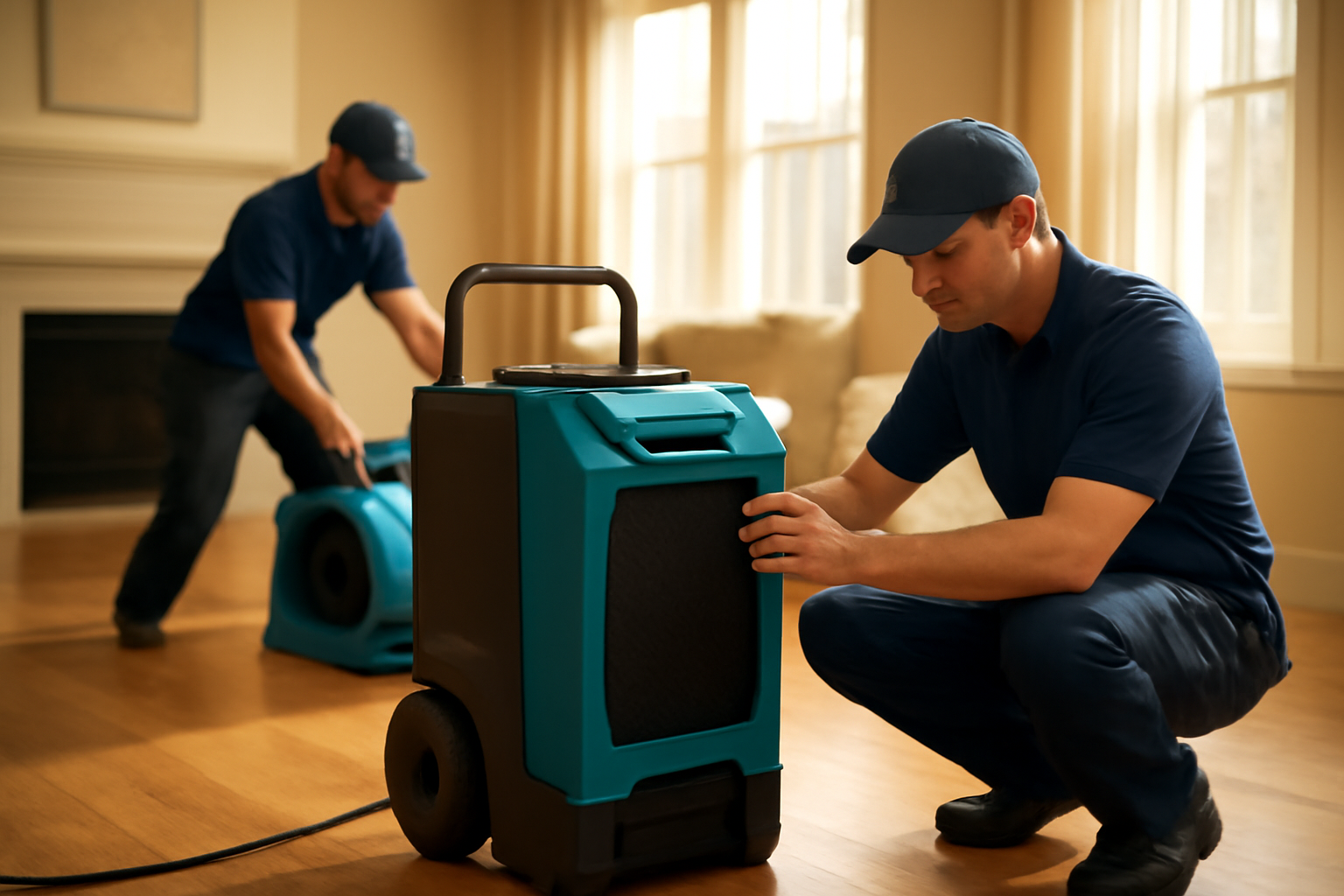
Restoration professionals use specialized vacuums with HEPA filters. They use chemical cleaning agents designed for soot removal. They also employ air scrubbers to remove particles from the air. This multi-step process is essential for complete removal. It helps mitigate the post-fire health hazards you might face.
Here’s a quick look at common fire restoration steps:
| Step | Description | Importance |
|---|---|---|
| Inspection | Assess the damage and identify all affected areas. | Crucial for planning the restoration process. |
| Safety | Ensure the structure is safe and contain the damage. | Prevents further harm and contamination spread. |
| Soot Removal | Dry and wet soot cleaning using specialized methods. | Removes the primary source of health risks. |
| Odor Control | Eliminate smoke odors using advanced techniques. | Restores a fresh and healthy living environment. |
| Reconstruction | Repair and rebuild damaged areas. | Brings the property back to its pre-fire condition. |
Protecting Your Family from Soot Exposure
After a fire, your priority is your family’s health. Don’t delay in addressing soot contamination. Even if the fire damage appears minor, soot can be a hidden danger. Taking immediate action can prevent long-term health consequences. It’s about ensuring a safe and healthy home environment.
When to Call for Professional Help
If you see any signs of soot, it’s time to call a professional. This includes walls, ceilings, furniture, or belongings covered in black residue. Don’t wait to get help. The sooner professionals assess the damage, the better. They can provide an estimate and explain the necessary professional cleanup process.
Common Fire Scenarios and Soot Risks
Different types of fires can lead to varying levels of soot contamination. Understanding these scenarios can help you be more vigilant. For example, a grease fire in the kitchen or a fire in the garage presents unique challenges.
Kitchen Fires and Soot
Kitchen fires, especially grease fires, produce a particularly sticky and acrid soot. This type of soot can be very difficult to remove. It can quickly penetrate surfaces. The toxic exposure risks from kitchen fires can be high due to the variety of materials burned.
Garage Fires and Their Aftermath
Garage fires often involve flammable liquids, paints, and vehicles. This means the soot produced can be highly toxic. The damage can be extensive. Proper assessment and cleanup are vital after a garage fire damage event. You need to understand the risks involved.
When dealing with any fire aftermath, consider these points:
- Ventilate the area safely if possible.
- Avoid touching soot-covered surfaces without protection.
- Do not try to clean soot with regular household cleaners.
- Keep children and pets away from contaminated areas.
- Contact a professional restoration service immediately.
Can Soot Cause Long-Term Health Problems?
Yes, research shows that prolonged exposure to soot and the chemicals it carries can lead to chronic health issues. These can include respiratory diseases, allergies, and even certain types of cancer. This is why prompt and thorough cleanup is so important. It’s not just about aesthetics; it’s about preventing serious health risks.
Conclusion
The lingering presence of soot after a fire is a serious concern. It can continue to affect your health long after the flames are gone. Understanding the risks associated with soot inhalation and contact is the first step. The most effective way to ensure your home is safe is to hire professionals. Eden Prairie Restoration Pros has the expertise and equipment to handle soot damage. We help restore your home and protect your family’s well-being. We are committed to providing expert advice today for your peace of mind.
How long does soot stay in the air after a fire?
Soot particles can remain airborne for days or even weeks after a fire. This depends on ventilation and whether air purification systems are running. Without professional intervention, they can continue to circulate and settle, posing ongoing risks.
What are the first signs of soot exposure sickness?
Early signs of soot exposure can mimic common illnesses. You might experience a persistent cough, sore throat, watery eyes, skin irritation, or shortness of breath. These symptoms should not be ignored, especially if you’ve recently experienced a fire.
Can I clean soot myself?
While you can do some superficial dusting, deep soot cleaning is best left to professionals. Using the wrong methods can spread soot further or damage surfaces. Professionals have the specialized tools and cleaning agents needed for effective removal and to mitigate toxic exposure risks.
Is soot from a small fire still dangerous?
Yes, even soot from a small fire can be dangerous. The concentration of toxins might be lower, but the particles are still harmful. Small fires can also spread soot more widely than expected through HVAC systems. It is always best to assume it poses a risk.
What is the best way to remove soot smell?
Removing soot smell requires more than just air fresheners. Professionals use ozone treatments, thermal fogging, and specialized cleaning agents. These methods neutralize odor-causing particles embedded in surfaces. A thorough cleaning is the only way to truly eliminate the smell and associated health hazards after a house fire.