Can Sewage Backup Cause Mold In Your Home?
Trusted by 155+ Homeowners
Yes, a sewage backup can absolutely cause mold growth in your home.
Sewage contains organic matter and moisture, creating the perfect breeding ground for mold.
- Sewage backups introduce moisture and organic material, ideal for mold.
- Mold can appear within 24-48 hours after water damage.
- Sewage contains bacteria and pathogens, posing serious health risks.
- Professional cleanup is essential for safety and thorough remediation.
- Regular maintenance can help prevent future sewage backup issues.
Can Sewage Backup Cause Mold in Your Home?
It’s a question that can make anyone’s stomach turn. The thought of sewage backing up into your home is unpleasant enough. But then comes the worry: can this mess lead to mold? The short answer is a resounding yes. A sewage backup is a serious problem that not only causes immediate damage but also creates conditions ripe for mold growth. Understanding how this happens is the first step to protecting your home and your health.
The Unpleasant Connection: Sewage and Mold
Sewage water is far from clean. It’s packed with bacteria, viruses, and other contaminants. Crucially for mold, it also contains plenty of organic matter. Think of it as a ready-made buffet for mold spores. When sewage enters your home, it saturates carpets, drywall, insulation, and wooden structures. These materials become damp and provide the nutrients mold needs to thrive. This is why addressing a sewage backup quickly is so important to prevent further issues.
How Quickly Does Mold Grow After Water Damage?
Mold doesn’t wait around. If conditions are right, it can start to grow within 24 to 48 hours after water damage occurs. A sewage backup creates a perfect storm. The water is present, and the organic material from the sewage acts as food. This means that even a small sewage backup can lead to a significant mold problem if not handled promptly. Ignoring the issue will only allow mold to spread, making the situation much worse.
Why Sewage is a Mold Magnet
Imagine a damp, dark environment filled with food. That’s essentially what a sewage-contaminated area becomes for mold. Unlike clean water leaks, sewage brings its own set of problems. It contains a rich source of nutrients that mold spores readily consume. This accelerates the growth process. We found that the higher the concentration of organic material in the water, the faster mold can establish itself.
The Role of Moisture in Mold Growth
At its core, mold needs moisture to survive and grow. Sewage backups introduce a massive amount of moisture into your home’s structure. This moisture can seep into walls, under floors, and within ventilation systems. Even after the visible water is removed, trapped moisture can remain. This hidden moisture is a primary driver for mold growth. It’s a key reason why professional water damage restoration is so critical after such an event. You must address all the moisture sources.
Health Risks Associated with Sewage Backup
Beyond the mold, sewage itself poses serious health risks. It contains harmful bacteria and pathogens that can cause a range of illnesses. Exposure can lead to gastrointestinal problems, skin infections, and respiratory issues. When mold grows from sewage contamination, it adds another layer of health concerns. Mold spores can trigger allergies, asthma attacks, and other respiratory problems, especially for vulnerable individuals. Dealing with these serious health risks requires immediate attention.
Identifying the Signs of Sewage Contamination
The most obvious sign is the smell. A strong, foul odor, often described as rotten eggs or a dirty sewer, is a clear indicator. You might also see visible signs of the backup, like water pooling or backing up into drains. After the initial event, watch for signs of mold, such as discolored patches on walls or ceilings, or a persistent musty smell. This lingering odor can be a sign that mold is developing. It’s important to recognize these signs to address the problem. A persistent musty odor in your home could be a sign of hidden issues.
The Dangers of Hidden Water Damage
Sewage backups often lead to hidden water damage. Water can seep behind walls, under flooring, and into crawl spaces. This hidden moisture is the perfect incubator for mold. You might not see the problem, but mold spores are actively growing. This is why a thorough inspection is vital. We found that hidden plumbing leaks are often the culprits behind unseen moisture issues, and sewage backups can exacerbate this problem.
What to Do Immediately After a Sewage Backup
Your safety is the top priority. If sewage has backed up into your home, avoid contact with the contaminated water. Wear protective gear if you must enter the affected area. Shut off the main water supply if possible to prevent further backup. The most important step is to call a professional right away. Restoration experts have the training and equipment to safely clean up and restore your home.
The Process of Sewage Cleanup and Mold Remediation
Professional restoration companies follow a strict process. This includes containing the affected area, removing contaminated materials, cleaning and disinfecting surfaces, and drying the structure thoroughly. Mold remediation is then performed if mold has already started to grow. This involves removing mold-infested materials and treating the area to prevent regrowth. Trying to tackle this yourself can expose you to dangerous contaminants and may not be effective. You need a team that understands the full scope of the damage and the mold prevention tips.
| Stage | Description | Key Actions |
|---|---|---|
| 1. Assessment | Determine the extent of contamination and damage. | Identify affected areas, test for contaminants. |
| 2. Containment | Prevent the spread of contaminants to unaffected areas. | Use barriers, negative air pressure. |
| 3. Removal | Remove sewage-contaminated materials and standing water. | Pump out water, dispose of damaged items safely. |
| 4. Cleaning & Disinfection | Thoroughly clean and disinfect all affected surfaces. | Use antimicrobial solutions. |
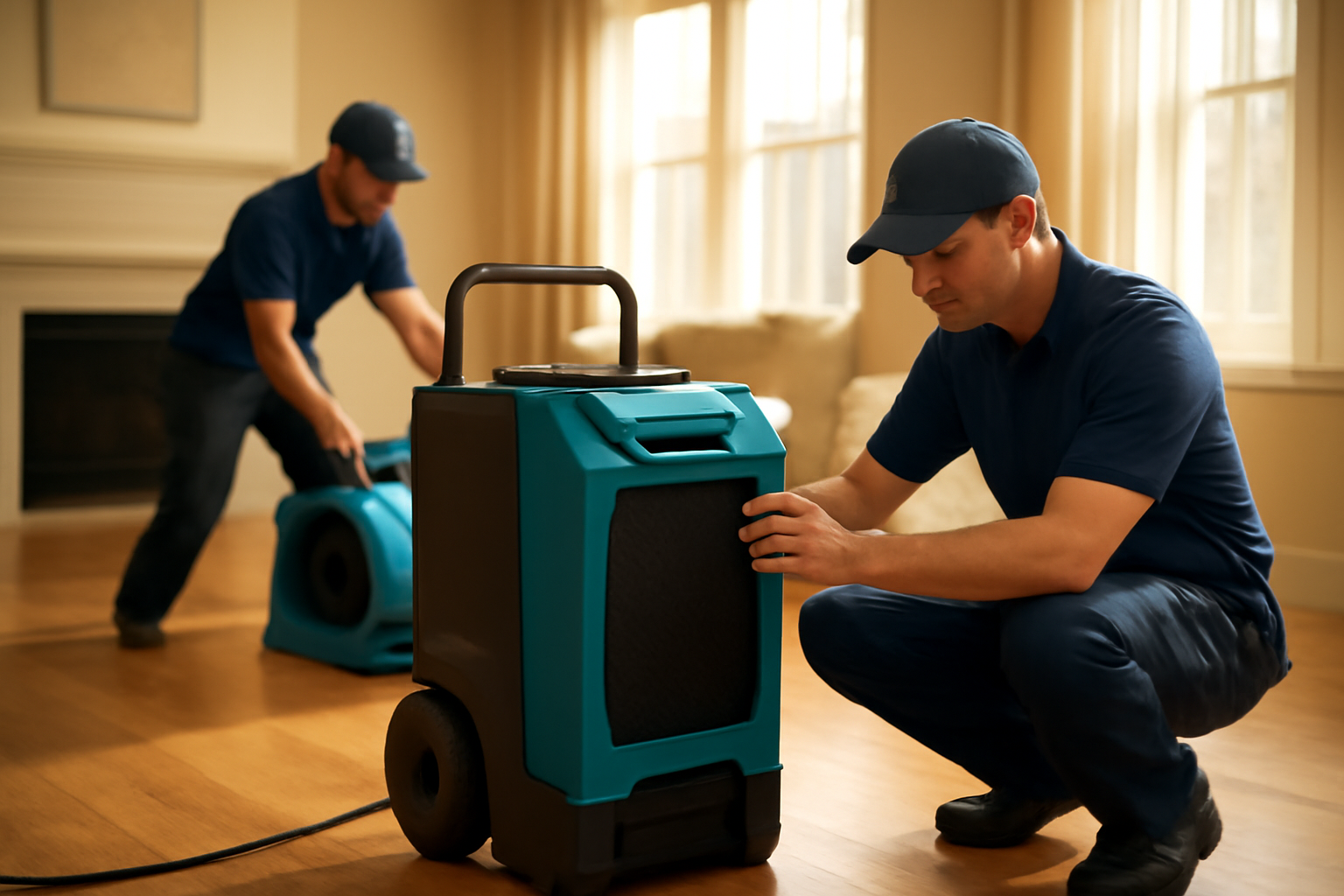
| 5. Drying | Rapidly dry the structure to prevent further damage. | Industrial dehumidifiers, air movers. |
| 6. Mold Remediation (if needed) | Remove any existing mold and treat the area. | Specialized cleaning, air filtration. |
Why DIY Cleanup is Not Recommended
Sewage backups are not a DIY job. The contamination levels are too high, and the risks are too great. Standard household cleaners are not sufficient to kill the bacteria and viruses present. Furthermore, improper cleanup can lead to mold growth, creating a secondary problem. Professionals have specialized equipment like high-efficiency particulate air (HEPA) vacuums and antimicrobial treatments. They also know how to safely dispose of contaminated materials. It’s crucial to do not wait to get help from trained professionals.
The Long-Term Impact of Untreated Sewage Damage
If a sewage backup is not properly remediated, the consequences can be severe. Mold can spread throughout your home, potentially affecting your HVAC system and circulating spores everywhere. Structural damage can occur as materials weaken and rot. The persistent smell can make your home uninhabitable. More importantly, the ongoing exposure to mold and bacteria can lead to chronic health problems for your family. Acting swiftly is key to preventing this. You should act before it gets worse.
Preventing Future Sewage Backups
While not all backups are preventable, certain steps can reduce the risk. Regular maintenance of your plumbing system is essential. This includes having your sewer lines inspected and cleared periodically. Avoid flushing items that shouldn’t go down the drain, like grease, wipes, and feminine hygiene products. Consider installing a backwater valve on your main sewer line. These measures can significantly improve humidity control measures and reduce the chances of a backup.
The Importance of Professional Restoration
When dealing with sewage backups and potential mold growth, professional restoration services are indispensable. They have the expertise to assess the damage accurately. They employ advanced techniques for cleaning, drying, and sanitizing. Their goal is to restore your home to a safe and healthy condition. Choosing professionals ensures the job is done right the first time. This is your best bet to get expert advice today.
Conclusion
Sewage backups are a serious threat to your home and health, and they can indeed lead to mold growth. The moisture and organic material present in sewage create an ideal environment for mold to flourish, often within days. The health risks associated with both sewage contamination and subsequent mold growth are significant. It’s vital to understand that this is not a situation for DIY cleanup. Prompt, professional intervention is required to safely and effectively remediate the damage, prevent mold, and restore your home. If you’re facing a sewage backup situation, remember that the team at Eden Prairie Restoration Pros is here to help guide you through the process safely and efficiently.
Can I clean up sewage backup myself?
We strongly advise against attempting to clean up sewage backup yourself. The water is contaminated with harmful bacteria and pathogens that pose serious health risks. Professional restoration companies have the specialized equipment, protective gear, and knowledge to handle the cleanup safely and effectively, ensuring all contaminants are removed and the area is properly disinfected.
How long does it take for mold to appear after a sewage backup?
Mold can begin to grow within 24 to 48 hours after water damage, including sewage backups, if the conditions are right. The presence of organic material in sewage accelerates this process. Quick action to remove the water and dry the affected areas is crucial to prevent mold from taking hold.
What are the health risks of sewage exposure?
Exposure to sewage can lead to a variety of health problems, including gastrointestinal illnesses, skin infections, and respiratory issues. The bacteria and viruses present are highly infectious. If mold also develops from the backup, it can exacerbate respiratory conditions like asthma and allergies.
How do I know if my home has hidden mold from a sewage backup?
Hidden mold can be identified by a persistent musty odor, especially in areas where water damage occurred. You might also notice unexplained discoloration on walls or ceilings, or experience allergy-like symptoms that seem to worsen indoors. Professional mold inspections can detect mold growth that isn’t visible.
What steps should I take to prevent sewage backups in the future?
Regular plumbing maintenance is key to preventing backups. This includes periodic sewer line inspections and cleanings. Avoid flushing inappropriate items like grease, wipes, and excessive paper products. Installing a backwater valve can also provide an important layer of protection against sewage entering your home.