
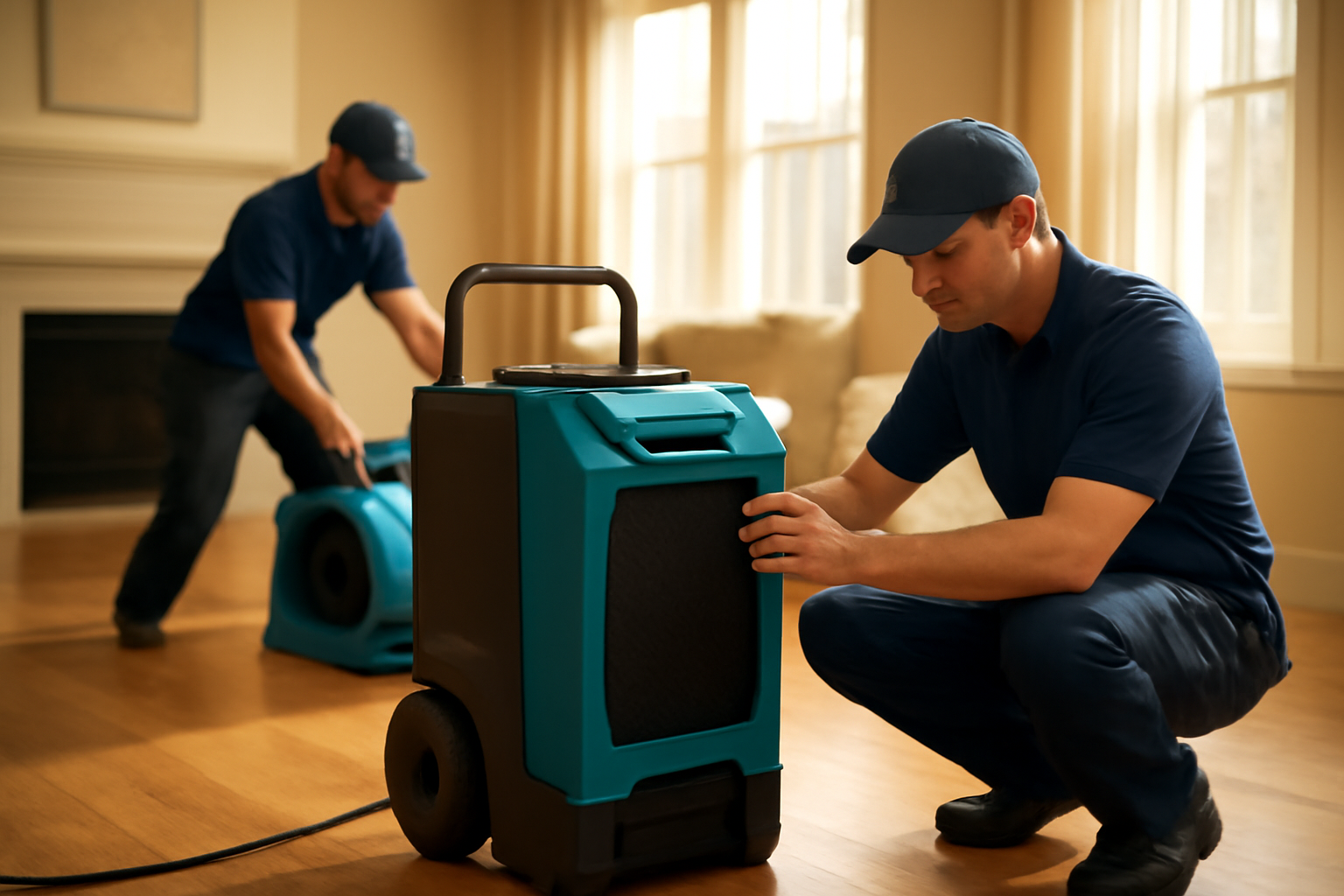
Air Movers Vs Box Fans: Which Dry Faster?
Trusted by 155+ Homeowners
Air movers are significantly more effective than box fans for drying spaces faster.
While box fans can circulate air, air movers are specifically designed to create high-velocity airflow that accelerates evaporation.
TL;DR:
- Air movers are professional-grade tools designed for rapid drying.
- Box fans offer minimal airflow and are not efficient for significant water damage.
- Air movers create focused, high-speed air streams to speed up evaporation.
- Box fans simply move air around, which is less effective for drying.
- For serious water damage, professional equipment is essential.
Air Movers vs Box Fans: Which Dry Faster?
When water damage strikes your home, speed is everything. You want to dry things out as quickly as possible. Many homeowners wonder if a simple box fan can do the job. We found that while a box fan can help a little, air movers are far superior for effective drying. Let’s break down why.
Understanding Airflow and Drying
Drying is all about evaporation. Water needs to turn into vapor and be removed from the air. Airflow plays a huge role in this process. It helps to lift moist air away from surfaces. It also brings drier air in to continue the evaporation cycle.
Think of it like a breezy day versus a still one. On a breezy day, clothes on a line dry much faster. That’s because the moving air whisks away the moisture. Box fans offer some breeze. Air movers, however, create a powerful, focused windstorm.
The Power of Air Movers
Air movers, also known as high-velocity air movers (HVACs), are industrial-strength fans. They are built to move a large volume of air at high speeds. Their design focuses that air into a directed stream. This stream is powerful enough to agitate wet surfaces.
This agitation helps to break the bond between water molecules and the surface. It then pushes the moist air away. This leads to much quicker evaporation than you’d get from a standard fan. Many experts say air movers are a cornerstone of water damage restoration.
Limitations of Box Fans
Box fans are great for circulating air in a room. They can make a stuffy space feel a bit cooler. They can even help dry a small spill on a hard floor over a long time. But they lack the power and focus needed for serious water damage.
Their airflow is generally much lower. It’s also less directed. This means they mostly just move humid air around the room. They don’t create the intense drying conditions needed to prevent deeper issues. Using only box fans for significant water damage can lead to mold growth. It can also cause further structural damage.
When Does Airflow Make the Biggest Difference?
The effectiveness of any drying method depends on several factors. These include the amount of water present. It also depends on the type of materials that are wet. Porous materials like drywall and carpet hold onto moisture.
These materials require more aggressive drying techniques. This is where air movers truly shine. They can force air into cavities and under carpets. This helps to dry out hidden moisture. This is a critical step in preventing secondary damage.
Beyond Airflow: Other Drying Technologies
While air movers are excellent for surface drying, they are often used in conjunction with other equipment. Dehumidifiers are vital. They pull moisture directly out of the air. This creates a drier environment for evaporation to continue efficiently.
We found that industrial dehumidifiers are designed for large-scale water removal. They can extract gallons of water from the air daily. This process is much faster than natural evaporation. To learn more about this, read more about this technology. Combining air movers and dehumidifiers creates a powerful drying system.
Assessing Moisture Levels
How do you know if things are truly dry? This is where specialized tools come in handy. Moisture meters are used to measure the water content in materials. This helps professionals determine the extent of the damage.
It also helps them track the drying process. A simple touch test isn’t enough. You need accurate readings to ensure materials are dry to the core. Understanding what is a moisture meter and how is it used can be very helpful.
The Role of Thermal Imaging
Another advanced tool used in water damage detection is thermal imaging. These cameras can detect temperature differences. Wet materials often have different temperatures than dry ones. This allows for the identification of hidden moisture.
This is an important consideration for thorough water damage assessment. Thermal imaging helps pinpoint areas that might be missed by the naked eye. It’s a key tool for understanding the full scope of the problem before drying begins. This technology is a key related factor in effective restoration.
Dealing with Odors After Water Damage
Water damage often brings unpleasant odors. These can be musty or even sewage-like. Simply masking these smells isn’t enough. The source of the odor needs to be neutralized. Air scrubbers with HEPA filters can help remove airborne particles.
These filters trap mold spores and other contaminants. This improves air quality and helps reduce odors. For tougher odors, more advanced methods are needed. Professionals might use thermal fogging or ozone treatments. You can explore this topic to understand the differences. These methods can neutralize odor-causing molecules.
Mold Remediation Tools
If water damage is not addressed promptly, mold can start to grow. Mold thrives in damp environments. It can spread quickly. Specialized equipment is needed for effective mold removal.
HEPA air scrubbers are among the essential mold removal tools. They capture mold spores from the air, preventing further spread. Proper containment and cleaning are also vital. The goal is to ensure the air scrubber function is maximized.
Comparing Drying Equipment
Let’s put the drying power into perspective. Here’s a look at what different fans offer. It helps to see the clear difference in capability.
| Equipment Type | Airflow (CFM) | Primary Use | Drying Effectiveness |
|---|---|---|---|
| Box Fan | ~2,000 CFM | Air circulation, minor drying | Low |
| Axial Air Mover | ~3,000-5,000+ CFM | Targeted drying, surface agitation | High |
| Centrifugal Air Mover | ~1,500-3,000+ CFM | Drying cavities, high-pressure drying | Very High |
As you can see, air movers offer significantly more airflow. This directly translates to faster drying times. They are part of the professional equipment used in the industry. This advanced drying technology is key.
When to Call the Pros
If you have experienced significant water damage, don’t rely on household fans. The risk of mold growth and structural damage is too high. Professional restoration companies have the right tools and expertise. They can assess the situation accurately.
They will deploy the necessary equipment to dry your home effectively. This includes industrial-grade air movers, dehumidifiers, and moisture meters. They also follow industry best practices to ensure a complete drying process. It’s about restoring your home safely and efficiently. Acting fast is key to minimizing damage.
Your Action Checklist for Water Damage
After discovering water damage, here’s what you should consider doing:
- Safety first: Ensure the area is safe to enter.
- Stop the source: If possible, turn off the water supply.
- Remove standing water: Use buckets or a wet/dry vac.
- Document the damage: Take photos for insurance.
- Contact professionals: Don’t wait to get help.
Conclusion
When it comes to drying your home after water damage, air movers are the clear winners over box fans. Box fans offer basic air circulation, but they lack the power and focus to effectively remove moisture. Air movers, on the other hand, are designed for rapid, targeted drying. They are an essential part of professional water damage restoration. For situations involving more than just a minor spill, relying on these specialized tools is crucial for preventing long-term issues like mold and structural compromise. If your home has suffered water damage, calling a professional right away is the smartest step. Eden Prairie Restoration Pros has the equipment and expertise to get your home dry and safe again.
Can a box fan help at all with water damage?
A box fan can offer minimal assistance by circulating air, which might slightly speed up the drying of a very small, superficial wet spot on a hard surface over an extended period. However, for anything beyond a minor spill, its effectiveness is extremely limited, and it can even worsen issues by spreading moisture and potential contaminants.
How do professionals ensure a home is completely dry?
Professionals use a combination of advanced equipment. This includes industrial air movers, powerful dehumidifiers, and moisture meters. They also often employ thermal imaging cameras. These tools allow them to precisely measure moisture content in materials and track the drying process to ensure all hidden dampness is removed.
What are the risks of not drying a home properly?
Improper drying can lead to several serious problems. These include mold growth, which poses serious health risks. It can also cause structural damage, such as warping wood, peeling paint, and damaged flooring. Furthermore, lingering moisture can lead to persistent musty odors and compromise indoor air quality.
Why are air movers better than regular fans for water damage?
Air movers are engineered to create high-velocity, focused airflow. This powerful stream of air directly contacts wet surfaces, accelerating evaporation significantly. Regular fans, like box fans, have lower airflow and a wider, less concentrated pattern, making them inefficient for serious drying tasks.
When should I consider calling a restoration company?
You should consider calling a restoration company as soon as you discover any significant water intrusion. This includes leaks from plumbing, appliance failures, roof leaks, or flooding. The sooner professionals can begin the drying process, the better the outcome will be, and the less likely secondary damage will occur. It’s always better to act before it gets worse.